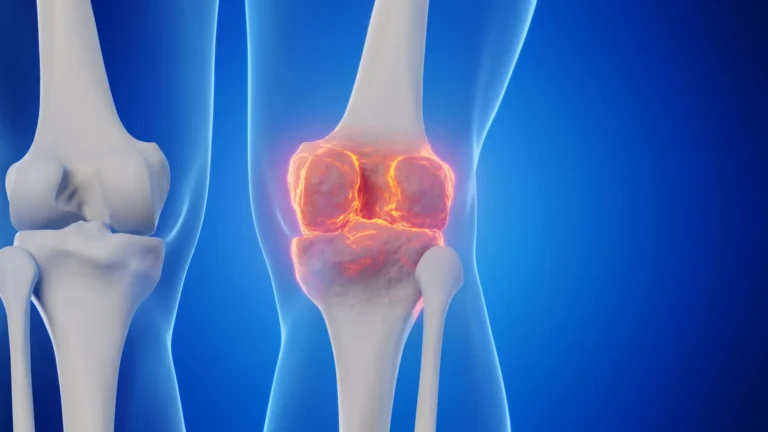
The fitness landscape is undergoing a profound cultural and physiological transformation. For the better part of the last decade, the industry was dominated by a "no pain, no gain" ethos—a paradigm defined by the high-impact intensity of plyometrics, heavy powerlifting, and grueling, high-frequency HIIT (High-Intensity Interval Training). However, as we enter the mid-2020s, a definitive shift is underway. Exercisers across all demographics are pivoting toward low-impact training, prioritizing joint preservation, sustainable recovery, and long-term health over immediate, high-stress performance metrics.
This evolution is not merely a passing trend; it represents a fundamental change in how we define "effective" exercise. By integrating modalities such as swimming, rowing, cycling, and low-impact interval training, fitness professionals are helping clients build robust conditioning while drastically reducing the cumulative wear and tear that often leads to burnout and injury.
Main Facts: The New Standard of Sustainable Movement
At its core, low-impact training is defined by movements that keep at least one foot on the ground or minimize the shock-absorption requirements placed on the skeletal system. Unlike high-impact activities—which involve significant ground-reaction forces—low-impact training focuses on cardiovascular endurance, muscular hypertrophy, and metabolic health without the repetitive concussive impact on the knees, hips, and ankles.
The recent surge in this methodology is supported by a growing body of research suggesting that consistency is the primary driver of health outcomes. According to the American College of Sports Medicine (ACSM), the most effective exercise program is the one a client can actually maintain for a decade, not just a month. By reducing the physical toll on the body, low-impact training facilitates higher frequency and greater adherence, effectively solving the "sustainability paradox" that plagues many high-intensity fitness routines.
Chronology: A Decade of Evolution in Exercise Science
The transition toward low-impact modalities did not happen overnight. To understand the current climate, one must look at the trajectory of the fitness industry over the last ten years:
- 2016–2018: The Peak of High-Impact Intensity. During this period, the industry saw an explosion in "extreme" fitness concepts. Competitive exercise environments and high-impact group classes were the primary revenue drivers for most boutique gyms.
- 2019–2021: The Pandemic-Induced Pivot. The global health crisis forced a re-evaluation of home fitness. With limited equipment and space, many turned to bodyweight movements and low-impact streaming platforms, leading to a massive increase in demand for accessibility and recovery-focused programming.
- 2022–2024: The Recovery Renaissance. Science-based recovery became a buzzword. Wearable technology, such as heart-rate monitors and recovery trackers, provided users with real-time data on their overtraining status, forcing a market-wide recognition that high-intensity training without strategic recovery was detrimental.
- 2025–2026: The Sustainability Era. As evidenced by the latest Fitness Journal (2026, Issue 7), the industry has fully embraced a longevity-first approach. Low-impact training is no longer viewed as a "beginner" option; it is now considered the gold standard for long-term athletic health.
Supporting Data: Evidence-Based Longevity
The shift is backed by rigorous clinical data. A landmark study by Piercy, Troiano, and Ballard (2025), published in Current Sports Medicine Reports, highlights that low-impact physical activity is the most reliable predictor of exercise participation across the lifespan. The researchers noted that participants engaging in low-impact routines reported 40% higher adherence rates over a five-year period compared to those primarily performing high-impact, high-intensity workouts.
Furthermore, the ACSM’s 2025 report on Exercise Programming Trends identifies three primary drivers for this shift:
- Joint Preservation: Reducing the incidence of osteoarthritis and soft-tissue degradation in aging populations.
- Neurological Recovery: Managing the central nervous system (CNS) fatigue that often accompanies extreme high-intensity regimens.
- Inclusivity: Expanding the total addressable market for fitness providers by offering programs that accommodate those with existing injuries or mobility limitations.
Data also indicates that metabolic health—the primary goal for most fitness seekers—can be achieved with equal efficacy through low-impact interval training (LIIT) as it can through traditional HIIT, provided that the intensity of the effort (heart rate zones) is managed correctly.
Official Responses: The Industry Perspective
Fitness professionals and exercise physiologists are overwhelmingly positive about this shift. Dr. Elena Vance, a prominent figure in sports medicine, notes: "For years, we pushed the body to its absolute limit, often ignoring the physiological price tag. Today, we have the tools to track internal load. We know that a steady-state swim or a high-resistance cycling session can provide a massive cardiovascular stimulus without the inflammatory response associated with heavy impact."
Gym owners and trainers are adjusting their business models to reflect this demand. "We aren’t just selling ‘sweat’ anymore," says Marcus Thorne, a master trainer based in Chicago. "We are selling longevity. Clients are asking for workouts that help them feel better after the session, not just during it. By integrating low-impact formats, we are seeing higher retention rates because our clients aren’t constantly sidelined by shin splints or back pain."
The professional community is also focusing on education. Certification programs are increasingly prioritizing biomechanics and joint health, ensuring that trainers understand how to scale intensity through resistance and tempo, rather than solely through speed and impact.
Implications: The Future of Health and Wellness
The move toward low-impact training has profound implications for both the individual and the healthcare system.
The Individual Experience
For the average exerciser, the primary benefit is the elimination of the "all-or-nothing" cycle. By incorporating low-impact days, individuals can train more frequently without entering a state of chronic overtraining. This allows for a more consistent metabolic rate and better hormonal regulation, which is essential for fat loss and muscle maintenance.
The Healthcare System
On a macroeconomic scale, the adoption of sustainable exercise habits could have a significant impact on public health expenditures. Chronic conditions related to sedentary lifestyles—which are often exacerbated by the fear of injury from high-impact exercise—are the leading drivers of healthcare costs. By making exercise more accessible, safe, and sustainable, the fitness industry is positioning itself as a vital partner in preventative medicine.
Technological Integration
The rise of low-impact training is also driving innovation in fitness technology. Smart rowing machines, adaptive resistance bikes, and advanced aquatic training tools are seeing record sales. These devices offer high-fidelity feedback, allowing users to track their power output and cardiovascular strain with precision, proving that low-impact does not mean "low effort."
Conclusion: A More Sustainable Path Forward
The "Longevity Shift" is perhaps the most significant maturation in the history of the modern fitness industry. By moving away from the narrow, often damaging obsession with high-impact intensity, we are creating a culture that values the human body as a long-term asset.
As we look toward the remainder of the decade, it is clear that the most successful fitness programs will be those that balance rigor with recovery. Whether it is a professional athlete using a low-impact cycle for active recovery or a senior citizen utilizing aquatic exercise to maintain mobility, the common denominator is a commitment to sustainable, intelligent movement.
As summarized by the latest Fitness Journal findings, the future of health is not found in how hard we can punish our joints, but in how effectively we can challenge our cardiovascular and muscular systems while keeping the body resilient, mobile, and pain-free for decades to come. The era of the "low-impact revolution" is here, and it is built to last.
References
- American College of Sports Medicine. (2025). Exercise programming trends: Low-impact training and long-term adherence. Indianapolis, IN: American College of Sports Medicine.
- Piercy, K. L., Troiano, R. P., & Ballard, R. M. (2025). Sustainable exercise participation and the role of low-impact physical activity across the lifespan. Current Sports Medicine Reports, 24(4), 126–133.
- Fitness Journal – 2026, Issue 7. (2026). The Shift to Sustainability in Modern Fitness. IDEA Health & Fitness Association.