In the evolving landscape of neuroscience, researchers are increasingly looking beyond the traditional mechanisms of pharmaceuticals to address the growing crisis of cognitive decline. As the world marks Brain Health Awareness Week (March 16-20), a compelling intersection of biology and home design has emerged: the power of the olfactory system to stimulate cognitive function and mitigate the effects of neurodegenerative conditions like Alzheimer’s disease.

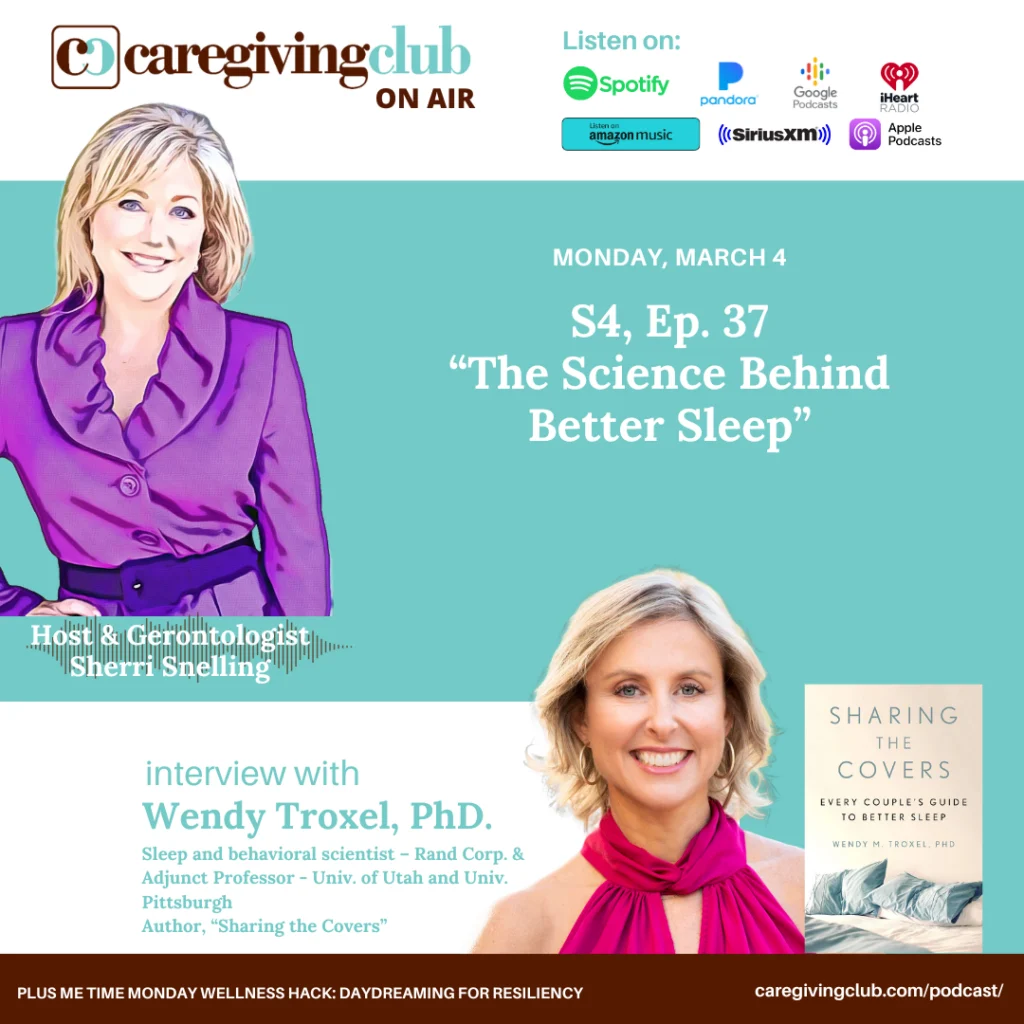
This week’s episode of "Caregiving Club On Air" (Season 6, Episode 66) features a deep dive into this burgeoning field, headlined by Dr. Michael Leon, Professor Emeritus at the University of California, Irvine (UCI). His research suggests that our sense of smell—often the most overlooked of our five senses—may be a primary key to unlocking brain resilience and fostering healthier aging.

The Science of Scent: Understanding the Olfactory Connection
For decades, the scientific community has recognized the brain’s plasticity—the ability to form new neural connections throughout life. However, translating this into actionable, non-invasive therapeutic interventions has proven difficult. Dr. Michael Leon, a pioneer in the study of neurobiology, has spent years investigating how sensory enrichment can serve as a catalyst for brain health.

The olfactory system is unique among the senses. Unlike sight or sound, the olfactory bulb has a direct, high-speed neural pathway to the brain’s memory and emotional centers, specifically the hippocampus and the amygdala. Dr. Leon’s research posits that by consistently and specifically stimulating this pathway, we can effectively "cross-train" the brain.

The 226% Breakthrough
In a landmark study, Dr. Leon and his colleagues discovered that specific, structured scent-training could lead to a staggering 226% increase in memory and cognitive performance in participants. This "olfactory enrichment" appears to reduce the chronic inflammation and oxidative stress that are known hallmarks of Alzheimer’s disease. By flooding the system with targeted, beneficial olfactory inputs, the brain is prompted to maintain neural integrity, essentially slowing the clock on cognitive aging.

Chronology of Innovation: From Lab to Living Room
The journey from clinical research to practical application has been a multi-year endeavor.

- Foundational Research (2010–2020): Dr. Leon’s work at UCI focused on mapping the neural impact of scent. His findings indicated that environmental enrichment could counteract the structural degradation associated with neurological disorders, ranging from autism to Alzheimer’s.
- The Rise of Neurodesign (2021–2024): As the "Well Home" movement gained momentum, researchers began questioning how the physical environment impacts cognitive longevity. This era saw the birth of the concept of "NeuroDesign"—the intentional architectural and sensory configuration of living spaces to support mental health.
- The Launch of Memory Air (2025–Present): Moving beyond the laboratory, Dr. Leon co-created Memory Air, a wellness device designed to integrate therapeutic scent delivery into the domestic environment. The device functions on the principles of circadian rhythm and neural stimulation, offering a seamless way for individuals to engage in scent-based brain health protocols without clinical intervention.
Supporting Data: The Case for Sensory Health
The integration of scent into daily life is not merely a lifestyle trend; it is supported by robust physiological data. According to the "Caregiving Club," of which host Sherri Snelling is a leading voice, sensory health is a cornerstone of the Me Time Monday philosophy.

Why Scent Matters
Research consistently demonstrates that environmental triggers significantly influence our hormonal and neurological states:

- Reduced Inflammation: Certain essential oils and structured scent patterns have been shown to lower systemic oxidative stress.
- Cognitive Preservation: Studies involving both animal models and human cohorts suggest that "olfactory deprivation" is often a precursor to cognitive impairment.
- Sleep Architecture: Improved sleep is vital for clearing metabolic waste (the "glymphatic system") from the brain. Specific scents can help transition the brain into deep, restorative sleep cycles more efficiently.
The "Well Home" Advantage
The "Well Home" movement recognizes that our environment dictates our biology. By controlling the air quality and the sensory inputs of our homes, we can create a "neuro-supportive" environment. Memory Air is currently at the forefront of this movement, utilizing scent-training as a form of "home-based neurorehabilitation."

Official Perspectives and Expert Insight
During the "Caregiving Club On Air" podcast, Dr. Michael Leon articulated the necessity of a holistic approach to Alzheimer’s. "We aren’t just looking for a cure," Dr. Leon explained. "We are looking for a way to maintain the structural and functional integrity of the brain over a lifetime."

Sherri Snelling, a nationally recognized expert on caregiver wellness, emphasizes that for the millions of people in the "Sandwich Generation"—those caring for both aging parents and their own children—small, manageable interventions are the only viable path to long-term sustainability.

"The 7-minute rule is our guiding principle," Snelling notes. "If a caregiver can spend seven minutes a day on intentional brain health—whether it’s scent-training, mindful nutrition via the MIND diet, or a short walk—it creates a compound effect on their resilience."

Implications for the Future of Caregiving
The implications of this research are profound for the millions of families currently navigating the complexities of dementia and age-related cognitive decline.

A Paradigm Shift in Prevention
If scent-training can indeed boost memory performance by over 200%, the focus of public health may shift toward preventative sensory maintenance. Instead of waiting for a diagnosis, individuals in mid-life could incorporate scent-based protocols into their nightly routines, much like brushing one’s teeth.

Empowering the Caregiver
Caregivers often face the highest levels of stress, which is a known risk factor for their own long-term cognitive health. By adopting "Well Home" practices, caregivers can protect their own brain health while simultaneously improving the quality of life for their patients. The "Caregiving Club" has successfully moved these insights into the digital age, launching a dedicated YouTube channel to provide bi-weekly updates on research, resources, and wellness hacks for this vital demographic.

The Role of Technology
As we look toward 2026 and beyond, the integration of smart-home technology with health monitoring will likely become standard. Devices like Memory Air represent the first wave of a new category of home medical equipment that prioritizes the user’s neurological environment.

Conclusion: Taking Action for Brain Health
As we navigate Brain Health Awareness Week, the message is clear: our senses are not just gateways to the world; they are the controls to our cognitive vitality. By combining the rigorous, evidence-based research of scientists like Dr. Michael Leon with the practical, actionable advice offered by platforms like the "Caregiving Club," we are better equipped than ever to confront the challenges of brain aging.

For those looking to take the next step, the resources are abundant. Whether it is through the adoption of the MIND Diet (a hybrid of the Mediterranean and DASH diets), engaging in "Self-Care in 7 Minutes" videos, or exploring the benefits of olfactory enrichment, the tools for a healthier, more resilient brain are within reach.

Key Resources:

- Listen: Catch the full interview with Dr. Michael Leon on "Caregiving Club On Air," Season 6, Episode 66.
- Learn: Explore the "Self-Care in 7 Minutes" video library on the official Caregiving Club YouTube channel.
- Support: Utilize the Elder Care Locator (eldercare.gov) to find resources in your community.
- Read: Pick up Sherri Snelling’s Me Time Monday for a comprehensive guide on integrating the five senses into your daily self-care routine.
In an age where the pace of life often feels overwhelming, remembering to breathe—and to scent that breath with intention—might just be the most important thing we can do for our brains.