Published May 29, 2026
For the uninitiated, walking into a hot yoga studio can feel like stepping into a sanctuary of transformation. For the dedicated practitioner, however, it is a battlefield of sweat, gravity, and the constant struggle to maintain alignment while navigating a slick surface. After 15 years of practice and over a decade of teaching, the conclusion remains clear: your yoga mat is not merely an accessory; it is the fundamental foundation of your practice.
When the mercury rises and the humidity spikes, the wrong mat can turn a meditative flow into a precarious "Slip ’N Slide." Finding the equilibrium between grip, cushioning, durability, and hygiene is the "Holy Grail" of the hot yoga community. In this report, we evaluate the industry’s top contenders to help you decide which surface will best support your journey.
The Anatomy of a Hot Yoga Mat: Key Performance Indicators
To understand why certain mats excel where others fail, one must look at the specific engineering required for heated environments.
1. The Grip-to-Cushioning Paradox
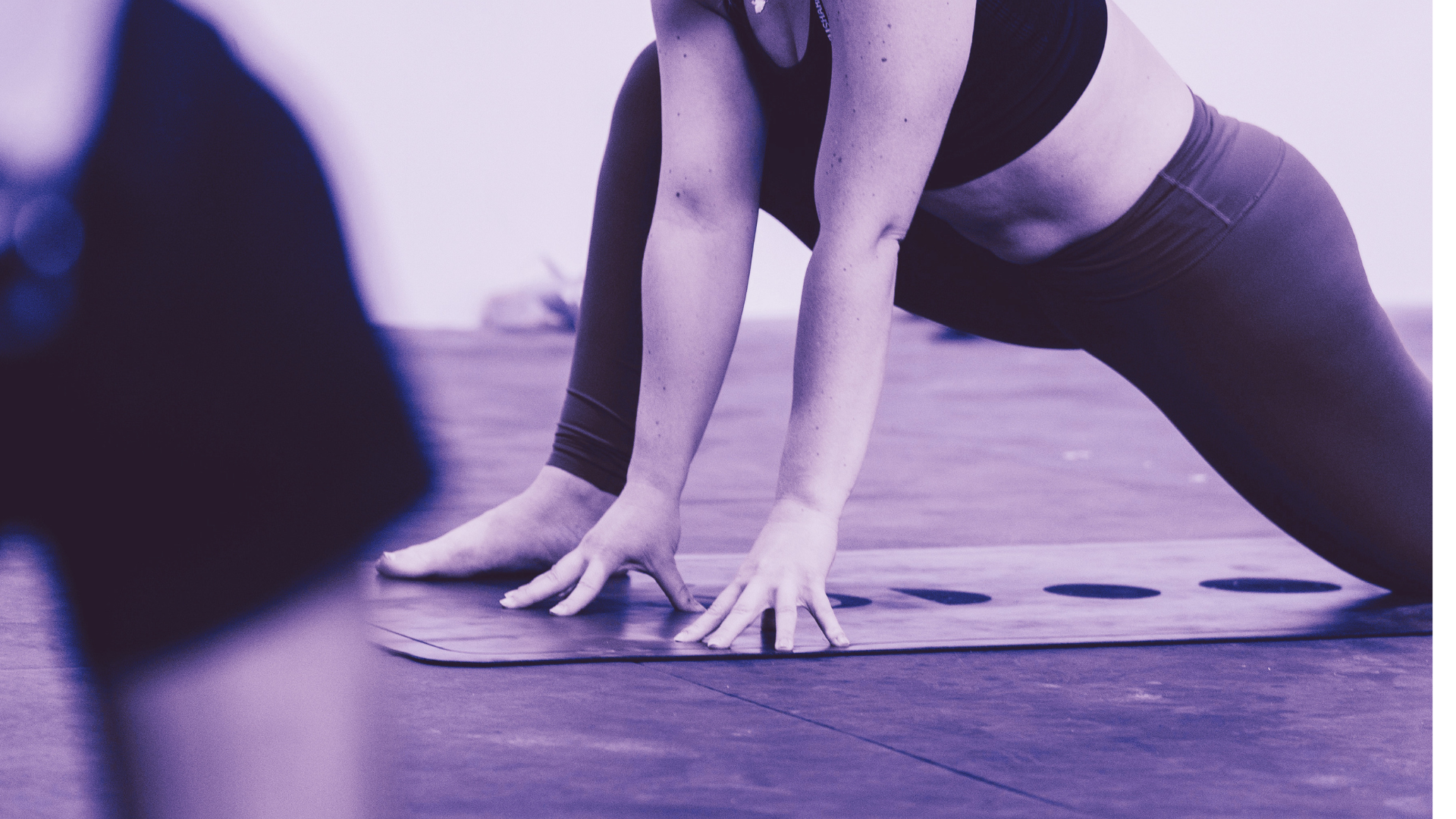
The most frequent complaint among practitioners is the trade-off between comfort and stability. High-cushioning materials—often softer foams—can feel like walking on a cloud, but they often sacrifice the "tackiness" required to keep hands from sliding during Downward Dog. Conversely, ultra-thin mats provide excellent ground connection but can leave joints feeling battered.
2. Moisture Management
In a hot yoga class, you aren’t just sweating; you are creating a liquid layer between your skin and the mat. The best mats are designed to either absorb this moisture into an open-cell structure or wick it away instantly, preventing the formation of a puddle that compromises your stability.
3. Durability and Hygiene
Heated environments accelerate the breakdown of materials. Furthermore, porous mats can become breeding grounds for bacteria if not cleaned properly. Our testing focused on mats that resist degradation and maintain their integrity after months of high-intensity, high-heat exposure.
Chronology of the Testing Process
The insights provided here are the result of a rigorous, multi-year evaluation process.
- 2011–2014 (The Early Years): Initial testing of standard PVC mats, which proved inadequate for high-heat environments.
- 2015–2020 (The Evolution): Transition to natural rubber and PU (polyurethane) blends. Identifying the need for alignment-focused designs.
- 2021–2025 (The Professional Standard): Extensive testing of "next-generation" mats across different studio environments.
- May 2026 (Final Review): Compiled feedback from a decade of teaching, student testimonials, and long-term durability assessments to finalize our top recommendations.
Top Picks: The Best Hot Yoga Mats for 2026
1. The Overall Champion: Yogi Peace Club Deluxe Mat
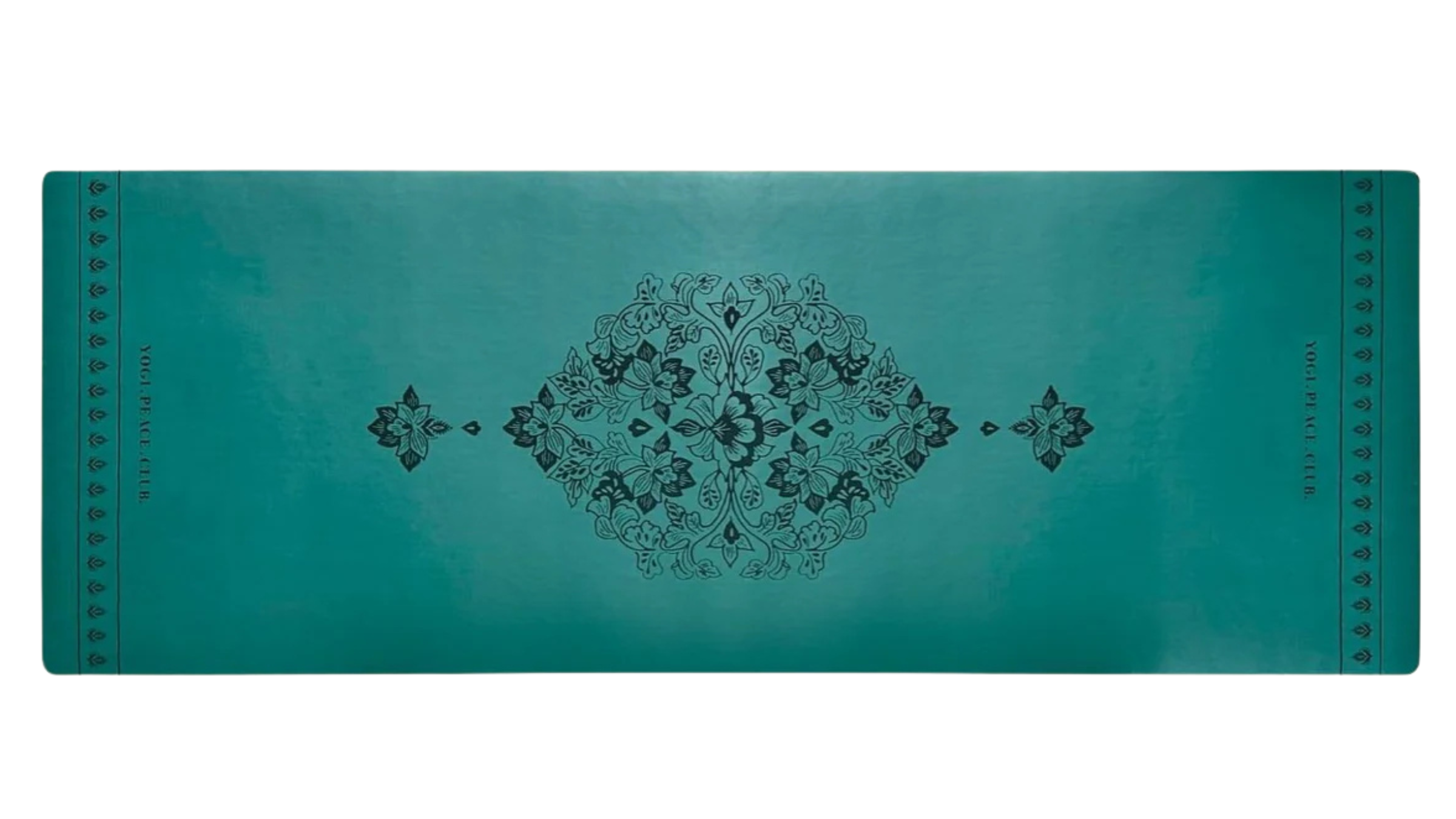
The Yogi Peace Club Deluxe Mat has emerged as the industry gold standard for those who refuse to compromise.
- Material: 100% natural rubber and polyurethane.
- The Experience: Its ability to absorb moisture is immediate. The surface remains "dry to the touch" even during the most grueling sessions.
- Why It Wins: Beyond the grip, it offers dense 5mm cushioning that provides relief for those with chronic pain or joint sensitivity. The laser-engraved alignment lines offer a functional aesthetic that aids in posture.
- Implications: While the Australian-based brand necessitates shipping and potential tariffs for international customers, the investment pays for itself in the longevity and stability provided.
2. The Budget-Conscious Disruptor: Brogi Yoga
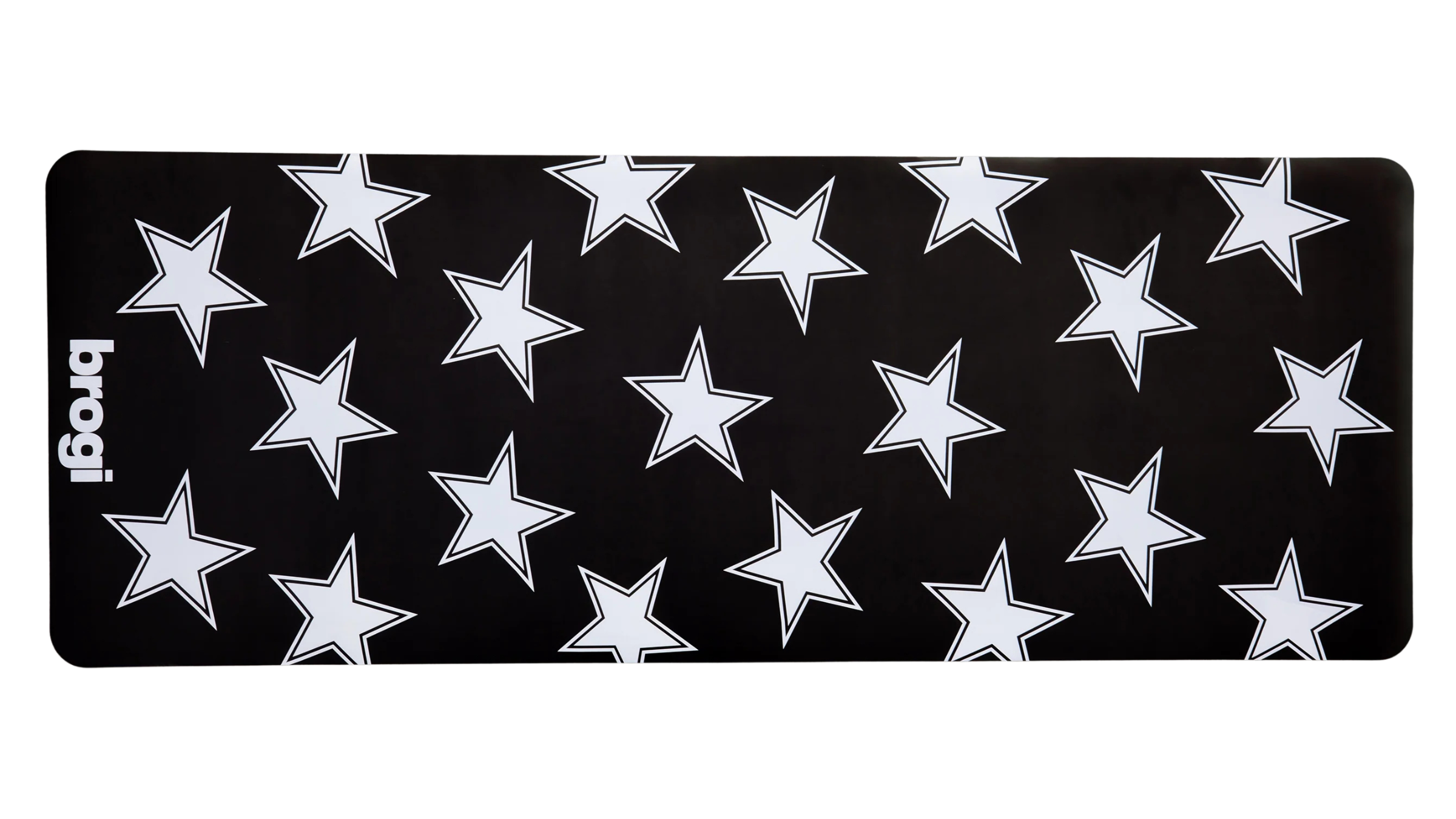
For years, high-performance mats were synonymous with minimalist, neutral tones. Brogi Yoga has successfully challenged this by combining top-tier performance with vibrant, expressive designs.
- The Vibe: From Barbie-pink lightning bolts to bold animal prints, these mats cater to the "extra" yogi.
- Performance: While it handles sweat admirably, those in extreme heat may occasionally require a top towel. However, for the price point—and the option to purchase "imperfect" models for even less—it is an unbeatable value.
- Verdict: This is the ideal mat for the student who wants their equipment to be as energetic as their practice.
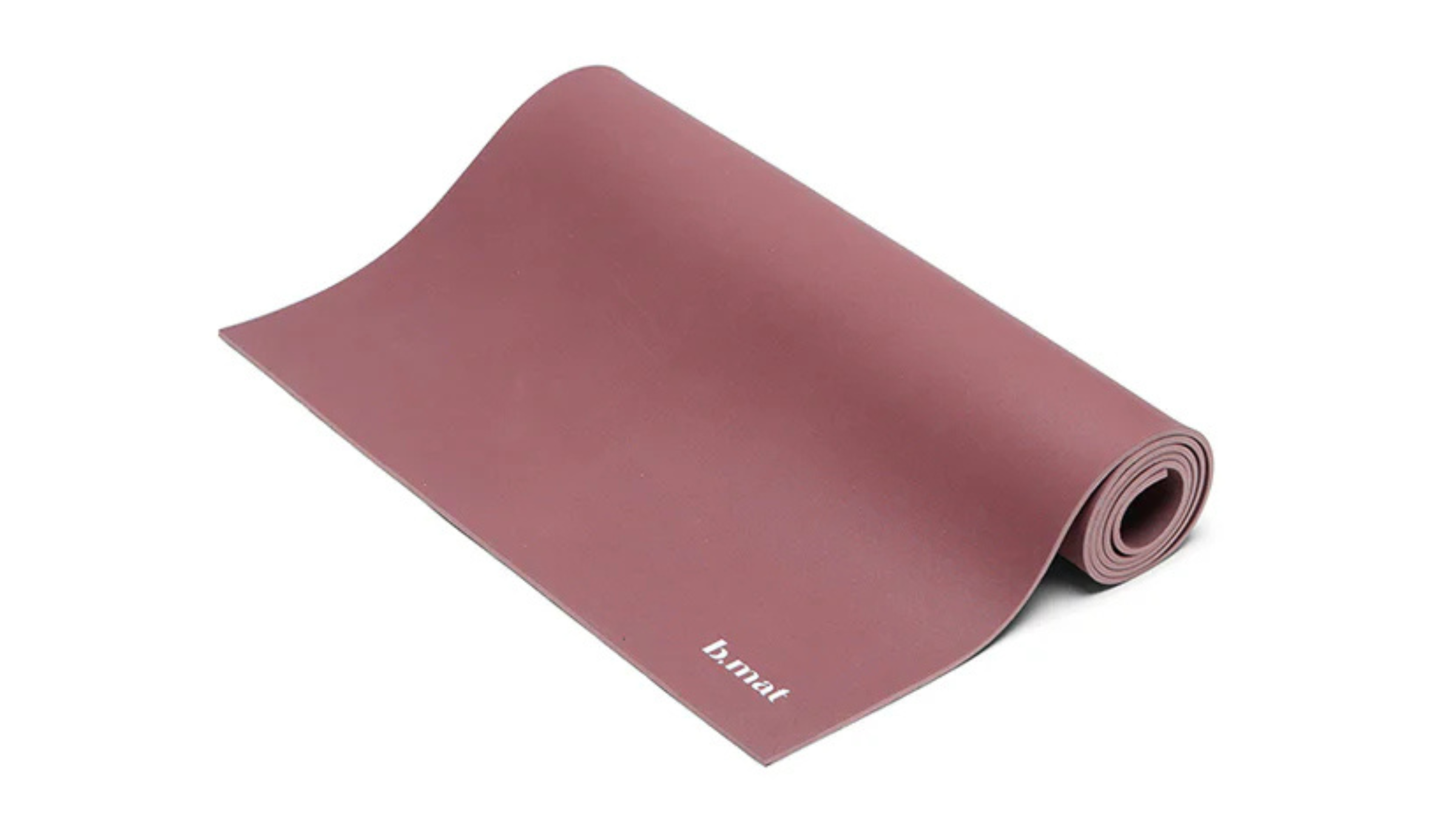
3. The Cushioning Heavyweight: b, Mat Strong (6mm)
If your primary concern is joint support, the b, Mat Strong is unrivaled.
- The Tech: Utilizing a proprietary rubber blend, this mat offers a grip that is almost "too strong" for beginners. It holds fast, ensuring zero movement.
- The Trade-off: Its weight is significant. This is a "home studio" mat. Commuting across the city with this 6mm beast requires dedication and a sturdy bag.
- Maintenance Note: It is a magnet for pet fur, and its textured surface requires a diligent cleaning routine.
4. The Grip Specialist: Liforme Classic Yoga Mat
Liforme has achieved cult status for a reason: the surface chemistry is unparalleled.
- The Grip: The eco-polyurethane surface is, quite simply, the best-feeling material in the industry. It provides a level of confidence in transitions that allows the practitioner to focus entirely on their breath.
- The Reality Check: The "softness" of the surface comes at a cost. Over time, fingernails and heavy usage can cause surface wear. It is a premium product with a shorter lifespan than the b, Mat, but for many, the performance is worth the biannual replacement cost.
5. The Lightweight Contender: Yoga Hustle The Mat
Finding the "Goldilocks" mat—one that isn’t too heavy, isn’t too thin, and isn’t too expensive—is rare. Yoga Hustle has nailed it with their 4.5mm design.
- Key Advantage: It offers a balance of stability and portability. For the urban yogi who travels by foot or bike, this is the most functional choice.
- Customer Sentiment: Reviews consistently highlight the "transformative" nature of the support, particularly for students with arthritis or chronic joint pain.
Supporting Data and Comparative Analysis
| Mat Model | Thickness | Weight | Best For |
|---|---|---|---|
| Yogi Peace Club | 5mm | Mid | Overall Performance |
| Brogi Yoga | 5mm | Mid | Personality/Style |
| b, Mat Strong | 6mm | Heavy | Maximum Cushion |
| Liforme Classic | 4.2mm | Light | Unrivaled Grip |
| Yoga Hustle | 4.5mm | Light | Commuter Comfort |
Official Perspectives and Industry Trends
The shift in the market toward sustainable, non-toxic materials is no longer a trend; it is an expectation. Manufacturers are increasingly moving away from PVC, focusing instead on natural rubber, recycled materials, and bio-based polyurethanes.
"We are seeing a move toward ‘alignment-as-design,’" notes industry consultant Sarah Jenkins. "It’s no longer enough for a mat to just be sticky. Students now demand visual cues built directly into the material to help them maintain physical safety during complex, sweaty flows."
Furthermore, the "perfectly imperfect" category—pioneered by brands like Brogi—reflects a broader movement toward reducing waste in the manufacturing process, allowing consumers to purchase high-quality goods at a discount simply because of cosmetic anomalies.
Implications for Your Practice
Choosing the right mat is an exercise in self-awareness. Ask yourself:
- Do I have joint issues? If yes, gravitate toward the 5mm+ options like the b, Mat or Yogi Peace Club.
- Do I travel to the studio? If you carry your mat daily, the Yoga Hustle or Liforme will save your shoulders.
- Do I prioritize grip above all else? The Liforme Classic is your best investment.
The "best" mat is the one that removes the barrier between you and your practice. When you no longer have to think about your feet slipping or your wrists aching, you are free to explore the deeper, more transformative aspects of your yoga journey. Whether you choose the artistic flair of Brogi or the technical precision of Liforme, ensure that your mat serves your practice, not the other way around.
Disclosure: After years of independent testing, the author has engaged with certain brands for ambassadorships based on the genuine performance outcomes observed in this study.