For decades, serotonin has been understood primarily as the body’s “feel-good” neurotransmitter—a chemical messenger essential for mood regulation, sleep cycles, and digestive health. However, a growing body of medical research initiated in 2023 is challenging this narrow view. Scientists are now uncovering evidence that this same chemical messenger may play a critical, and potentially damaging, role in the structural integrity of the heart’s mitral valve.
This discovery has launched a new frontier in cardiovascular research, suggesting that the delicate balance of serotonin signaling—often modified by common psychiatric medications—may inadvertently accelerate degenerative processes in patients already suffering from heart valve disease.
Main Facts: The Intersection of Neurology and Cardiology
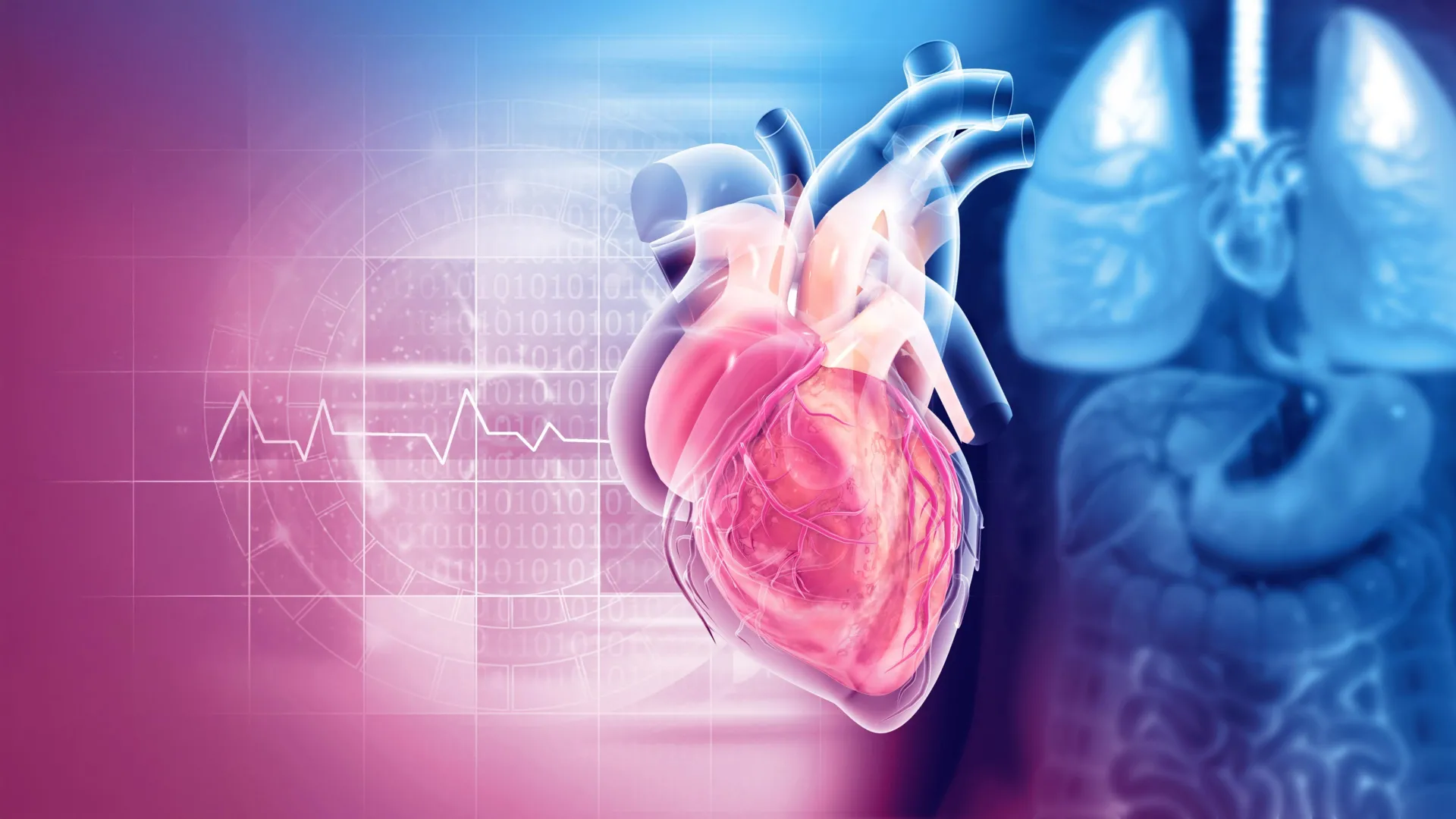
At the heart of this research is the mitral valve, a vital structure situated between the left atrium and the left ventricle. Its primary function is to act as a one-way gate, ensuring that oxygen-rich blood pumped from the lungs flows forward into the body rather than leaking backward.
Degenerative mitral regurgitation (DMR) occurs when this valve tissue weakens. The flaps of the valve may thicken, stretch, or lose their anatomical shape, preventing a tight seal. This condition forces the heart to work harder, eventually leading to exhaustion of the cardiac muscle, atrial fibrillation, and, in severe cases, congestive heart failure.
The groundbreaking research, led by Columbia University’s Department of Surgery in collaboration with the Children’s Hospital of Philadelphia (CHOP) and the University of Pennsylvania, suggests that the serotonin transporter (SERT)—a protein responsible for recycling serotonin—is the key variable. When SERT activity is reduced, serotonin lingers longer in tissues. In the context of a valve already undergoing degeneration, this surplus of serotonin may trigger an overproduction of collagen, causing the valve to thicken and stiffen further.
A Chronology of Discovery: From 2023 to 2026
The exploration of this biological pathway has unfolded rapidly over the last three years:
- 2023: The landmark study published in Science Translational Medicine established the primary link. Led by Dr. Giovanni Ferrari of Columbia and Dr. Robert J. Levy of CHOP, the team analyzed 9,000 patient records and 100 mitral valve biopsies. They found that patients taking Selective Serotonin Reuptake Inhibitors (SSRIs) often required surgical intervention for DMR at a younger age than those not on such medication.
- 2024: Building on the initial findings, researchers confirmed that mice deficient in the SERT gene were more susceptible to fibrosis (scarring) in their cardiac valves. This study identified the HTR2B receptor as a primary driver of this pathological response.
- 2025: The investigation expanded to aortic stenosis—a condition where the aortic valve becomes narrow and stiff. Researchers found that patients with severe aortic stenosis possessed significantly higher serum levels of serotonin, suggesting that the mechanism is not limited to the mitral valve.
- 2026: In February, researchers identified that diseased aortic valves exhibit reduced SERT expression and hyperactive serotonin receptor signaling. Simultaneously, a systematic review and meta-analysis of clinical studies reported a significant association between SERT-modifying drugs and an increased risk of heart valve disease, yielding an odds ratio of 2.76.
Supporting Data: Genetic Vulnerability and Cellular Response
The research team delved deep into the genetic underpinnings of this phenomenon by studying the 5-HTTLPR region of the SERT gene. They discovered that specific genetic variants—specifically the "long-long" variant—result in lower activity of the serotonin transporter.
Laboratory experiments revealed that mitral valve cells carrying this genetic variant were hypersensitive to serotonin, producing excessive collagen when exposed to the chemical. Furthermore, these cells showed an exaggerated response to fluoxetine (Prozac), a common SSRI. This creates a "triple threat" scenario: preexisting valve damage combined with genetic susceptibility and the use of SSRIs may create a perfect storm for rapid tissue remodeling.
However, researchers emphasize a crucial caveat: these effects were not observed in healthy human mitral valves. Dr. Ferrari notes, "A healthy mitral valve can probably stand low SERT activity without deforming. It is unlikely that low SERT can cause degeneration of the mitral valve by itself." The danger appears to be restricted to tissue that is already in a state of compromise.
Official Responses and Clinical Perspectives
The medical community has received these findings with a mix of scientific excitement and clinical caution. While the data provides a compelling biological explanation for disease progression, experts are quick to warn against any unilateral changes to patient care.
"SSRIs are generally safe for most patients," Dr. Ferrari stated in the wake of the 2023 publication. "The findings do not suggest that SSRIs generally damage healthy heart valves, and they certainly do not justify stopping or changing antidepressant treatment without guidance from a prescribing clinician."
Current clinical guidelines for heart valve disease remain anchored in standard diagnostic protocols: imaging, assessment of symptoms, and evaluation of hemodynamic function. Genetic testing for 5-HTTLPR, while theoretically promising as a tool to identify "at-risk" patients, has not yet been validated for routine clinical use. Cardiologists emphasize that until large-scale clinical trials confirm that such testing leads to better patient outcomes, it should not replace established diagnostic standards.
Implications for Future Medicine
The emerging evidence has profound implications for the future of cardiology and precision medicine. If the HTR2B receptor is indeed the primary driver of pathological remodeling, it could serve as a novel drug target. Scientists envision the development of specialized inhibitors that could block this specific fibrotic pathway without interfering with the essential, systemic functions of serotonin in the brain or gut.
Furthermore, the 2026 meta-analysis highlighting an odds ratio of 2.76 serves as a clarion call for more nuanced pharmacological research. As medicine moves toward a more personalized model, the ability to screen patients for genetic vulnerabilities before prescribing specific medications could become a cornerstone of preventative care.
For now, the implications remain largely observational. The research underscores a critical need for:
- Longitudinal Studies: Tracking patients over several years to distinguish between the effects of different antidepressants, dosages, and treatment durations.
- Clinical Trials: Establishing whether monitoring patients with DMR who take SSRIs with more frequent echocardiograms leads to better surgical outcomes.
- Alternative Therapeutics: Investigating whether patients who are genetically predisposed to valve thickening might benefit from switching to non-SSRI antidepressants if their valve condition begins to decline.
Conclusion: A Balanced Approach
The connection between serotonin and heart valve health is one of the most intriguing developments in modern cardiovascular research. While the data suggests that serotonin signaling plays a role in the worsening of degenerative heart disease, it is vital to keep this in perspective. For millions of people, SSRIs remain life-saving medications that manage debilitating mood disorders.
The path forward requires a measured approach. Cardiology and psychiatry must work in tandem to understand the complex interplay between the heart and the brain’s chemical messengers. As scientists continue to untangle these biological pathways, the goal remains clear: to provide care that is as precise as it is effective, ensuring that in the effort to heal the mind, we do not overlook the mechanical needs of the heart.
For patients currently living with degenerative mitral regurgitation, the message is one of vigilance, not alarm. Regular check-ups with a cardiologist remain the most effective tool in managing the condition. As research progresses, the hope is that these new insights will eventually lead to earlier interventions, better diagnostic tools, and perhaps a new generation of therapies that protect the heart’s vital valves from the inside out.