In the quiet landscape of human health, few conditions are as pervasive—and as persistently overlooked—as osteopenia. A condition characterized by the thinning of bone mineral density, osteopenia affects an estimated 40% of the global adult population. While it often lacks the public profile of more "vocal" diseases, its impact is profound: it serves as the precursor to osteoporosis, a condition that results in more than 500,000 fractures annually in the UK alone.
Often described as a "silent" condition because it typically presents without overt symptoms until a bone breaks, osteopenia has reached a critical point of public health concern. As global life expectancy increases, the demographic shift toward an aging population means that more people are living with compromised skeletal integrity, necessitating a move from reactive treatment to proactive, lifelong bone management.
The Biological Foundation: Why Bones Fade
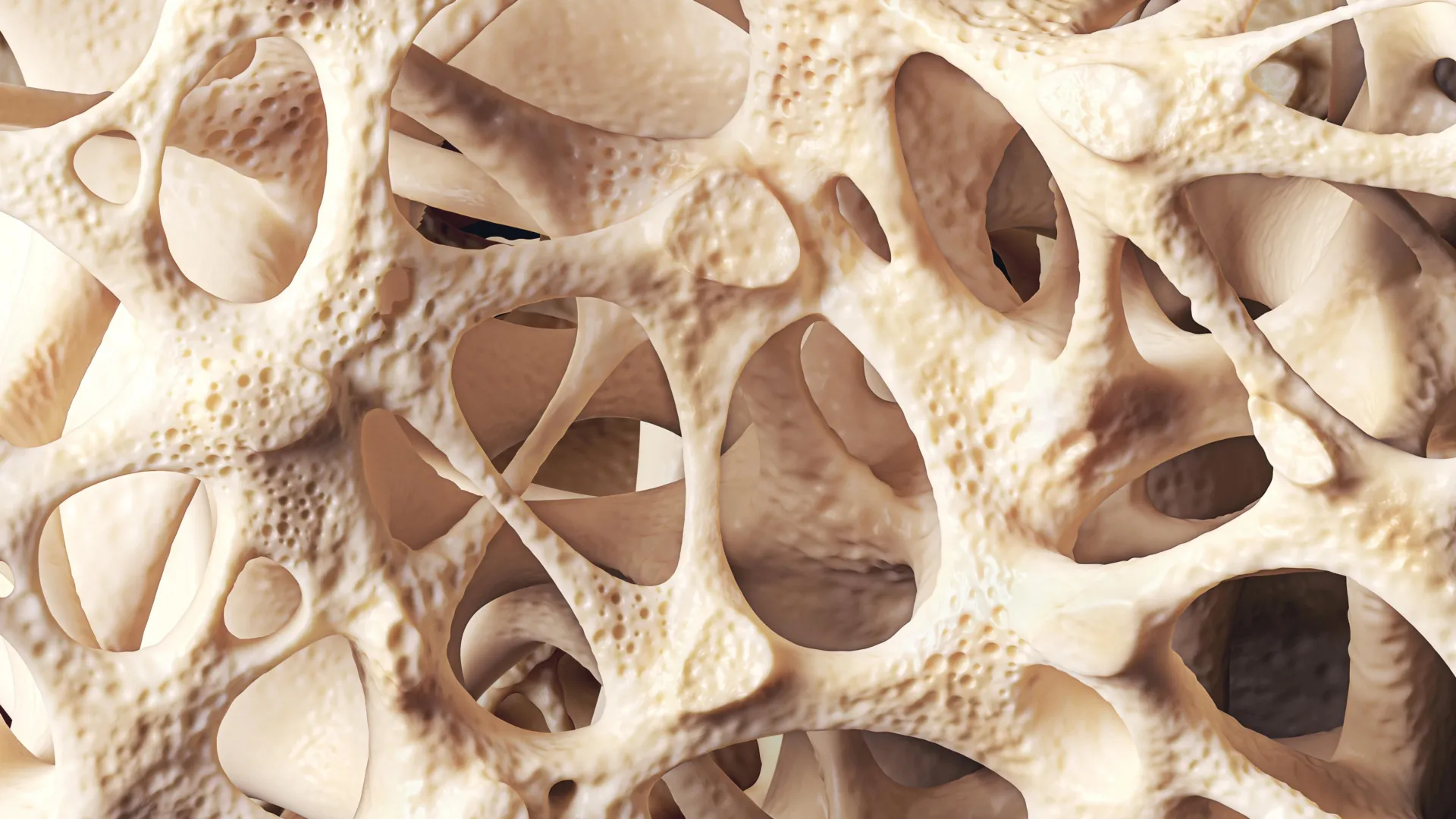
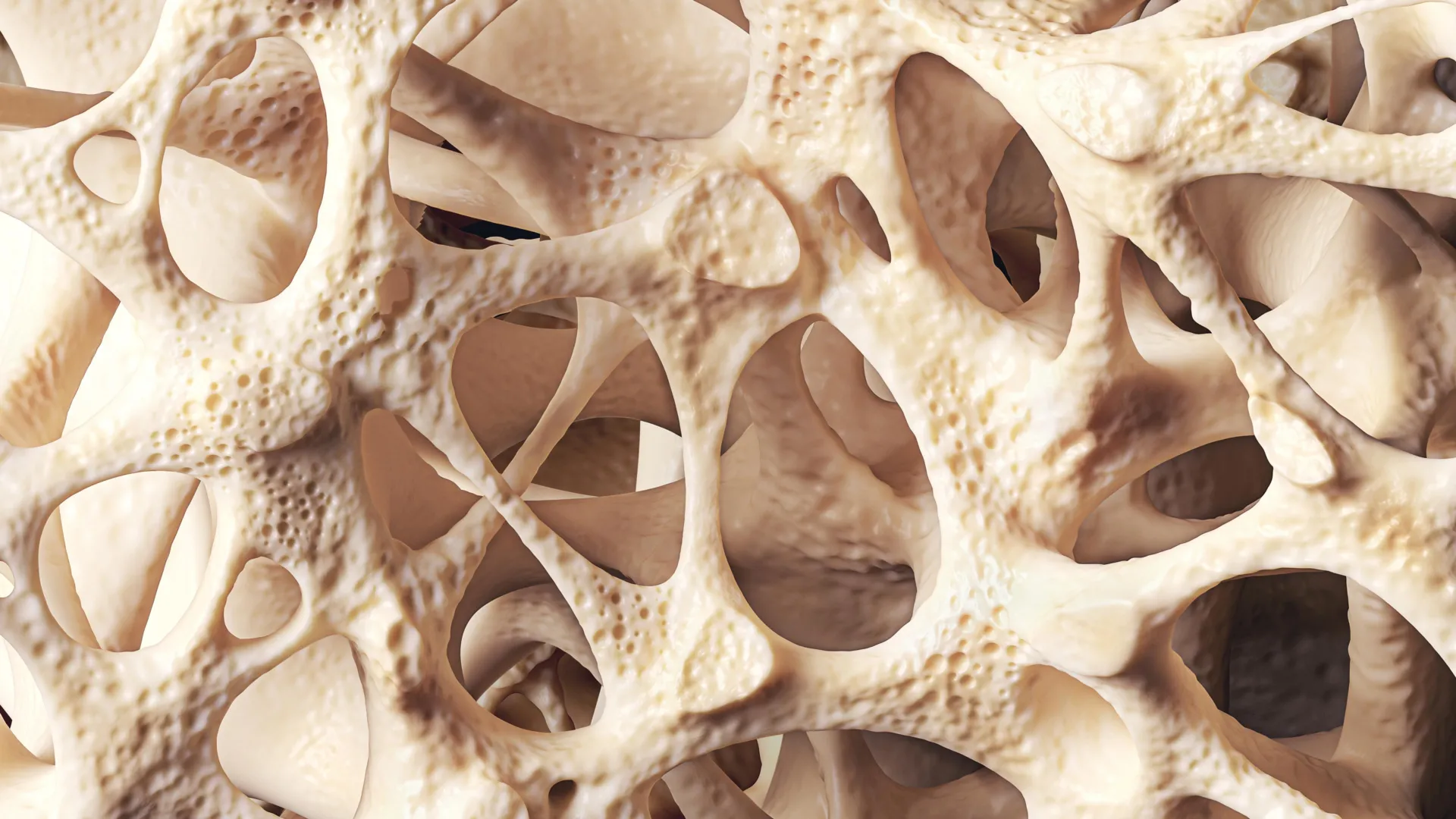
To understand osteopenia, one must first understand the dynamic nature of the human skeleton. Contrary to the common perception of bones as static, inert structures, the skeleton is a living, breathing organ system that undergoes continuous renewal. This process, known as bone remodeling, involves a perfectly calibrated cycle of resorption (the breakdown of old bone tissue) and formation (the creation of new bone).
Throughout our early adulthood—typically reaching a peak between our mid-20s and early 30s—this process is in a state of equilibrium. However, the biological clock eventually shifts. Once peak bone mass is achieved, the natural equilibrium begins to favor resorption over formation. When the rate of this decline becomes significant enough to weaken the structure but has not yet reached the severe threshold of osteoporosis, it is diagnosed as osteopenia.
Chronology of Decline: From Peak Mass to Fragility
The progression toward osteopenia is not a sudden event but a cumulative, decades-long process.
- The Development Phase (Childhood to Age 30): The primary objective during this stage is to maximize "peak bone mass." Nutrition, specifically calcium and vitamin D intake, coupled with physical activity, acts as a savings account for the skeleton. The higher the peak, the better protected an individual is against later decline.
- The Plateau and Subtle Decline (Ages 30 to 50): As the body moves through its fourth and fifth decades, the rate of bone loss usually begins to outpace regeneration. This is often the period where lifestyle factors—sedentary habits, smoking, or poor nutrition—begin to manifest in the structural integrity of the trabecular (spongy) bone.
- The Acceleration Phase (Post-Menopause and Senior Years): For women, the decline is often accelerated by the sharp drop in estrogen levels associated with menopause. Estrogen plays a critical protective role by inhibiting the cells that break down bone. When these levels fall, the protective shield is effectively removed, leading to a marked increase in the risk of fragility fractures. In this demographic, nearly one in two women over 50 will experience such a fracture during their lifetime.
Supporting Data: The Scope of the Crisis
The statistics surrounding bone density loss provide a sobering look at a hidden crisis. Beyond the 40% prevalence rate, the economic and personal costs are staggering.
Healthcare systems worldwide are grappling with the burden of fragility fractures, which often lead to loss of mobility, chronic pain, and a decrease in independent living. The medical community relies on the Dual-energy X-ray Absorptiometry (DXA) scan to quantify this risk. The results are mapped onto a T-score:
- 0 to -1.0: Normal bone density.
- -1.0 to -2.5: Osteopenia.
- Below -2.5: Osteoporosis.
This T-score acts as a vital compass, guiding clinical decisions. However, relying solely on a score is increasingly seen as insufficient. Clinicians are now adopting tools like the Fracture Risk Assessment (FRAX), which combines the T-score with individual risk factors—such as a history of long-term steroid use, rheumatoid arthritis, or parental history of hip fractures—to calculate a patient’s ten-year probability of suffering a life-altering break.
Modifiable Risks and Lifestyle Interventions
While age is the primary non-modifiable risk factor, the "silent" nature of osteopenia provides a unique opportunity for intervention. Much of the decline in bone health is linked to modifiable lifestyle choices that, if addressed early, can stall or even reverse the trend.
The Role of Nutrition
Calcium is the structural bedrock of the skeleton, but it cannot be utilized without Vitamin D. In regions like the UK, where sunlight exposure is limited for much of the year, Vitamin D deficiency is rampant. Dietary fortification and strategic supplementation are often the first line of defense for individuals showing signs of thinning bones.
The Power of Movement
The skeleton is a "use-it-or-lose-it" system. Bones respond to mechanical stress by becoming denser.
- Weight-Bearing Exercises: Activities such as brisk walking, dancing, and jogging create the necessary impact to stimulate bone formation.
- Resistance Training: Lifting weights or using resistance bands directly strengthens the muscles that support the skeletal frame.
- Balance and Coordination: Exercises like Tai Chi have gained clinical support, not just for their bone-strengthening properties, but for their ability to improve balance, thereby preventing the falls that lead to fractures in the first place.
Official Perspectives and Medical Management
The medical consensus has shifted significantly over the past decade. Where osteopenia was once considered a "wait-and-see" condition, it is now viewed as a critical window of opportunity.
"Osteopenia should not be viewed merely as a mild or early form of osteoporosis, but rather as a vital warning sign and a distinct point of clinical intervention," note experts in bone health. If a patient is flagged as high-risk through a fracture assessment, physicians may introduce pharmacological support.
Antiresorptive drugs, which are typically associated with osteoporosis treatment, are increasingly being prescribed to high-risk osteopenia patients to slow the breakdown process. However, medication is never a standalone cure; it is designed to work in tandem with the lifestyle adjustments mentioned previously.
Implications: The Long-Term Perspective
The future of bone health management lies in a "life-course approach." We must stop viewing bone density as a problem that begins at age 60 and start viewing it as a project that begins in our youth and continues until our final years.
The implications of failing to address osteopenia are clear: a diminished quality of life for millions, increased strain on social care systems, and a preventable epidemic of fractures. Conversely, by prioritizing early detection, embracing nutritional vigilance, and maintaining a commitment to regular physical activity, the progression from osteopenia to osteoporosis is far from inevitable.
In many cases, consistent intervention has shown that bone density can be stabilized and, in some instances, improved. The journey to strong bones is not a sprint; it is a marathon of small, daily habits. As our global population ages, recognizing osteopenia as a serious, manageable, and preventable condition is perhaps the most effective strategy we have to ensure that the later years of life remain mobile, active, and free from the trauma of the "silent" fracture.
By shifting the cultural narrative around bone health—from inevitable decay to active maintenance—we can empower individuals to protect their skeletal foundations for the decades to come. The message is clear: your bones are a lifelong investment; the time to start protecting them is not when they break, but today.