






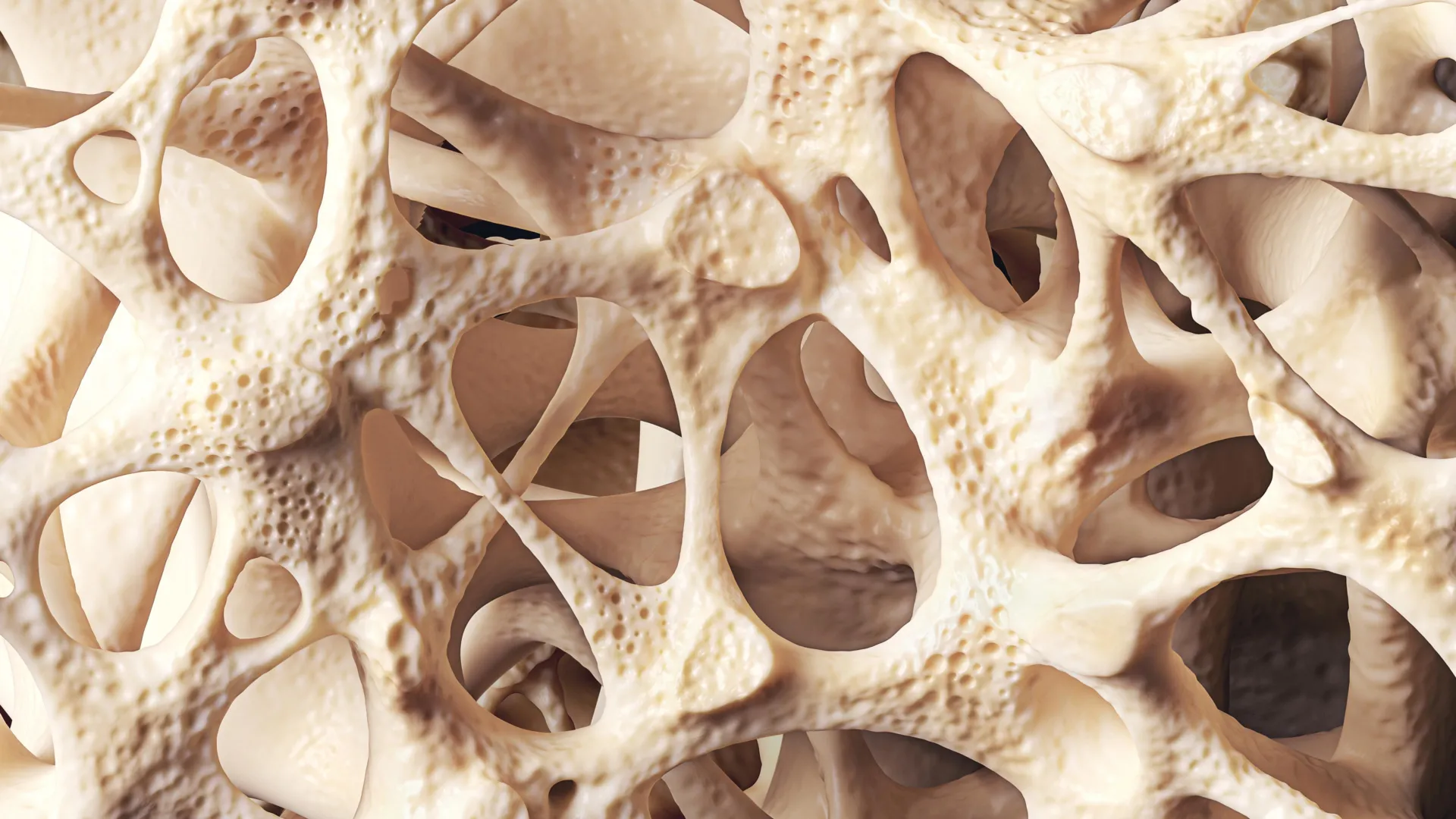
Around 40% of adults worldwide are affected by osteopenia, a condition characterized by a loss of bone mineral density that sits in the precarious middle ground between healthy bone mass and the fragility of osteoporosis. Often described as a "silent" health crisis, osteopenia frequently goes unnoticed until a sudden fracture or a routine diagnostic scan reveals the extent of the damage. As global populations age, the public health burden of low bone density is reaching critical levels, with more than 500,000 fractures occurring annually in the UK alone.
The Physiology of Bone: A Dynamic Balancing Act
To understand osteopenia, one must first understand the biological reality of our skeleton. Contrary to the perception of bone as a static, inert structure, it is a highly dynamic, living tissue that undergoes constant renewal through a process known as bone remodeling.
Throughout our lives, the body engages in a sophisticated cycle of bone resorption—where specialized cells called osteoclasts break down old bone tissue—and bone formation—where osteoblasts deposit new mineralized matrix. In early adulthood, this process is meticulously balanced. Bone mass typically reaches its "peak" somewhere between the mid-20s and early 30s. This peak bone mass is the most critical determinant of future skeletal health; the higher the density achieved during these years, the more "capital" the body has to draw upon as it ages.
However, once we move past this physiological pinnacle, the balance shifts. Gradually, the rate of bone resorption begins to exceed the rate of new bone formation. While this is a natural consequence of the aging process, the speed at which this loss occurs varies wildly based on genetics, hormonal health, and lifestyle choices.
Chronology of Decline: From Peak Density to Fracture Risk
The progression toward osteopenia is rarely a sudden event; it is a gradual erosion of structural integrity.
- The Building Years (Childhood to Age 30): During this phase, the primary focus is the accumulation of mineral density. Nutrition—specifically calcium and vitamin D intake—coupled with weight-bearing exercise, is paramount.
- The Plateau (Ages 30–50): For most individuals, bone density remains relatively stable during this period, provided there are no underlying medical conditions or significant lifestyle stressors.
- The Shift (Perimenopause and Beyond): This is the most dangerous window for many, particularly women. The decline in estrogen levels associated with menopause removes a vital "brake" on bone resorption. Estrogen is naturally protective, inhibiting the cells that break down bone. When these levels plummet, bone turnover accelerates rapidly.
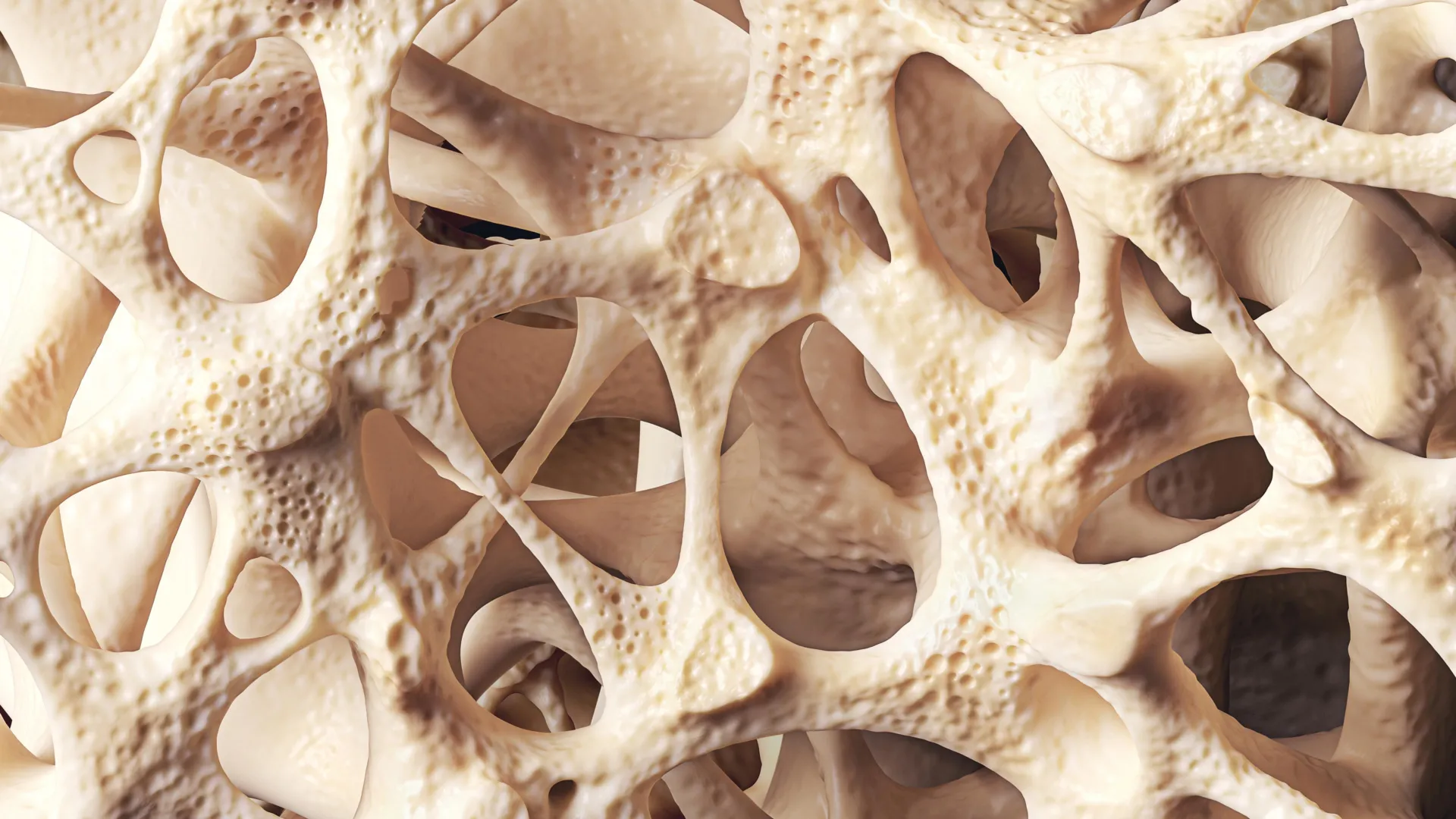
- The Threshold (Age 50+): At this stage, many individuals cross the threshold into osteopenia. Without intervention, this decline can lead to osteoporosis, where the structural honeycombs within the bone become so porous that they can no longer withstand the mechanical stress of daily movement.
Supporting Data: Why This Is a Public Health Priority
The statistics surrounding osteopenia are stark. Epidemiological data confirms that approximately 40% of the adult population currently lives with reduced bone density. The societal cost is immense, manifesting in increased hospitalizations, long-term disability, and a diminished quality of life for the elderly.
Perhaps most concerning is the vulnerability of women. Research published in JAMA Internal Medicine suggests that one in two women over the age of 50 will experience a fragility fracture in their lifetime. These are not merely "falls"; they are fractures that occur due to structural failure of the bone, often from a standing height or even simpler movements.
Furthermore, the diagnostic landscape is defined by the DXA (dual-energy X-ray absorptiometry) scan. This low-dose X-ray measures bone mineral density and assigns a T-score. A T-score between -1.0 and -2.5 indicates osteopenia, while a score below -2.5 is the clinical threshold for osteoporosis. These numbers serve as the primary roadmap for clinicians to assess whether a patient needs aggressive pharmaceutical intervention or can manage the condition through lifestyle modifications.
Factors That Accelerate Bone Loss
While aging is the primary driver of osteopenia, several "modifiable" and "non-modifiable" factors can accelerate the process:
- Hormonal Imbalances: Beyond menopause, conditions affecting thyroid or parathyroid hormones can disrupt the delicate remodeling cycle.
- Nutritional Deficiencies: Calcium is the primary building block of bone, but it cannot be absorbed without adequate Vitamin D. In regions like the UK, where sunlight exposure is limited for much of the year, deficiency is rampant, necessitating supplementation.
- Chronic Inflammation and Disease: Conditions such as Crohn’s disease or coeliac disease impair the body’s ability to absorb vital nutrients, effectively "starving" the skeleton of the materials it needs to repair itself.
- Pharmaceutical Interventions: Long-term use of corticosteroids—often prescribed for asthma or autoimmune conditions—is a well-documented risk factor that significantly suppresses bone formation.
- Lifestyle Choices: The "triple threat" of smoking, excessive alcohol consumption, and physical inactivity creates a perfect storm for bone loss. Smoking is toxic to osteoblasts, while inactivity deprives bones of the mechanical load necessary to stimulate growth.
Managing the Condition: A Multi-Pronged Approach
The narrative around osteopenia is shifting from one of resignation to one of proactive management. It is no longer viewed as an inevitable part of aging, but as a window of opportunity.
The Role of Physical Activity
Movement is medicine for the skeleton. Weight-bearing exercises—walking, dancing, and jogging—force the bones to work against gravity, triggering a biological response that increases bone density. Resistance training is equally vital, as it builds the muscular "scaffolding" that supports the skeleton, improving balance and coordination. The latter is critical; preventing the fall is as important as preventing the fracture. Emerging research into practices like Tai Chi has shown that these low-impact movements significantly improve stability in older adults.
Nutritional Foundations
A bone-healthy diet is foundational. Dairy, leafy greens, and fortified foods provide the necessary calcium, but clinicians emphasize that diet alone is often insufficient for those already showing signs of bone loss. In such cases, standardized supplementation under medical supervision is the gold standard.
Pharmaceutical Considerations
Not every patient with osteopenia requires medication. However, for those with high fracture risk—determined by tools that analyze age, family history, and T-scores—drugs like bisphosphonates are available. These antiresorptive medications act by slowing down the osteoclasts, effectively preserving existing bone mass. While once reserved exclusively for osteoporosis, current medical guidelines are increasingly considering their use in high-risk osteopenia patients to prevent the condition from ever reaching the advanced stage.
Implications for the Future
The implications of the current osteopenia crisis are clear: we must move toward a model of preventative skeletal health. Relying on fracture-based diagnosis is a failing strategy. By the time a patient presents with a broken hip or wrist, the damage to their independence and long-term health is already done.
Early detection via DXA screening, combined with a lifespan approach to nutrition and physical activity, can turn the tide. Evidence suggests that for many, osteopenia is reversible or, at the very least, highly manageable. By viewing osteopenia as a "warning sign" rather than a diagnosis of decline, patients and healthcare providers can intervene early to preserve the structural integrity of the human frame.
The goal for public health in the coming decade is to de-stigmatize the conversation around bone health. Whether it is through national campaigns for vitamin D supplementation or community-based exercise programs for the elderly, the message remains the same: our bones are a lifelong investment. The habits we adopt in our 30s, 40s, and 50s are the bedrock of our mobility and autonomy in our 80s and beyond. The silent epidemic can be silenced—not by waiting for a break, but by building strength today.