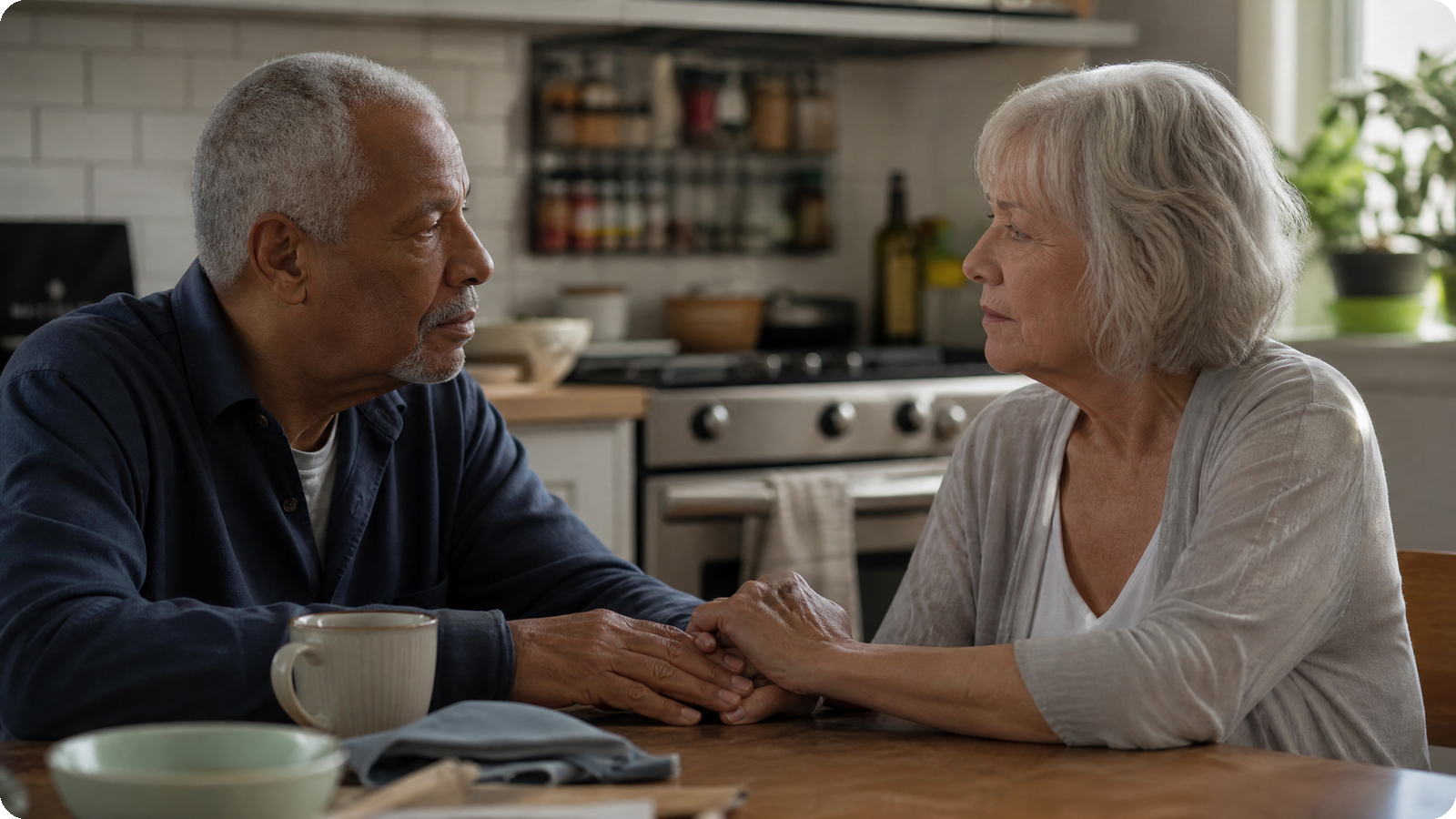
In the traditional narrative of aging, the seventh decade of life is often portrayed as a period of quiet reflection, a time when the "cement has dried" on one’s personality and relationships. For years, even within the clinical community, a pervasive myth suggested that individuals over 70 were too rigid or "set in their ways" to benefit from the transformative work of psychotherapy. However, a new movement in geriatric mental health and relationship counseling is dismantling these stereotypes, proving that the desire for emotional growth, intimacy, and conflict resolution does not have an expiration date.
As life expectancy increases and the stigma surrounding mental health fades, a growing number of septuagenarians and octogenarians are entering therapy—not to dismantle their long-term marriages, but to repair and enrich them. This "Silver Repair" movement highlights a fundamental truth: as long as there is life, there is a capacity for change.
Main Facts: The Evolving Landscape of Later-Life Counseling
Couples therapy for those aged 70 and older is no longer a rarity. While some clinicians historically shied away from this demographic, citing decades of "unresolved baggage," modern practitioners are finding that older couples often possess a unique "urgency of purpose" that younger couples may lack.
According to Mary Kay Cocharo, a Licensed Marriage and Family Therapist (LMFT) specializing in relationship repair, the motivation for older couples is often rooted in a conscious realization of the finitude of time. "The couples who reach out in their seventies are not giving up; they are leaning in," Cocharo observes. These couples often come to the table after 30, 40, or even 50 years of partnership, seeking to resolve "repeat arguments" that have spanned decades or to navigate the jarring transitions of the "Golden Years."
The primary drivers for seeking therapy at this stage include:
- The "Silver Divorce" Prevention: With divorce rates rising among those over 50, many couples seek therapy as a proactive measure to ensure their final decades are spent in harmony rather than resentment.
- Transition Management: Retirement and the "empty nest" (which now often includes managing relationships with adult children) create a vacuum of structure that can expose underlying marital fractures.
- The Longing for Connection: Contrary to ageist assumptions, the human need to be seen, heard, and valued remains constant. Older adults are increasingly unwilling to settle for "parallel lives" and are instead demanding deeper emotional intimacy.
Chronology: The Lifecycle of a Long-Term Marriage
To understand why therapy is effective after 70, one must look at the chronological evolution of the long-term partnership. Most couples entering therapy in their later years are navigating the culmination of several distinct stages:
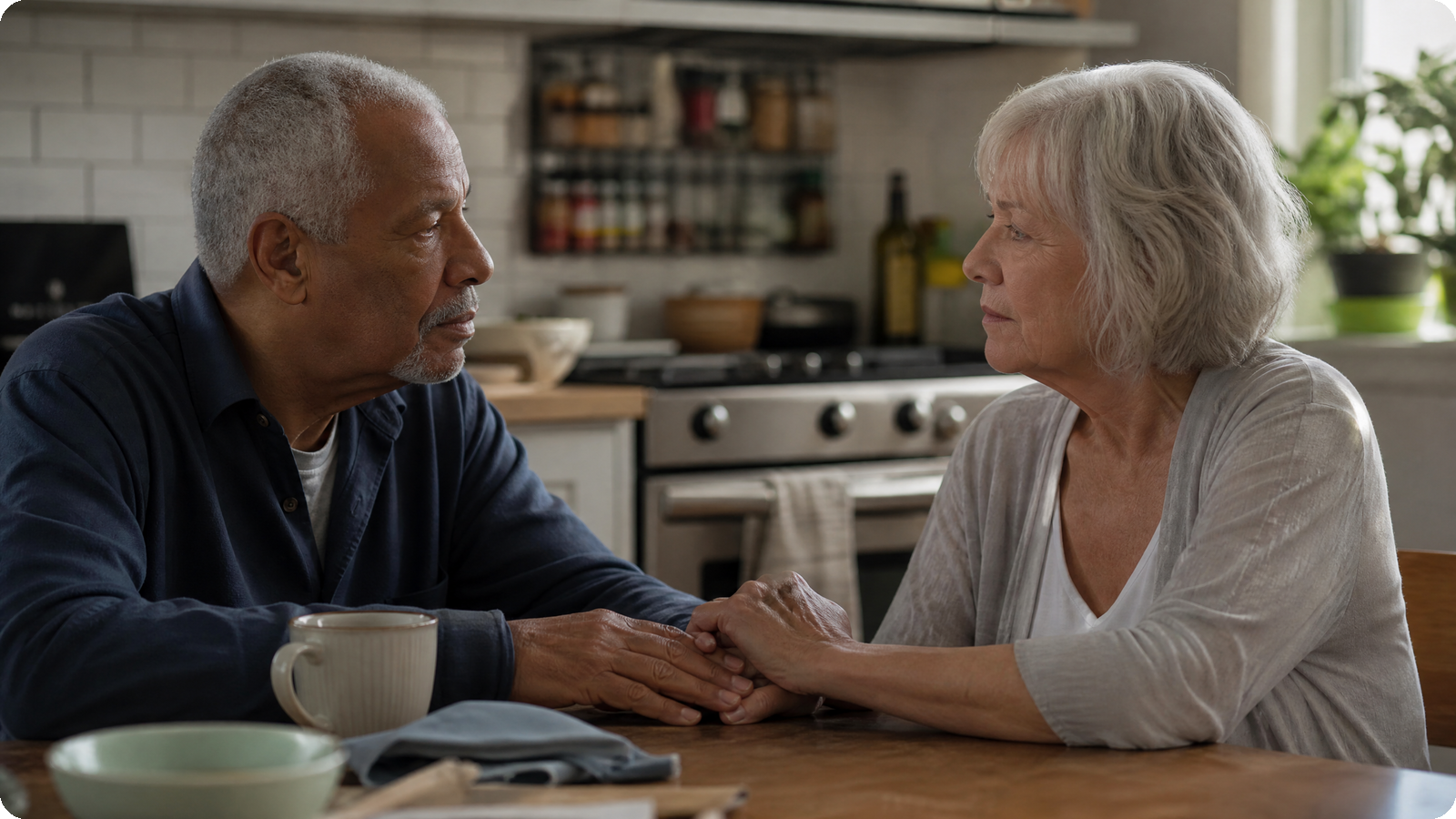
- The Accumulation Phase (Years 1–30): During these decades, couples are often distracted by career building, mortgage payments, and child-rearing. Conflict is frequently "tabled" or suppressed in favor of daily survival and logistical management.
- The Calcification Phase (Years 30–50): Without active intervention, maladaptive communication patterns—such as the "pursuer-withdrawer" dynamic—become deeply ingrained. One partner may habitually shut down while the other becomes increasingly critical.
- The Crisis of Stillness (Age 65+): Retirement removes the "buffer" of the workplace. Suddenly, partners who spent eight to ten hours a day apart are faced with constant proximity. This is often the catalyst for therapy; the old coping mechanisms (distraction, workaholism) no longer function.
- The Integration Phase (The Therapy Goal): This is where couples therapy after 70 intervenes. It seeks to take the decades of shared history and "re-author" the story, moving from a narrative of endurance to one of intentional connection.
Supporting Data: Health, Longevity, and the Cost of Loneliness
The importance of relationship quality in later life is supported by a robust body of clinical research. The National Institute of Mental Health (NIMH) has long noted that significant life changes in older age—including chronic illness and the loss of peers—can profoundly impact mental health. When a marriage is strained, these external stressors are magnified.
The Loneliness Epidemic
A report by the National Academies, available through the NCBI Bookshelf, identifies social isolation and loneliness as major health risks for older adults, comparable to smoking or obesity. While a spouse is present, "emotional loneliness" within a marriage can be just as damaging as physical isolation. Couples therapy serves as a critical intervention to convert a "lonely marriage" into a supportive alliance, which in turn improves physical health outcomes.
Sexual Health and Aging
Research on sexual aging published in various medical journals (such as those indexed in PubMed) challenges the myth of the "sexless senior." While physical expressions of intimacy may change due to medication, mobility issues, or hormonal shifts, the desire for touch and tenderness remains. Studies indicate that couples who maintain emotional safety are more likely to adapt their physical intimacy to their changing bodies, leading to higher overall life satisfaction.
The Caregiving Strain
Data suggests that as one partner inevitably takes on a caregiving role due to the other’s health decline, the risk of "caregiver burnout" and relational resentment skyrockets. Therapy provides a structured environment to navigate these role shifts, ensuring that the "patient-caregiver" dynamic does not entirely erase the "husband-wife" or "partner-partner" bond.
Official Responses: Perspectives from the Therapy Room
Therapists who specialize in this field, like Mary Kay Cocharo, utilize specific frameworks to address the needs of older clients. Cocharo employs Imago Relationship Therapy and Encounter-centered Couples Therapy, which focus on the "nervous system" of the relationship.
"It is about helping them slow down," Cocharo explains. For a couple that has been arguing about the same topic since the 1980s, the goal isn’t necessarily to "fix" the problem, but to regulate the emotional response to it.
The Case for Vulnerability
A poignant example from Cocharo’s practice involves a couple in their late 70s who lost their home to a fire, followed shortly by the wife’s cancer diagnosis. Amidst this catastrophic stress, they found themselves drifting apart. The husband coped by staying busy; the wife coped by wanting to talk. Through therapy, they moved past their defensive strategies to the core vulnerability. When they were finally able to say, "I’m scared" and "I need you," the relationship transformed from a source of friction into a sanctuary.

Professional Consensus
The consensus among modern geriatric specialists is that "neuroplasticity"—the brain’s ability to form new neural connections—continues throughout life. This means that even at 80, a person can learn new communication skills. The "rigidity" often attributed to the elderly is frequently a defense mechanism against grief and loss; once that defense is softened in a safe therapeutic environment, profound change is possible.
Implications: The Societal Impact of Late-Life Healing
The rise of couples therapy after 70 has significant implications for public health and family dynamics.
1. Reduced Burden on the Healthcare System
Stable, happy marriages are linked to faster recovery times from surgery and better management of chronic conditions like diabetes and heart disease. By investing in relationship health, the medical community may see a decrease in the frequency of hospitalizations among the elderly.
2. Intergenerational Healing
The way a 75-year-old couple resolves conflict has a "trickle-down" effect on their adult children and grandchildren. When adult children witness their parents seeking therapy and evolving, it shifts the family’s emotional legacy from one of "stiff upper lip" endurance to one of emotional intelligence and resilience.
3. Redefining the "Golden Years"
As a society, we are moving away from the idea of aging as a period of decline and toward a model of "successful aging." This model includes emotional and relational fitness. Couples therapy after 70 suggests that the final chapters of a life story can be the most romantic and reconciled, rather than the most bitter.
Conclusion: It is Never Too Late for Love
The message from the front lines of geriatric counseling is clear: repair is possible as long as there is a willingness to reach out. Couples therapy in later life honors the complexity of a long history—the shared grief, the deep loyalty, and the inevitable regrets—while making room for a new kind of peace.
As Mary Kay Cocharo aptly summarizes, "Development does not stop at midlife. The later decades invite us into integration, meaning-making, connection, and peace." For those in their seventies and beyond, the decision to enter therapy is a courageous act of hope. it is a declaration that the remaining years are too precious to be spent in silence or discord. In the end, the "Silver Repair" proves that while time may be finite, the capacity for the human heart to open and heal is limitless.