







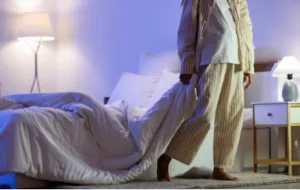


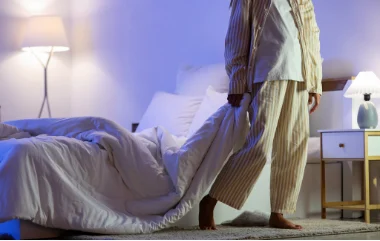
For the vast majority of the population, sleep is a restorative sanctuary—a period of quiet stillness that allows the body to repair and the mind to consolidate memories. However, for a significant subset of individuals, the transition into sleep does not signal a cessation of movement. Instead, it acts as a gateway to "parasomnias"—a group of sleep disorders characterized by abnormal behaviors, movements, and experiences that occur while a person is not fully conscious.
From wandering through the house in a daze to acting out violent dreams, these nocturnal episodes are more than just curiosities; they are significant medical conditions that pose a severe risk of physical injury. As experts in sleep medicine warn, the home environment can quickly become a minefield for those suffering from these disorders, turning the bedroom into a site of falls, lacerations, and even accidental violence.
Main Facts: Understanding the Spectrum of Parasomnias
Parasomnias represent a failure of the brain to properly transition between sleep stages or to maintain the "sleep-paralysis" mechanisms that typically keep our bodies still while we dream. These are not instances of someone being "wide awake" or choosing to act; rather, they are involuntary expressions of the subconscious.
The two most prominent and clinically concerning parasomnias are sleepwalking (somnambulism) and REM Sleep Behavior Disorder (RBD). While both involve abnormal physical activity during sleep, their underlying physiological triggers and risk profiles differ significantly.
Sleepwalking involves the partial awakening of the brain while the body remains in a state of deep, slow-wave sleep. Because the individual is in a dissociated state—neither fully asleep nor fully awake—their navigation of the environment is impaired. Conversely, RBD occurs during Rapid Eye Movement (REM) sleep. Under normal conditions, the brainstem sends a signal to the spinal cord to induce temporary muscle atonia, preventing us from acting out our dreams. In individuals with RBD, this protective paralysis fails, allowing the dreamer to punch, kick, or leap in response to the vivid, often aggressive, narratives playing out in their minds.
Chronology: The Progression of Nocturnal Risk
The timeline of these disorders often follows a predictable, if dangerous, rhythm.
- Early Night Vulnerability: Sleepwalking typically occurs during the first third of the night, when the body spends the most time in deep, slow-wave sleep. This is when a person is most likely to wander into common areas, navigate staircases, or attempt to exit the home.
- Late Night/Early Morning Escalation: REM Sleep Behavior Disorder generally manifests in the latter half of the night, when REM sleep cycles are longer and more frequent. This is when the "action" of dreams is at its peak, and patients are most likely to experience episodes that threaten both themselves and their bed partners.
- The Diagnostic Delay: For many, the chronology of the condition is marked by a long period of "silent" symptoms. Many patients do not seek medical attention until an injury occurs—a cut from a kitchen utensil, a bruise from a fall, or the realization that a spouse has been injured during the night. This delay is a critical hurdle, as early intervention could have prevented years of hazardous nocturnal activity.
Supporting Data: The Cost of Uncontrolled Sleep
The clinical literature paints a stark picture of the risks associated with these disorders. A landmark study cited in medical journals investigated 100 adults who sought care at a specialized sleep disorders center due to repeated nighttime injuries. The results were sobering: the majority of participants were suffering from either sleepwalking, night terrors, or RBD.
The frequency of injury is high, and the severity can be life-altering. In a study published in the journal Brain, researchers found that 32% of patients with RBD had sustained injuries themselves, while a staggering 64% of their bed partners had been subjected to physical violence. Reported injuries include:
- Soft Tissue Trauma: Bruises, contusions, and lacerations from striking furniture or walls.
- Fractures: Breaks resulting from falls down stairs or out of bed.
- Neurological Impact: Concussions and head injuries caused by forceful impacts.
- Secondary Risks: In cases of sleep-related eating disorder (SRED), patients have been known to consume toxic substances, ingest non-food items, or suffer severe burns while attempting to cook or operate kitchen appliances in a sleep-deprived, semiconscious state.
These statistics, while alarming, are likely an underrepresentation of the general public, as they only account for individuals who have already identified their symptoms as severe enough to warrant a visit to a medical facility.
Official Responses and Clinical Perspectives
The medical community, led by organizations such as the American Academy of Sleep Medicine (AASM), emphasizes that while safety modifications are essential, they are merely a bridge to proper medical management.
Medical review by experts like Dr. Margaret Hovda underscores that "do-it-yourself" solutions—such as tying or strapping a person to the bed—are strictly contraindicated. Restraints are not only inhumane but dangerous; if a person with a parasomnia attempts to move or flail during an episode, being tethered can lead to severe twisting injuries, dislocations, or strangulation.
Instead, the official clinical recommendation is a two-pronged approach: environmental safety and diagnostic evaluation. Healthcare providers stress that a "sleep study" (polysomnography) is the gold standard for diagnosis. During this overnight assessment, clinicians use video recording alongside brain-wave monitoring to differentiate between parasomnias and other complex conditions, such as nocturnal epilepsy, which may present with similar, yet medically distinct, motor behaviors.
Implications for the Household: A Roadmap to Safety
For families living with someone prone to sleep-related injuries, the home must be treated as a high-risk environment. The goal is to "fail-safe" the home so that an accidental awakening does not result in a trip to the emergency room.
1. Securing the Bedroom
- Clear the Path: Remove tripping hazards such as rugs, electrical cords, and excess furniture from the route between the bed and the door.
- Padding: Consider installing padded corner guards on nightstands and dressers. In severe cases, floor mats—similar to those used in gymnastics—can be placed around the bed to cushion potential falls.
- Window and Door Security: Install secondary locks or alarms on bedroom doors and windows. This is particularly vital for children or those who have demonstrated a tendency to wander outside.
2. Extending Safety to the Home
- Kitchen Hazards: Because sleep-related eating is a documented danger, the kitchen should be treated with the same caution as a medicine cabinet. Keep sharp knives locked away, and ensure that appliances like stoves and toasters have child-proof controls or are unplugged at night.
- Stairwell Barriers: If the bedroom is located on an upper floor, a gate at the top of the stairs can prevent a catastrophic fall during a sleepwalking episode.
3. The Role of the Bed Partner
The bed partner is often the most significant "monitor" for these disorders. If the partner is experiencing frequent physical strikes, the couple should consider separate beds or rooms until the condition is under medical control. This is not a failure of the relationship but a necessary measure to ensure the safety and sleep quality of both parties.
When to Seek Help: The Threshold for Intervention
The decision to visit a doctor should not be delayed. If nighttime behaviors are frequent, forceful, or have already resulted in injury, it is time for a professional evaluation. A patient should prioritize seeing a sleep specialist if:
- They have awakened outside the home.
- They have injured themselves or their bed partner.
- They have handled dangerous objects like knives or machinery while asleep.
- The behaviors are causing significant anxiety or disruption to their daily life.
By treating parasomnias with the same seriousness as any other medical condition, families can move from a state of constant, exhausting vigilance to a managed, safer existence. While a safe bedroom cannot cure a sleep disorder, it can provide the crucial buffer needed while medical treatments—which may include medication, stress management, or the treatment of underlying comorbidities—take effect.
In the quiet of the night, the body should be a vessel for rest, not a source of danger. By understanding the science of parasomnias and taking proactive steps to modify the environment, we can help ensure that our sleep remains what it was always intended to be: a period of peaceful, uninterrupted restoration.