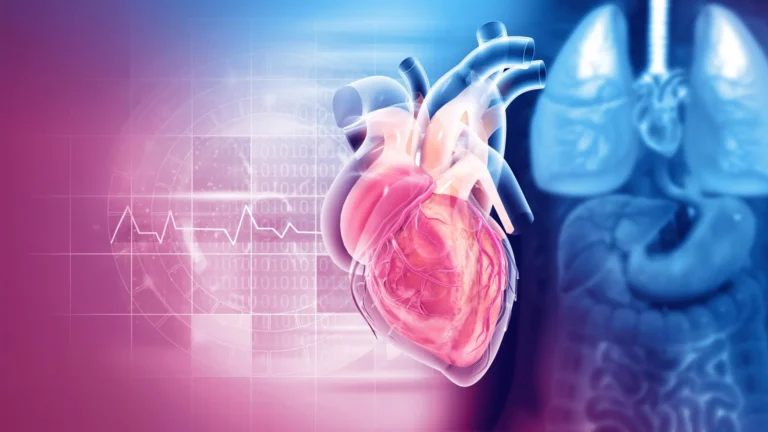






In the modern era, the "sitting disease" has become an invisible epidemic. From the ergonomic chairs of corporate offices to the plush cushions of our living rooms, the average young adult spends roughly six hours a day in a seated position. While this lack of movement is often associated with muscle atrophy or posture issues, a groundbreaking study from the University of Birmingham reveals a more insidious threat: the rapid, silent degradation of our vascular system.
However, new research published in the Journal of Physiology offers a glimmer of hope. Scientists have discovered that a simple dietary intervention—the regular consumption of foods rich in flavanols—may act as a protective shield for blood vessels, effectively insulating them against the physiological stressors induced by prolonged sitting.
The Vascular Cost of Modern Inactivity
To understand the significance of this discovery, one must first understand the relationship between blood vessel function and long-term health. Vascular health is often measured using brachial Flow-mediated dilatation (FMD), a metric that tracks how effectively arteries dilate in response to increased blood flow.
The stakes are alarmingly high. Previous clinical data have established that even a marginal 1% decline in FMD corresponds to a 13% increase in the risk of severe cardiovascular events, including heart attacks, strokes, and chronic heart disease. As sedentary habits become the default setting for the modern workforce, the cumulative impact on the population’s vascular health is staggering.
The British Heart Foundation recently reported a sobering trend: in 2023, deaths among working-aged adults in the UK climbed by 18% compared to 2019, reaching 21,975. Beyond the human toll, the economic burden is equally immense, with cardiovascular diseases costing the UK approximately £29 billion annually. Addressing the "hidden" stressors of sitting is no longer just a matter of wellness—it is a public health imperative.
Decoding Flavanols: Nature’s Vascular Guardian
Flavanols are a subclass of polyphenols, naturally occurring compounds found in an array of plant-based foods, including tea, berries, apples, nuts, and raw cocoa beans. Historically, these compounds have been heralded for their antioxidant and anti-inflammatory properties, with some studies suggesting they offer support during periods of high psychological stress.
The University of Birmingham study sought to bridge the gap between these known benefits and the specific physiological strain caused by physical inactivity. By investigating whether flavanol intake could negate the vascular decline experienced during two hours of uninterrupted sitting, the researchers aimed to provide a practical, diet-based solution to a systemic lifestyle problem.
Chronology of the Clinical Trial
The study design was rigorous, focusing on the intersection of fitness levels and dietary intake. The research team recruited 40 healthy young men, dividing them into two distinct cohorts: 20 individuals with high baseline cardiorespiratory fitness and 20 with lower fitness levels.
The Experimental Protocol
The methodology involved a controlled two-hour sitting period. Before the period commenced, participants were administered one of two beverages:
- The High-Flavanol Group: Consumed a cocoa drink containing 695 mg of total flavanols.
- The Low-Flavanol Group: Consumed a control drink containing only 5.6 mg of total flavanols.
Women were excluded from this initial study due to the potential influence of estrogen fluctuations during the menstrual cycle on vascular function. Researchers noted that this is a critical avenue for future investigation to ensure findings are inclusive across the entire population.
Measuring the Impact
To assess the outcome, the team utilized a series of diagnostic markers before and after the two-hour sitting window. They tracked:
- Brachial FMD: To measure the responsiveness of the arteries.
- Diastolic Blood Pressure: To observe changes in the pressure against artery walls.
- Shear Rate and Blood Flow: To monitor the velocity of blood moving through the vessels.
- Muscle Oxygenation: To assess how effectively oxygen was reaching the lower limbs during stillness.
Supporting Data: When Fitness Meets Reality
The results of the trial were both startling and enlightening. Participants who consumed the low-flavanol drink, regardless of whether they were in the high-fitness or low-fitness group, experienced a measurable decline in FMD in both their arms and legs. This was accompanied by a spike in diastolic blood pressure, a decrease in blood flow, and a reduction in oxygenation to the muscles of the lower legs.
Crucially, the study proved that physical fitness is not an absolute shield. Even the high-fitness participants showed significant vascular impairment after sitting for two hours without the protection of high-flavanol intake.
In stark contrast, the participants—across both fitness brackets—who consumed the high-flavanol cocoa drink maintained their vascular function at pre-sitting levels. Their arteries continued to dilate efficiently, and their blood flow remained stable, effectively neutralizing the negative effects of the two-hour sedentary stint.
Official Responses and Expert Insight
The research team, led by Dr. Catarina Rendeiro, an Assistant Professor in Nutritional Sciences, views these findings as a turning point in how we approach sedentary lifestyle management.
"Whether we are sitting at desks, behind the wheel of a car, on a train, or on the sofa reading a book or watching TV, we all spend a lot of time seated," Dr. Rendeiro stated. "Even though we are not moving our bodies, we are still putting them under stress. Finding ways to mitigate the impact that sitting for uninterrupted periods has on our vascular system could help us cut the risk of developing cardiovascular diseases."
Dr. Sam Lucas, Professor of Cerebrovascular, Exercise & Environmental Physiology and co-author of the study, emphasized the democratic nature of these results. "Our experiment indicates that higher fitness levels do not prevent the temporary impairment of vascular function induced by sitting when only drinking low-flavanol cocoa," Dr. Lucas explained. "Importantly, after the high-flavanol drink, both fitter and less-fit participants kept their FMD the same as it was before sitting for two hours."
Perhaps most significantly, the data revealed that baseline fitness does not dictate how the body processes flavanols. This suggests that the benefits are accessible to everyone, regardless of their current athletic status.
Practical Implications for Daily Life
The transition from clinical trial to daily routine is surprisingly straightforward. Alessio Daniele, a PhD student at the University of Birmingham and part of the research team, highlighted the accessibility of these nutritional interventions.
"It is actually quite easy to add high-flavanol foods to your diet," Daniele noted. "There are cocoa products available in supermarkets and health stores which are processed through methods that preserve flavanol levels. If cocoa isn’t your thing, fruits like apples, plums and berries, nuts, and black and green tea are all common kitchen staples and are readily available."
A Holistic Approach to Sedentary Health
While these findings are promising, the researchers are careful to frame them as a supplementary strategy rather than a replacement for physical activity. The goal is to create a "layered" approach to vascular health.
"Our research shows that consuming high-flavanol foods and drinks during periods spent sitting down is a good way to reduce some of the impact of inactivity on the vascular system," Dr. Rendeiro concluded. "Given how common sedentary lifestyles have become… using flavanol-rich food and drink, especially in combination with breaking up periods of inactivity by going for a short walk or standing up, could be a good way to enhance long-term health, no matter the individual’s fitness level."
Conclusion: The Future of Preventive Nutrition
The implications of the Birmingham study extend far beyond the laboratory. As the boundaries between work and home life continue to blur, and sedentary time remains an unavoidable component of modern existence, nutrition offers a vital line of defense. By incorporating flavanol-rich items—a handful of berries, a piece of fruit, or a cup of high-quality tea—into our daily work routines, we may be able to significantly buffer our cardiovascular systems against the silent, persistent stress of the seated chair.
As further research unfolds, this discovery underscores a fundamental shift in preventative medicine: the realization that what we consume while we are still may be just as important for our heart health as what we do when we are moving.