As the global population ages, the medical community faces a growing crisis: the diminishing ability of the human body to repair itself. Among the most visible and clinically challenging consequences of aging is the physiological decline of the skin. For older adults, a routine surgical incision or a minor scrape can evolve into a protracted, high-risk ordeal, often resulting in chronic wounds or delayed recovery.
However, a groundbreaking study published in Aging (Aging-US) has unveiled a potential "fountain of youth" for tissue repair. Researchers at the Boston University Aram V. Chobanian and Edward Avedisian School of Medicine have demonstrated that by using a topical drug to eliminate "zombie cells"—senescent cells that accumulate with age—it is possible to significantly accelerate the healing process in older skin. This discovery, which bridges the gap between basic cellular biology and clinical dermatology, suggests that we may soon be able to "prime" aging skin to heal with the vigor of youth.
The Biological Culprit: Understanding Senescence
To understand the magnitude of this research, one must first understand the concept of cellular senescence. Throughout our lives, cells divide and replicate. Eventually, however, cells reach a limit or sustain enough damage that they stop dividing. Normally, the immune system clears these worn-out cells away. As we age, this cleanup mechanism becomes less efficient.
These lingering cells, known as senescent cells, are colloquially referred to as "zombie cells." While they are no longer functional, they do not die. Instead, they remain metabolically active, secreting a toxic cocktail of inflammatory proteins, growth factors, and enzymes known as the Senescence-Associated Secretory Phenotype (SASP). This inflammatory environment acts as a chemical drag on the surrounding tissue, weakening the skin’s structural integrity and blunting the regenerative response to injury.
The research team, led by a group of dedicated scientists including Maria Shvedova, Rex Jeya Rajkumar Samdavid Thanapaul, and Daniel S. Roh, hypothesized that if they could selectively remove these cells from the skin, they could "reset" the local microenvironment, effectively lifting the brake on the body’s natural healing pathways.
Chronology of the Discovery: From Bench to Breakthrough
The journey toward this discovery was methodical, rooted in the emerging field of senolytic therapy.
The Experimental Phase
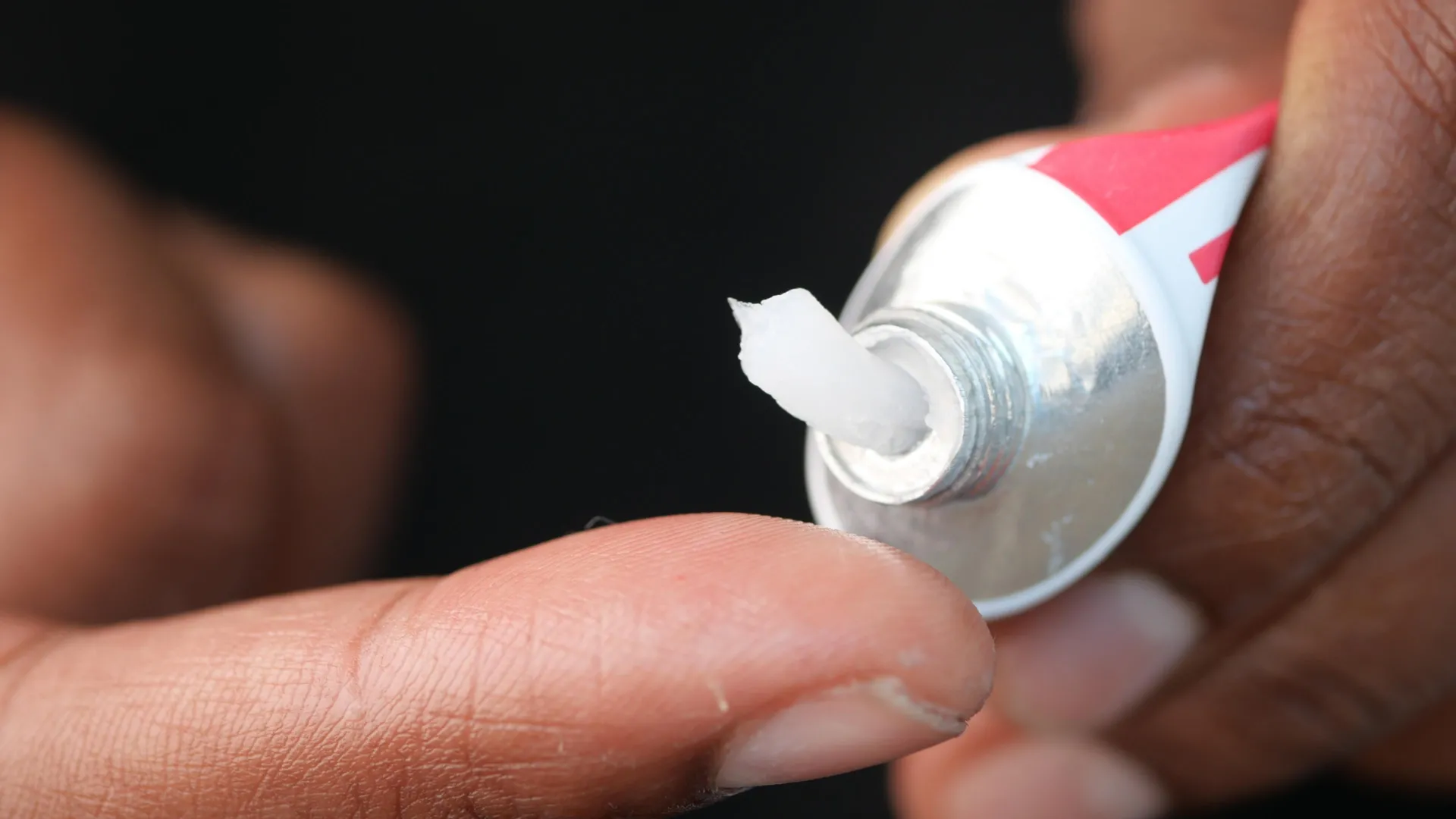
The researchers utilized ABT-263, a potent senolytic agent known for its ability to selectively induce apoptosis—or programmed cell death—in senescent cells. In their study, they applied the drug topically to the skin of aged mice over a period of five days. The results were immediate and measurable: the skin of the treated mice showed a marked reduction in molecular markers of senescence.
The Wound Healing Trial
Once the "zombie cell" burden was reduced, the team introduced small, controlled wounds to test the skin’s responsiveness. The disparity in outcomes was striking. By the 24th day of observation, an impressive 80% of the ABT-263 treated mice had achieved full wound closure. In contrast, only 56% of the untreated, aged control group had reached the same level of recovery.
The 2025-2026 Expansion
The momentum did not stop with the initial 2024 publication. The broader scientific community quickly picked up the thread. A 2025 review in Ageing Research Reviews solidified the consensus that cellular senescence is a primary driver of chronic skin pathology. By 2026, researchers began testing localized wound dressings infused with ABT-263, specifically targeting diabetic wound healing—a condition notorious for poor blood vessel growth and persistent, systemic inflammation. These later studies demonstrated that localized delivery could provide the benefits of senolytics without the risk of systemic toxicity, a common concern with oral anti-aging medications.
The Paradox of Inflammation
Perhaps the most counterintuitive finding in the research was the role of inflammation. In the context of wound healing, chronic inflammation is the enemy. However, the study noted that topical ABT-263 caused a brief, acute burst of inflammation.
In clinical terms, this was not a hindrance but a catalyst. This short-lived inflammatory response appeared to act as a "wake-up call" for dormant healing pathways. It effectively signaled the body’s repair systems to initiate the necessary processes for closure: collagen deposition, angiogenesis (the growth of new blood vessels), and tissue remodeling. By triggering this controlled response, the drug successfully bypassed the sluggishness that characterizes aged tissue, allowing the body to mobilize resources more effectively than it would have on its own.
Supporting Data and The "Targeted" Advantage
Why is a topical treatment superior to a systemic one? ABT-263 is a powerful molecule, but if taken orally, it circulates throughout the entire body, potentially killing off senescent cells that might be playing a beneficial role in other organs or causing off-target side effects.
The Boston University team’s decision to apply the drug topically was a masterstroke of precision medicine. The study demonstrated that while ABT-263 drastically reduced senescence in aged skin, it had almost no effect on the healthy, youthful skin of younger mice. This confirms a crucial therapeutic window: the drug is primarily active in the very environments where the "zombie cell" burden is highest.
This localized approach minimizes systemic exposure, making it a much safer candidate for future human clinical trials. It also suggests a paradigm shift in preoperative care. Instead of simply treating a wound after surgery, doctors might one day "pre-condition" a surgical site in an older patient, clearing out the senescent cells in the days leading up to an operation to ensure a faster, more robust recovery.
Official Responses and Scientific Context
While the findings are undeniably promising, the research team and independent experts maintain a stance of cautious optimism.
"Our study underscores the potential of topical senolytic treatments to enhance wound healing in aging skin, presenting a potentially promising strategy for preoperative care," the authors noted in their report.
The broader scientific community, however, has highlighted the complexity of the senescent cell. As noted in a 2024 review in Frontiers in Immunology, senescence is not universally "bad." In the very early stages of a wound, senescent cells can actually help coordinate the repair process. The danger lies in their persistence. The clinical challenge, therefore, is not merely to clear all senescent cells, but to achieve a delicate balance—removing the lingering, harmful cells that prevent healing while preserving the ones that initiate the process.
This nuance is critical for the next phase of research. As scientists move from mouse models to potential human clinical trials, they must determine the exact "sweet spot" for dosing and timing. Too little, and the skin remains sluggish; too much, and the body may lose the essential signaling cells required for the initial stages of repair.
Future Implications: A New Era of Geriatric Medicine
The implications of this research extend far beyond mere cosmetic skin recovery. For millions of older adults, chronic wounds—such as pressure ulcers or diabetic foot ulcers—are a leading cause of hospitalization, amputation, and mortality. If a topical cream can indeed restore the regenerative capacity of elderly skin, the impact on public health could be transformative.
Key Takeaways for the Future:
- Pre-Surgical Priming: Surgeons may eventually apply senolytic agents to the skin before procedures to minimize scarring and speed up recovery times.
- Diabetic Care: The 2026 studies on localized wound dressings provide a blueprint for treating the most stubborn, non-healing wounds that currently plague diabetic patients.
- Geriatric Dermatology: Beyond surgery, this research could lead to treatments for thinning, fragile skin, potentially increasing the resilience of elderly skin against everyday tears and environmental damage.
The Path Ahead
The road to the pharmacy shelf remains long. Researchers must conduct extensive human trials to ensure that these topical treatments do not cause allergic reactions, unintended scarring, or long-term disruption of the skin’s microbiome. Furthermore, there is the question of long-term safety—what happens to the skin’s structure if senescent cells are removed repeatedly over years?
Despite these questions, the paradigm has shifted. We no longer view the decline of aging skin as an inevitable, irreversible process. Instead, we are beginning to see it as a manageable, biological state. By carefully pruning the "zombie cells" that hold our tissue back, we may soon be able to provide our bodies with the tools they need to mend themselves with the efficiency of our younger years.
As the research matures, the focus will likely turn to the refinement of these senolytic cocktails. Will they be personalized based on the patient’s specific skin profile? Could they be combined with growth factors to further accelerate healing? While we wait for the answers, the study from the Boston University team stands as a beacon of hope, proving that with enough scientific precision, the biological clock of our skin may not be as fixed as we once thought.