











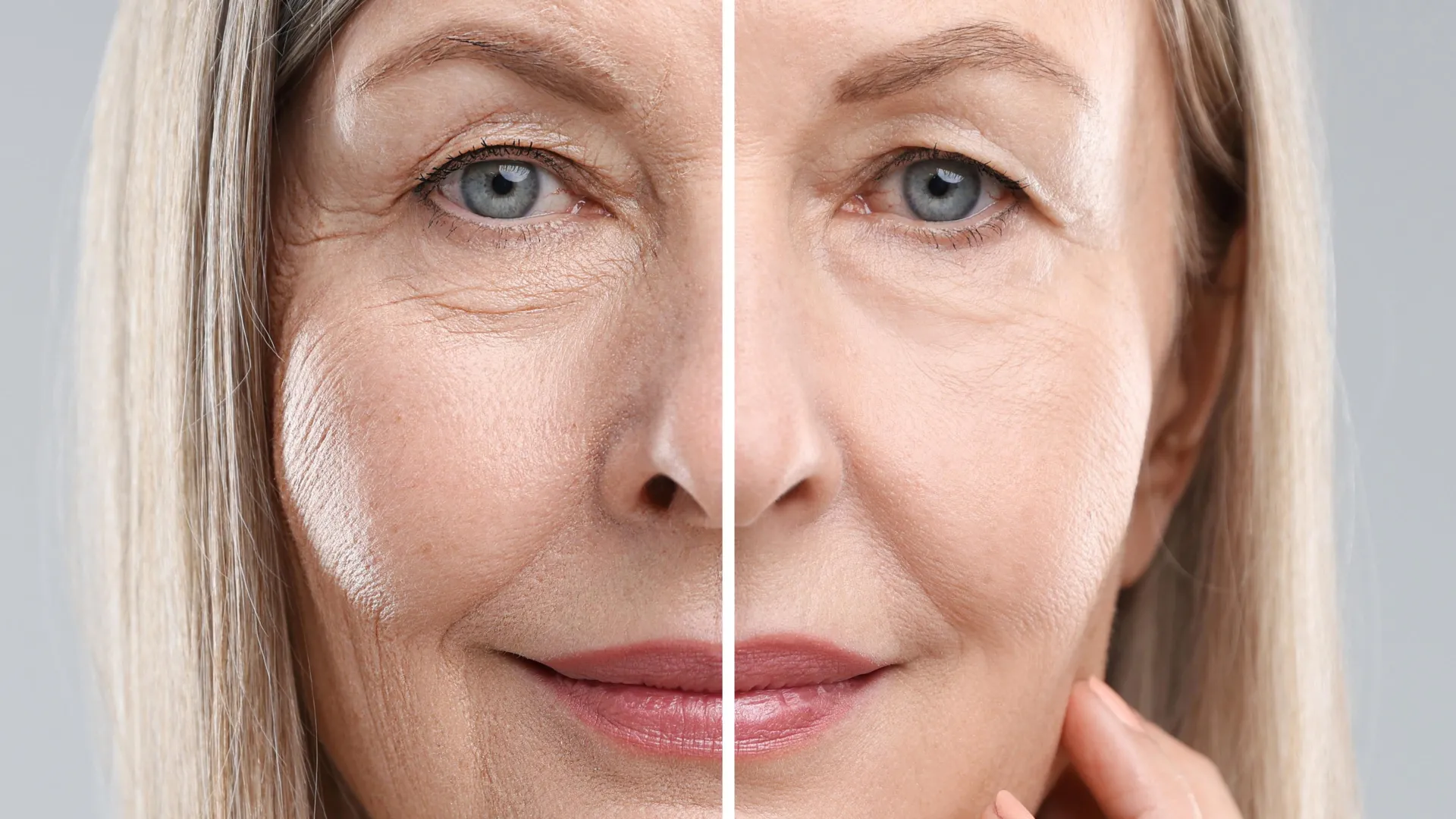
For decades, the concept of "aging" was treated as an immutable march of time—a one-way street defined by the number of candles on a birthday cake. However, groundbreaking research from the University of Sydney is challenging this paradigm, suggesting that the "biological clock" ticking within our cells may be more adjustable than previously imagined.
A new study published in the journal Aging Cell has revealed that older adults—specifically those between the ages of 65 and 75—can achieve measurable reductions in their "biological age" in as little as four weeks by making strategic adjustments to their dietary intake. By pivoting away from high-fat diets and reducing reliance on animal-based proteins, participants demonstrated physiological markers typically associated with a younger, more resilient body.
The Core Findings: A Four-Week Transformation
The study, conducted under the auspices of the University of Sydney’s Charles Perkins Centre, focused on 104 participants who were otherwise healthy, non-smoking, and free from chronic conditions such as type-2 diabetes or cancer. The objective was to determine whether dietary intervention could move the needle on biological age, a metric that reflects the internal functional status of the body rather than the number of years a person has lived.
For a period of four weeks, participants were randomized into one of four distinct dietary groups. Each diet was strictly controlled, with protein intake standardized at 14 percent of total caloric energy. The differentiation lay in the source of that protein—animal-based versus plant-based—and the balance of macronutrients, specifically fat versus carbohydrates.
The results were striking. Participants who shifted toward diets lower in fat or higher in plant-based proteins showed a statistically significant "rejuvenation" of their biological age markers. Conversely, those who remained on an omnivorous, high-fat diet—a regimen that closely mirrored their pre-study habits—saw no significant changes. This suggests that the body is remarkably responsive to nutritional input, even when those changes are introduced later in life.
Understanding the "Biological Age" Metric
To appreciate the weight of these findings, one must distinguish between chronological age and biological age. Chronological age is a static measurement of time elapsed since birth. Biological age, however, is a dynamic reflection of physiological vitality. It is influenced by a complex interplay of genetics, lifestyle, environmental stressors, and the body’s capacity for cellular repair.
Biomarkers: The Window Into Cellular Health
In this study, researchers estimated biological age by synthesizing data from 20 distinct biomarkers. These markers provide a comprehensive snapshot of metabolic and systemic health. Among the key indicators tracked were:
- Insulin sensitivity: A crucial marker for metabolic efficiency and diabetes risk.
- Lipid profiles: Specifically cholesterol levels, which provide insight into cardiovascular health.
- C-reactive protein (CRP): A standard indicator of systemic inflammation.
By aggregating these biomarkers, the research team created a "biological age score." The shift observed in the participants suggests that diet acts as a direct lever for internal systemic health, potentially slowing the accumulation of the "wear and tear" that defines the aging process.
Chronology of the Investigation
The study was born from the "Nutrition for Healthy Living" initiative at the Charles Perkins Centre, a hub known for its interdisciplinary approach to complex health problems.
- Selection and Screening: Researchers recruited 104 individuals aged 65–75. To ensure the accuracy of the data, the study excluded individuals with pre-existing conditions like severe food allergies, renal or liver disease, or active cancer.
- Dietary Intervention: The participants were split into four specific cohorts:
- Omnivorous High-Fat (OHF): A control group maintaining traditional dietary ratios.
- Omnivorous High-Carbohydrate (OHC): Focused on reducing fat while maintaining animal protein.
- Semi-Vegetarian High-Fat (VHF): Reducing animal protein in favor of plant-based sources while keeping fat content high.
- Semi-Vegetarian High-Carbohydrate (VHC): Combining plant-based protein dominance with a lower-fat, higher-carbohydrate profile.
- The Four-Week Window: Over 28 days, adherence was monitored. At the conclusion of the month, blood tests and physiological evaluations were conducted to calculate the shift in biological age scores.
- Data Synthesis: The results were analyzed against baseline data to identify which dietary pattern provided the most profound improvement in biomarker profiles.
The Superiority of the "High-Carbohydrate" Approach
The most significant takeaway from the study was the efficacy of the Omnivorous High-Carbohydrate (OHC) diet. In this group, participants consumed 14 percent protein, 28-29 percent fat, and 53 percent carbohydrates.
Why did this group show the strongest statistical evidence of reduced biological age? Researchers hypothesize that the reduction in fat intake—combined with a moderate, balanced approach to carbohydrates—likely lowered the metabolic stress on the body. By reducing dietary fat, the participants may have eased the burden on their cardiovascular and metabolic systems, allowing biomarkers like cholesterol and insulin to move toward more optimal, "younger" ranges.
The semi-vegetarian groups (VHF and VHC) also showed improvements, reinforcing the idea that increasing the ratio of plant-based proteins is a viable strategy for health optimization in older adults. However, the OHC group’s success indicates that the quality and proportion of macronutrients are just as critical as the source of the protein itself.
Official Responses and Scientific Caution
Despite the optimism surrounding these results, the research team, led by Dr. Caitlin Andrews of the University of Sydney’s School of Life and Environmental Sciences, remains grounded in scientific rigor. They are careful to distinguish between a "promising indication" and "definitive proof."
"It is far too early to claim that we have found the ‘fountain of youth’ or that specific dietary tweaks will guarantee a longer lifespan," Dr. Andrews noted. "What we have identified is a rapid, measurable response in biomarkers. This suggests that the body has a latent capacity to recover and re-regulate, even in the seventh decade of life."
Associate Professor Alistair Senior, who supervised the project, echoed this sentiment, emphasizing the necessity for longitudinal research. "While a four-week shift in biomarkers is impressive, it does not necessarily translate to a decade of added life," Senior explained. "We need to observe these participants over several years to determine if these improvements are sustainable and, more importantly, whether they correlate with a reduction in the incidence of age-related diseases like dementia, heart disease, or frailty."
Future Implications: What Does This Mean for the Aging Population?
The implications of this research are vast. If dietary changes can indeed "roll back" biological age, it offers a non-invasive, accessible, and cost-effective intervention for an aging global population.
A Shift in Public Health Strategy
Current healthcare models for the elderly are largely reactive, focusing on treating age-related conditions once they manifest. This research suggests a proactive, nutrition-based approach could be a powerful tool for preventative medicine. If doctors can prescribe specific dietary adjustments—similar to how they prescribe medication—to help patients "reset" their biological age, the burden of chronic disease could be significantly reduced.
The Need for Personalized Nutrition
One of the most important takeaways for the public is that there is no "one-size-fits-all" diet. The study highlights that individuals who moved away from their typical, high-fat patterns saw the most gain. This suggests that the "best" diet for an older adult is often the one that corrects their specific nutritional imbalances.
Next Steps for the Research Community
The University of Sydney team is already looking toward future studies that will:
- Expand Demographics: Determine if these results are replicated in younger adults or in populations with existing mild health conditions.
- Long-Term Durability: Conduct multi-year studies to see if the biological age reduction persists or if the body eventually adapts and plateaus.
- Mechanistic Insight: Explore the exact biological pathways—such as cellular autophagy or mitochondrial function—that are triggered by these specific dietary shifts.
Conclusion
The University of Sydney’s research serves as a compelling reminder that our bodies are not mere prisoners of time. While we cannot stop the clock, this study suggests we may have more control over the internal gears that define our health and vitality.
For the millions of adults entering their golden years, the message is one of empowerment: it is never too late to refine your diet. Whether it is reducing animal-based proteins or opting for a lower-fat, carbohydrate-balanced approach, small changes can yield significant internal rewards. As science continues to bridge the gap between nutrition and longevity, we move closer to a future where growing older is not synonymous with growing weaker, but rather, with maintaining a body that functions at its peak for as long as possible.