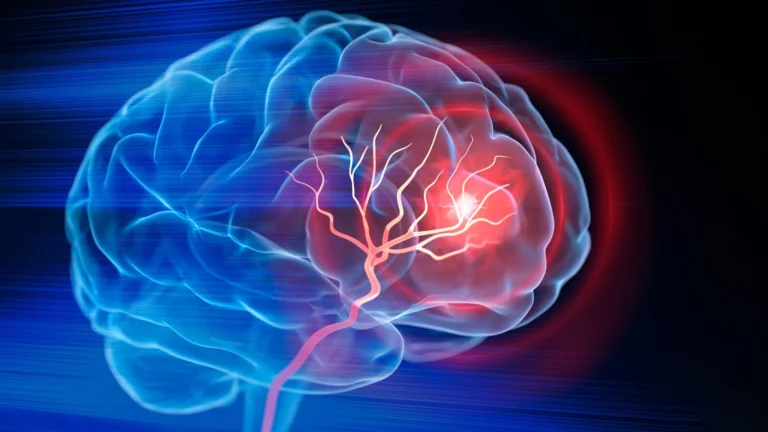
In a significant breakthrough for cardiovascular science and immunology, researchers at Stanford Medicine have mapped the specific biological pathway that leads to rare instances of heart inflammation—known as myocarditis—following mRNA-based COVID-19 vaccination. While mRNA vaccines have been hailed as a triumph of modern medicine, saving millions of lives globally, this new study provides a critical understanding of why a small subset of young, male vaccine recipients experience this adverse reaction.
Beyond merely identifying the cause, the research team, led by Stanford Cardiovascular Institute Director Joseph Wu, MD, PhD, has proposed a potential therapeutic strategy that could mitigate this risk, offering a roadmap for safer vaccine design and patient management in the future.
The Core Findings: A Two-Stage Immune Cascade
Published in the journal Science Translational Medicine, the study sheds light on how the immune system sometimes overreacts to the delivery of mRNA. The research team, which included lead author Xu Cao, PhD, and former postdoctoral scholar Masataka Nishiga, MD, PhD, discovered that the inflammatory response occurs in a distinct two-stage process.
The process begins with the activation of macrophages—the body’s "first responder" immune cells. Upon exposure to the mRNA vaccine, these macrophages release a surge of signaling proteins known as cytokines, specifically CXCL10. This initial release acts as a beacon, recruiting and stimulating T cells, which subsequently produce massive quantities of a second, more aggressive cytokine: IFN-gamma (interferon-gamma).
When these two proteins—CXCL10 and IFN-gamma—circulate in tandem, they create a toxic environment for the heart. The researchers found that this combination causes immune cells to infiltrate the heart muscle, leading to the cellular damage that characterizes myocarditis.
Contextualizing Safety: A Global Success Story
It is essential to place these findings within the broader context of global health. mRNA vaccines have been administered billions of times, and their safety profile remains excellent. Dr. Joseph Wu, who holds the Simon H. Stertzer, MD, Professorship, is quick to remind the public that the benefits of vaccination continue to vastly outweigh the risks.
"The mRNA vaccines have done a tremendous job mitigating the COVID pandemic," Dr. Wu said. "Without these vaccines, more people would have gotten sick, more people would have had severe effects, and more people would have died."
The rarity of vaccine-associated myocarditis underscores its status as an outlier rather than a systemic failure. Data indicates that the condition occurs in approximately one out of every 140,000 people after the first dose, increasing to roughly one in 32,000 after the second dose. The risk is highest among males aged 30 and younger, where the incidence is approximately one in 16,750.
Crucially, Dr. Wu notes that individuals are roughly 10 times more likely to develop myocarditis from a natural COVID-19 infection than from an mRNA vaccine. Furthermore, while the side effect is concerning, it is rarely fatal and often resolves with observation and rest, as it does not involve the arterial blockages seen in traditional heart attacks.
Chronology of the Investigation
The path to these findings was complex, involving a multi-year effort to integrate laboratory experiments with clinical data.
- Initial Observations (2021-2022): As vaccination programs rolled out, clinicians began reporting rare cases of chest pain and shortness of breath among young men shortly after their second dose. These patients often showed elevated levels of cardiac troponin—a protein released into the blood when heart muscle cells are damaged.
- Data Integration (2022): Stanford researchers began analyzing blood samples from vaccinated individuals. They compared the cytokine profiles of those who developed myocarditis against those who did not. The identification of CXCL10 and IFN-gamma as the "suspects" was a pivotal moment in the investigation.
- Laboratory Verification (2023): The team utilized "cardiac spheroids"—clusters of heart cells derived from human stem cells—to test the theory. They observed that exposure to the two identified cytokines directly impaired the beating rhythm and contraction strength of the heart clusters.
- Mouse Models (2023-2024): To confirm these findings in a living system, the team vaccinated young male mice. They observed that the vaccine triggered the same immune infiltration in the heart tissue, characterized by the presence of macrophages and neutrophils.
- Therapeutic Testing (Late 2024): The final phase involved testing whether the damage could be blocked. By using inhibitors to neutralize the cytokines, researchers were able to preserve heart function and prevent the infiltration of inflammatory cells.
The "Soybean" Solution: A Potential Preventive Strategy
One of the most intriguing aspects of the study is the identification of genistein, a compound found in soy, as a potential protective agent. Dr. Wu, familiar with genistein’s history as an anti-inflammatory agent, hypothesized that it could act as a buffer against the cytokine surge.
In previous work, Wu’s team demonstrated that genistein could mitigate vascular damage. In the current study, pre-treating cells and mice with purified, concentrated genistein significantly reduced the heart damage caused by the mRNA vaccine-induced inflammatory cascade.
"Genistein is only weakly absorbed when taken orally," Dr. Wu noted, emphasizing that while the study used a purified form, it points to the potential for dietary or pharmacological interventions to protect the heart during the period immediately following vaccination. However, researchers caution that this is not a green light for individuals to self-medicate with store-bought supplements, as the concentrations used in the study were highly specific and controlled.
Broader Implications: Beyond COVID-19
The implications of this research extend far beyond the current pandemic. As mRNA technology is increasingly utilized to develop vaccines for a variety of pathogens—including influenza, RSV, and potentially cancer—understanding the "cytokine signature" of these vaccines is paramount.
IFN-gamma is a double-edged sword; it is essential for the immune system to recognize and neutralize viral genetic material, but it can become toxic when produced in excess. The researchers suggest that future vaccine development could incorporate strategies to modulate this specific cytokine response, potentially lowering the risk of inflammatory side effects without compromising the vaccine’s efficacy.
Furthermore, the study suggests that the inflammatory response to mRNA vaccines might not be limited to the heart. There is preliminary evidence that similar, albeit often asymptomatic, inflammation may occur in the lungs, liver, or kidneys. If genistein or similar compounds can dampen this reaction, it could pave the way for a new class of "immunomodulatory" adjuvants that make future mRNA platforms even safer for the general population.
Conclusion: The Path Forward
The Stanford study represents a milestone in "translational medicine"—the process of taking a clinical observation, investigating it at the molecular level, and returning with a viable strategy for prevention or treatment. By identifying the role of CXCL10 and IFN-gamma, researchers have demystified a rare but intimidating side effect, providing medical professionals with a clearer understanding of how to manage patients who present with post-vaccine heart symptoms.
As mRNA technology continues to evolve, the ability to predict and prevent such inflammatory responses will be crucial to maintaining public trust in life-saving vaccination programs. For now, the message from the scientific community remains clear: the vaccines are safe, the risk of myocarditis is statistically low, and the work being done at institutions like Stanford is ensuring that the next generation of vaccines will be safer than ever.
Funding and Disclosure:
The study was supported by the National Institutes of Health (grants R01 HL113006, R01 HL141371, R01 HL141851, R01 HL163680, and R01 HL176822) and the Gootter-Jensen Foundation. The authors declare no competing financial interests regarding the development of the vaccines themselves.