






As we cross the threshold into our 50s and beyond, the human body undergoes a complex series of physiological transitions. Metabolism begins to shift, hormonal fluctuations become more pronounced, and the silent process of sarcopenia—the age-related loss of muscle mass—begins to accelerate. For many, the goal is no longer about hitting personal bests in the squat rack or running marathons; it is about maintaining functional independence, postural integrity, and the strength required to enjoy life without physical limitations.
While many turn to high-intensity gym machinery, experts are increasingly pointing toward a more elegant solution: Pilates. A low-impact, high-reward discipline, Pilates offers a unique path to restoring full-body strength, specifically designed for those seeking to combat the sedentary habits and physical decline often associated with aging. By dedicating just 10 minutes a day to a focused Pilates flow, you can rebuild the foundational strength necessary to thrive in your later years.
The Science of Strength: Why Aging Requires a Strategic Shift
The biological imperative for movement changes as we age. After the age of 45, the risk of muscle atrophy increases, often leading to decreased stability, slower metabolism, and a higher propensity for injury. The "traditional" gym approach—focused heavily on isolating muscles via heavy machines—can sometimes overlook the importance of functional movement patterns: pushing, pulling, lunging, and twisting.
"Without using machines, traditional Pilates builds strength from the core outward, improves posture, balance, and flexibility," explains Jill Drummond, VP of Fitness at BODYBAR Pilates. Drummond, who served as the Global Education and Program Manager at Freemotion Fitness from 2019 through 2023, emphasizes that true strength in later life is rooted in the "powerhouse"—the deep core muscles that support the spine and stabilize the pelvis.
By prioritizing core engagement, Pilates enhances endurance, boosts stability, and increases joint mobility in a way that static, machine-based exercises often fail to replicate. For the demographic over 55, this is not just about aesthetics; it is about mitigating the risk of falls, improving gait, and ensuring the body remains resilient against the wear and tear of daily living.
The Foundational Pillars of Movement
Before diving into specific exercises, it is crucial to understand the philosophy Drummond advocates: movement should be intentional and rooted in stability. "These are the most important to prioritize—especially for full-body strength as we age," Drummond notes.
The strategy is simple: 10 minutes a day. By committing to this brief window, you are not just exercising; you are retraining your nervous system to communicate effectively with your muscles. This flow focuses on three key movements that address the most common weaknesses developed in middle age: spinal mobility, lateral stability, and hip integrity.
1. The Saw: Enhancing Spinal Mobility and Core Rotation
The "Saw" is a quintessential Pilates move that targets the obliques while stretching the hamstrings and the spine. As we age, the spine often becomes stiffer, leading to back pain and limited mobility.
- The Execution: Sit tall with your legs extended slightly wider than hip-width apart. Reach your arms out to the sides in a "T" position. Inhale to lengthen your spine, then exhale as you rotate your torso to the right, reaching your left hand toward your right pinky toe.
- The Benefit: This exercise promotes thoracic rotation, which is essential for tasks like reaching into the backseat of a car or turning to look behind you—movements that become increasingly difficult as spinal range of motion decreases.
2. Hip Dips: Building Lateral Stability
Hip strength is the primary guardian against falls. When the muscles around the pelvis—the gluteus medius and obliques—are weak, stability is compromised.
- The Execution: Begin in a modified side plank position, supporting your weight on your forearm. With your hips stacked, slowly lower your hip toward the floor, then engage your obliques to lift back up to the starting position.
- The Benefit: Hip dips isolate the lateral stabilizers. By strengthening this area, you improve your balance while walking, standing, and transitioning from sitting to standing. It is a targeted strike against the "hip weakness" that often leads to gait instability in older adults.
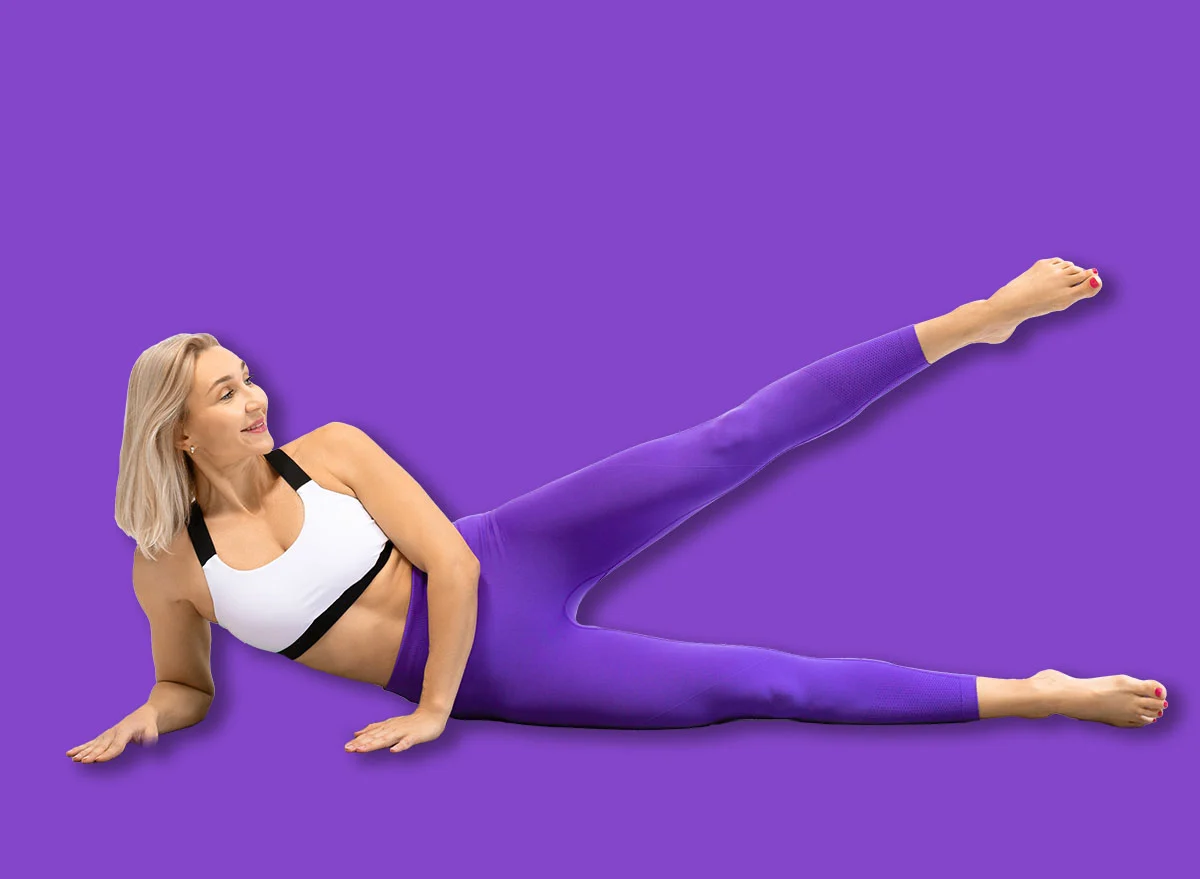
3. Side-Lying Leg Circles: Enhancing Hip Mobility
Joint health is often the first casualty of aging. Side-lying leg circles work to lubricate the hip joint while strengthening the muscles that support the femur.
- The Execution: Lie on your side, supporting your head with your hand. Keep your bottom leg slightly bent for stability. Extend your top leg and perform small, controlled circles in the air, maintaining a still pelvis.
- The Benefit: This movement pattern encourages blood flow to the hip joint and builds muscular endurance in the glutes without putting unnecessary strain on the lumbar spine. It is the perfect antidote to the "stiff-joint" sensation many experience upon waking in the morning.
Implications for Longevity and Quality of Life
The shift toward bodyweight-based, core-centric training is not merely a fitness trend; it is a public health necessity. As the global population ages, the burden on healthcare systems due to falls, osteoporosis, and mobility-related injuries is expected to climb. Exercises that improve "functional independence"—the ability to perform activities of daily living (ADLs) without assistance—are becoming the gold standard in geriatric wellness.
The implication of a 10-minute Pilates routine is profound: it lowers the barrier to entry. Many people avoid exercise because they believe it requires an hour of intense effort, expensive equipment, or high-impact stress. By proving that 10 minutes of intentional, controlled movement can restore significant strength, experts like Drummond are democratizing physical health.
Furthermore, the psychological benefits of such a routine cannot be overstated. Engaging in consistent movement improves cognitive function, reduces cortisol levels, and fosters a sense of agency over one’s physical self. For those over 55, the ability to maintain one’s own mobility is synonymous with maintaining one’s freedom.
A Chronology of Success: Moving Toward a Stronger Future
The transition to a Pilates-based regimen should be treated as a marathon, not a sprint.
- Week 1-2: Focus exclusively on form. Do not worry about the number of repetitions. Use a mirror or record yourself to ensure your spine is neutral and your core is engaged.
- Week 3-4: Introduce the "Saw" and "Hip Dips" with a focus on breathwork. Pilates is rooted in the synchronization of breath and movement; learning this rhythm will increase the intensity of the workout without needing to add resistance.
- Month 2 and Beyond: Incorporate "Side-Lying Leg Circles" and gradually increase the duration of your hold in each position. Listen to your body—if a movement causes sharp pain, regress to a simpler version or consult a professional.
Conclusion: The Path Forward
The aging process is inevitable, but the decline of our physical capabilities is not. Through the adoption of intentional movement patterns that prioritize core strength, balance, and joint mobility, individuals over 55 can reclaim their vitality.
Jill Drummond’s approach serves as a reminder that we do not need the most expensive gym membership or the most complex machines to age well. We need consistency, proper form, and a commitment to the foundational pillars of movement. By carving out just 10 minutes a day, you are not just working out; you are investing in a future where you can continue to move through the world with grace, strength, and confidence. The journey to a stronger, more capable self begins on the mat—one breath, and one controlled movement, at a time.