








The history of scientific progress is often told through the lens of singular "eureka" moments, but the reality of medical advancement is far more complex. It is a narrative of persistence, the courage to challenge established dogmas, and an unwavering commitment to human life. Throughout Women’s History Month, the Cancer Research Institute (CRI) takes a deliberate pause to honor eight visionary women whose intellectual contributions and leadership have not only disrupted the status quo but have fundamentally reshaped the architecture of modern medicine and immunology.
From the foundational X-ray crystallography that unlocked the secret of the double helix to the courageous patient advocacy that has turned terminal diagnoses into stories of survival, these women represent a lineage of scientific defiance. Their collective legacy proves that the most profound breakthroughs often occur when someone is willing to ask the questions others were too comfortable—or too afraid—to pose.
I. Main Facts: A Legacy of Disruption
The stories of these eight women are linked by a common thread: the refusal to accept limitations. Whether it was Helen Coley Nauts defying the lack of institutional support for immunotherapy in the 1950s, or Dr. Frances Kelsey single-handedly preventing a public health catastrophe in the 1960s, these figures demonstrate that scientific authority is not just about institutional credentials, but about the integrity of one’s conviction.
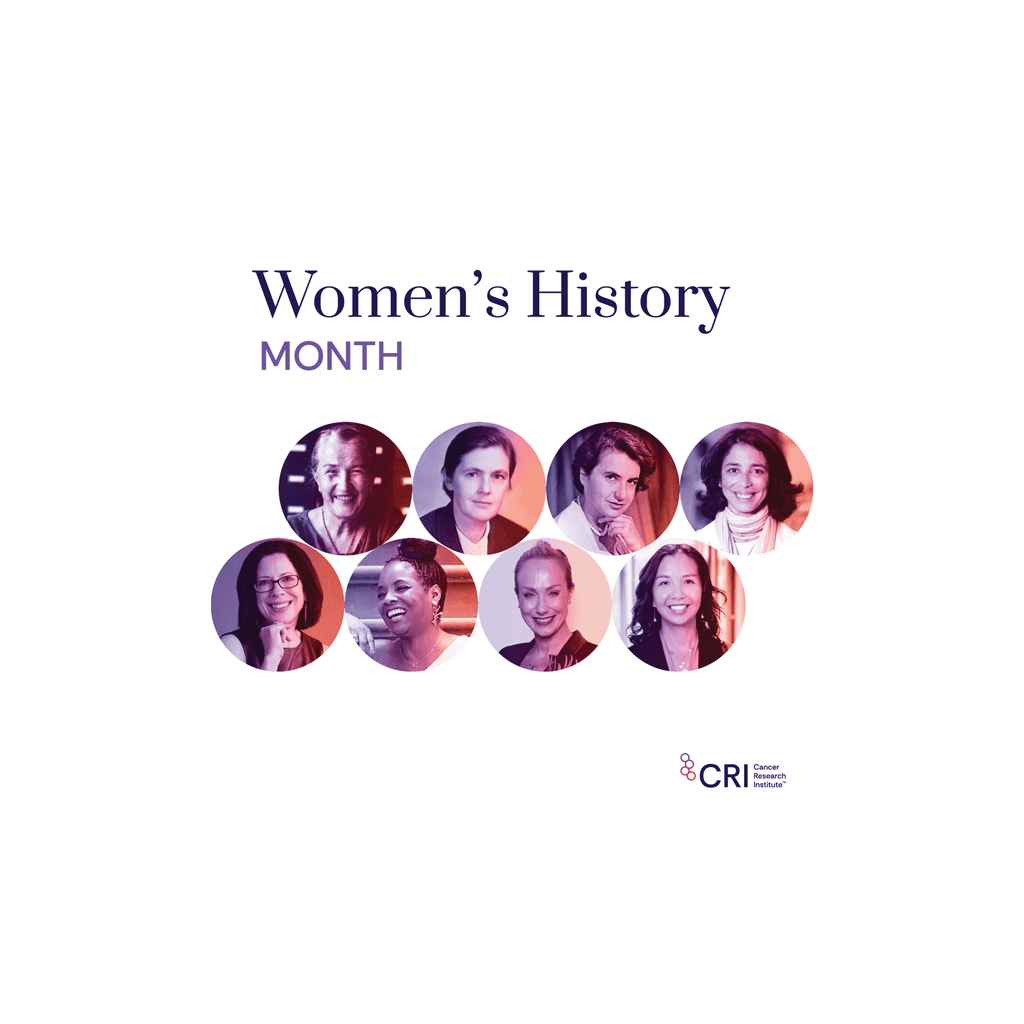
The Cancer Research Institute (CRI) recognizes these individuals as catalysts for change. Their work covers the entire spectrum of medical progress:
- Scientific Foundation: Rosalind Franklin’s mastery of physical chemistry provided the blueprint for life itself.
- Regulatory Vigilance: Dr. Frances Kelsey established the modern standard for drug safety.
- Immunological Innovation: Helen Coley Nauts, Dr. Miriam Merad, and Dr. Elizabeth Jaffee have collectively bridged the gap between biological curiosity and clinical reality.
- Patient Agency: Karen Peterson and Sharon Belvin have redefined the role of the patient from a passive recipient of care to an active driver of clinical research.
- Systemic Leadership: Dr. Alicia Zhou represents the modern era of translational science, where public health, technology, and equity intersect.
II. Chronology of Courage: A Timeline of Impact
The Mid-Century Pioneers (1950s–1960s)
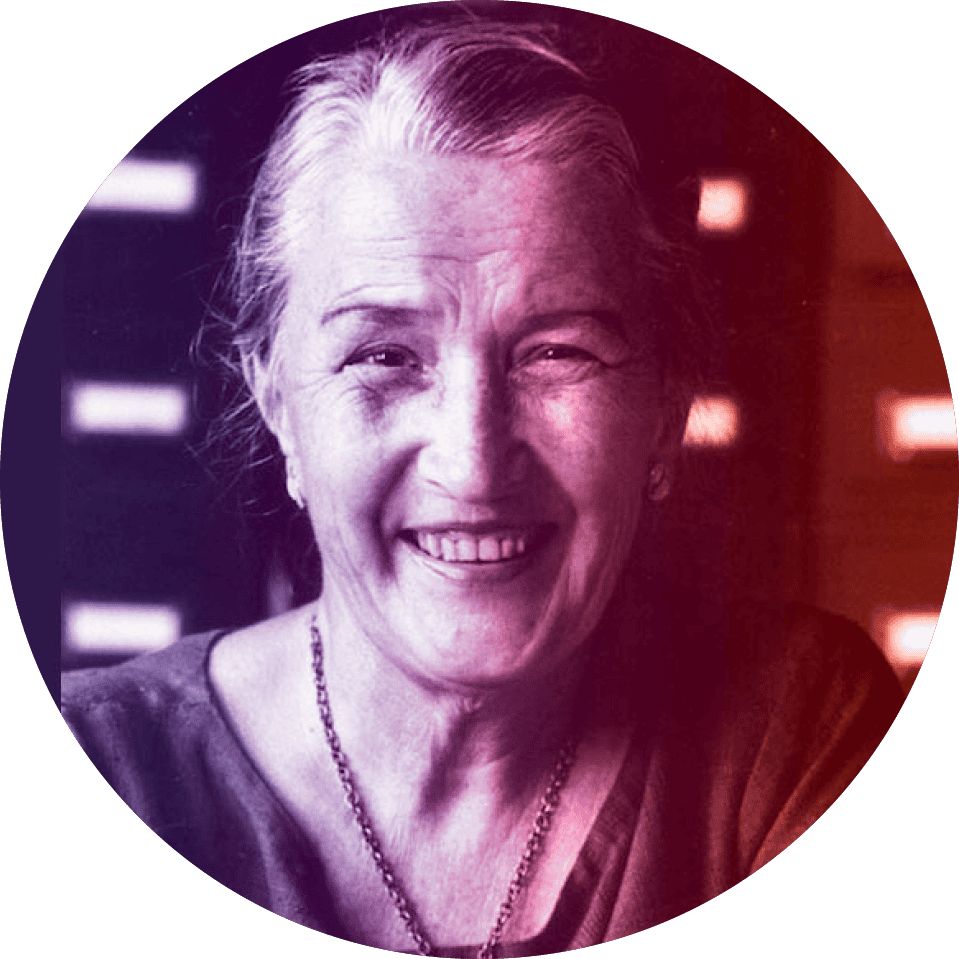
The 1950s served as a crucible for modern medicine. Helen Coley Nauts co-founded the Cancer Research Institute in 1953, driven by her father’s forgotten observations that infections could trigger tumor regression. Despite being a non-scientist, she spent two decades meticulously documenting "Coley’s Toxins," effectively preserving the early history of cancer immunotherapy.
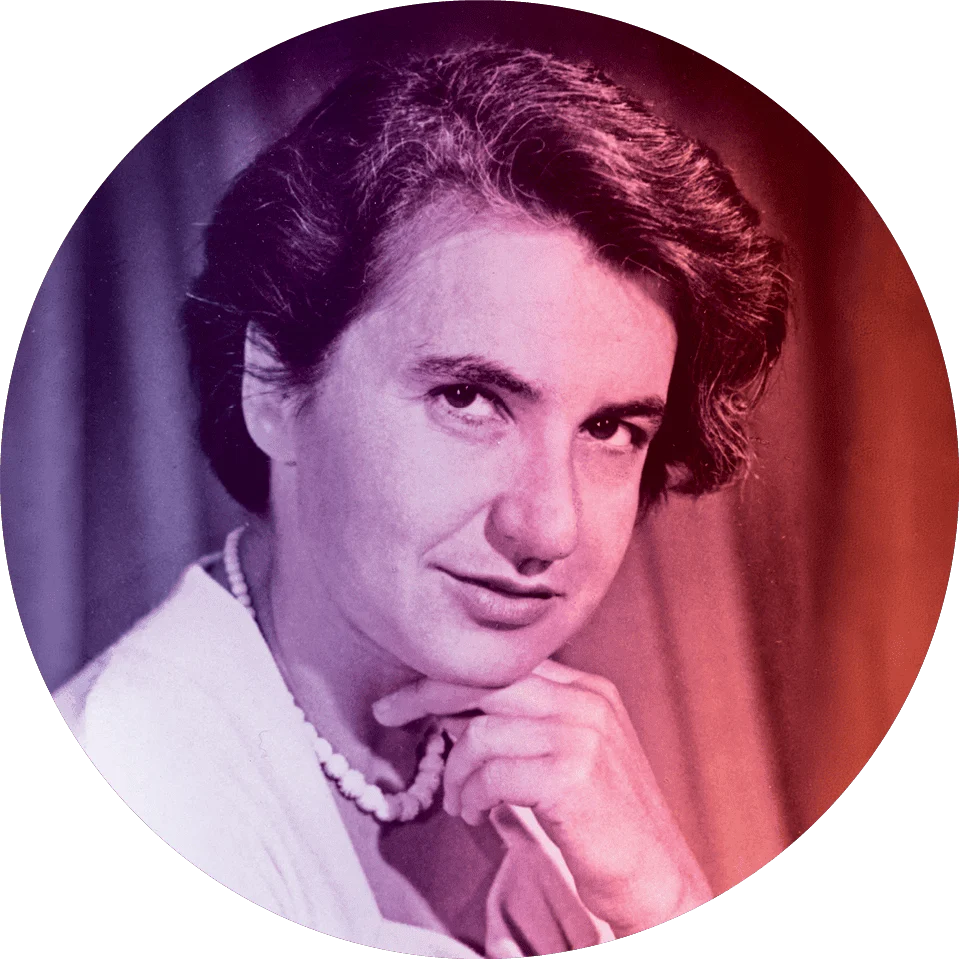
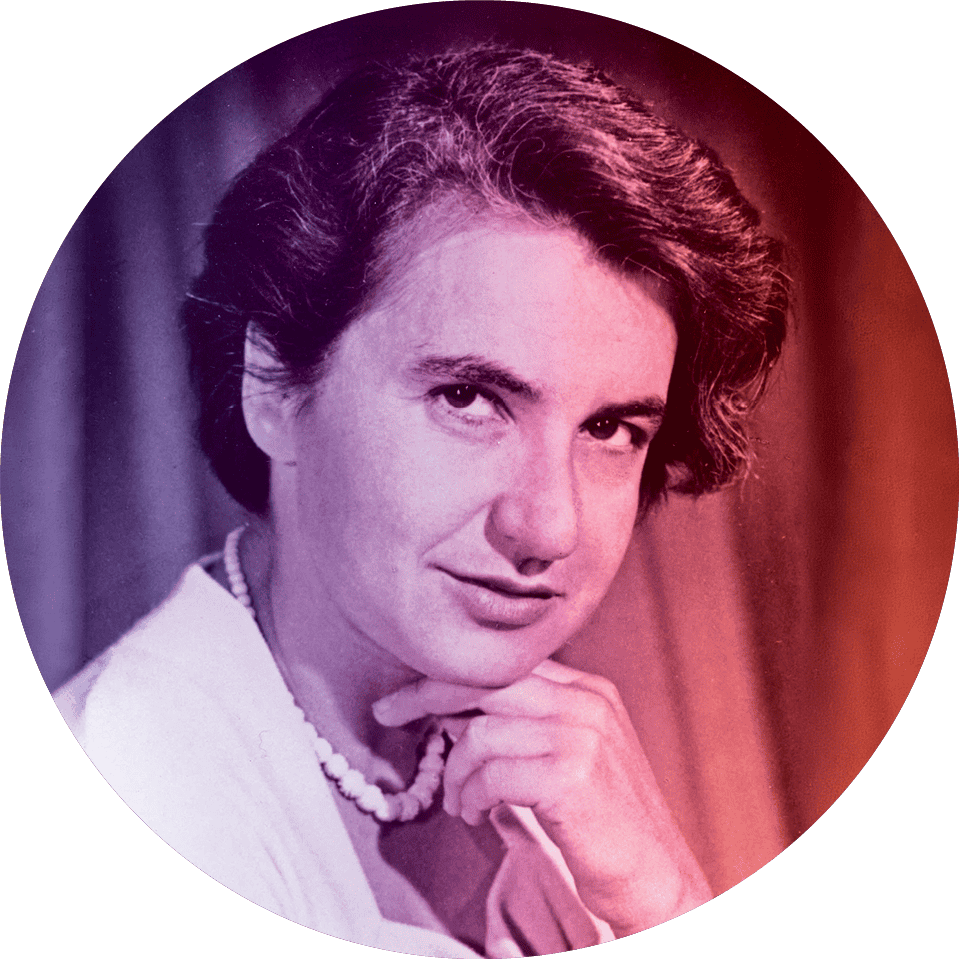
Simultaneously, in the United Kingdom, Rosalind Franklin was applying her expertise in X-ray crystallography to capture "Photograph 51." Her data provided the definitive proof of the DNA double helix. While history initially sidelined her in favor of her male colleagues, the contemporary scientific community now acknowledges that without Franklin’s rigorous, precise methodology, the race to uncover the structure of life would have been significantly delayed.
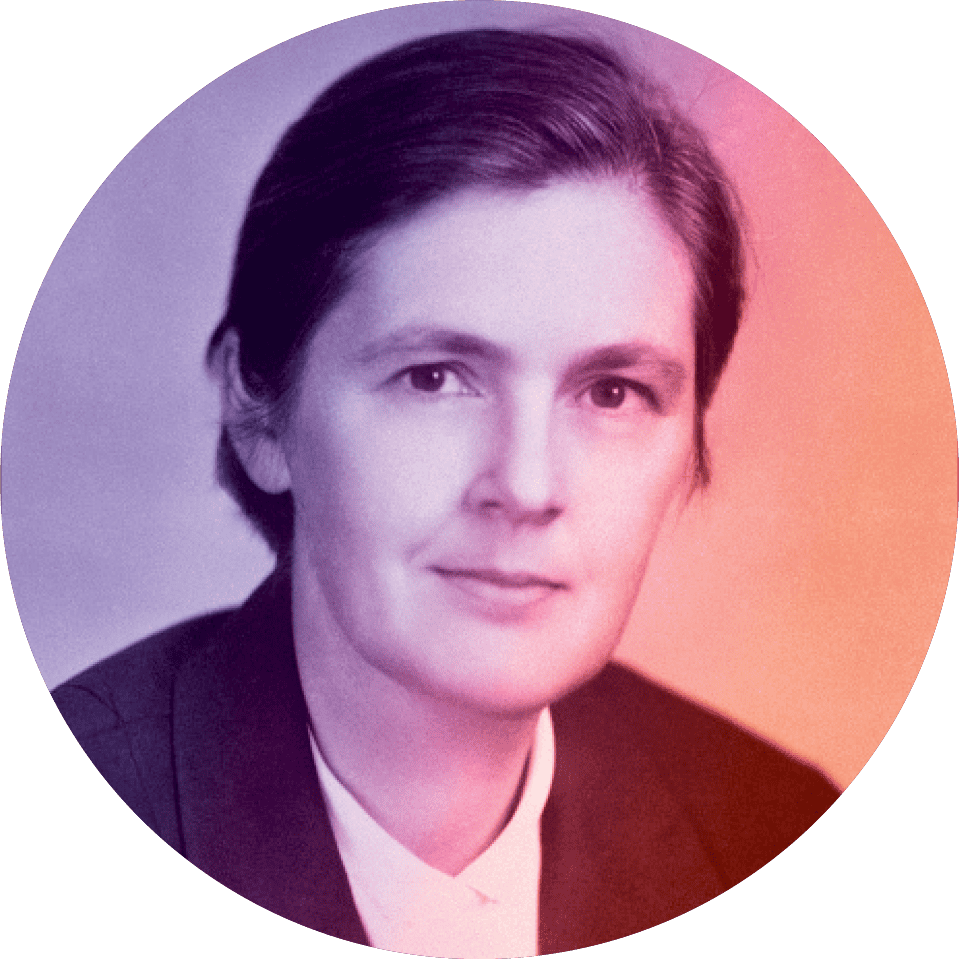
By the early 1960s, Dr. Frances Kelsey emerged as a guardian of public health. As a medical officer at the FDA, she resisted immense pressure to approve thalidomide, a drug that caused horrific birth defects elsewhere. Her refusal set the gold standard for the Kefauver-Harris Amendment, which mandated that drug manufacturers prove both safety and efficacy before market entry.
The Era of Targeted Intervention (2000s–Present)
The turn of the 21st century saw the maturation of immunotherapy. Sharon Belvin, diagnosed with stage 4 melanoma at 22, became a sentinel patient in the trial for ipilimumab. Her survival proved that the immune system could be "unleashed" to eradicate advanced cancer. Her success helped pave the way for the FDA approval of Yervoy in 2011, triggering a new era of checkpoint inhibitor therapy.
Following this momentum, Karen Peterson shattered expectations for stage 4 triple-negative breast cancer. By navigating the complexities of clinical trials and becoming a "complete responder," she proved that patient self-education and advocacy are vital tools in the fight against cancer. Her founding of "Karen’s Club" continues to address the racial disparities in clinical trial participation.
III. Supporting Data: The Science of Progress
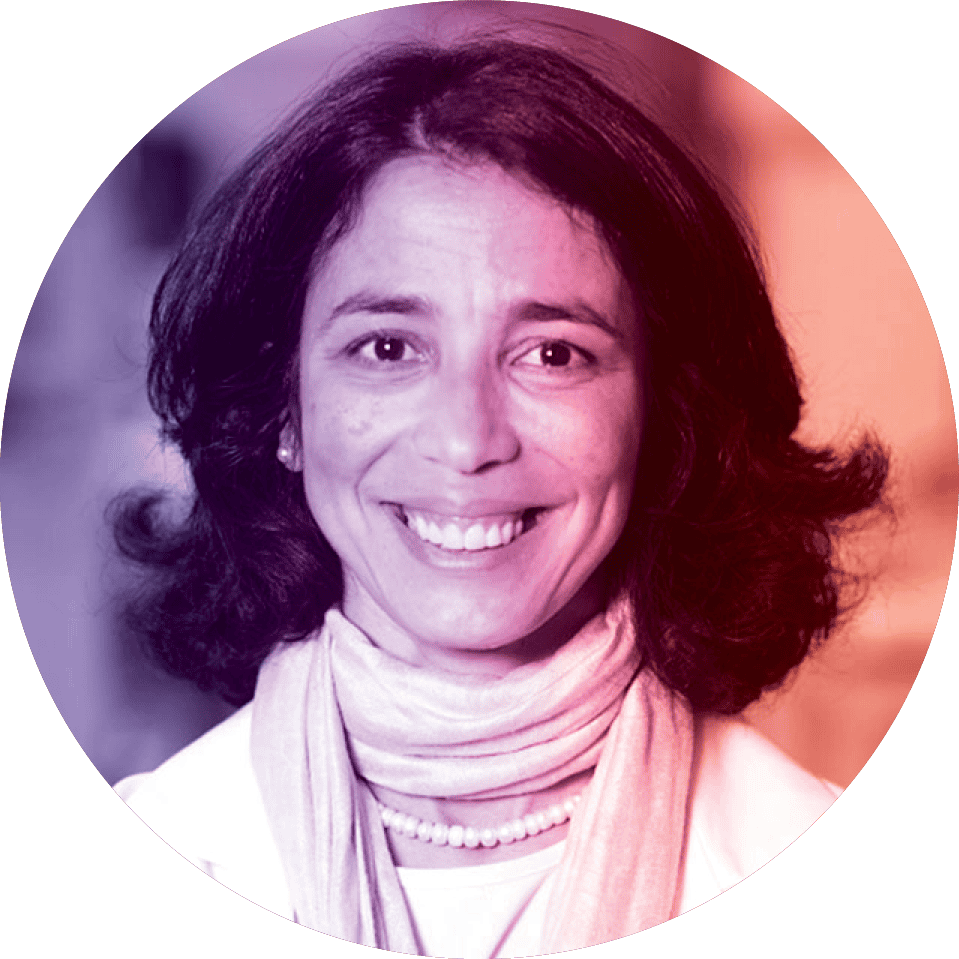
The transition from laboratory bench to hospital bedside is a difficult, high-stakes journey. The work of modern leaders like Dr. Miriam Merad and Dr. Elizabeth Jaffee highlights the necessity of "translational science."
- Immunological Mapping: Dr. Merad’s work at Mount Sinai focuses on the innate immune system—the body’s first line of defense. By understanding how tumors manipulate these cells to evade destruction, her lab is creating a roadmap for next-generation immunotherapy that is more precise and less toxic.
- Preventative Vaccines: Dr. Jaffee, at Johns Hopkins, is pushing the boundaries of what is possible by developing vaccine-based therapies for pancreatic cancer. Her research seeks to move beyond treatment to true prevention, aiming to stop the cancer before it can establish a foothold.
The impact of this research is measurable. According to recent clinical data, the integration of immunotherapy has moved the five-year survival rate for certain advanced cancers from single digits to over 50%. This shift is not incidental; it is the direct result of the "bench-to-bedside" ecosystem these researchers have built.
IV. Official Perspectives: The Future of CRI
Under the leadership of Dr. Alicia Zhou, the Cancer Research Institute is entering a phase of global integration. Dr. Zhou brings a background that blends high-capacity diagnostics with equitable access. Her tenure as Chief Science Officer at Color Health—where she orchestrated massive, rapid-response diagnostic infrastructure during the COVID-19 pandemic—has prepared her to scale the CRI mission.
"Science is not a solitary pursuit," Dr. Zhou notes. "It is a collaborative, global effort that requires us to break down silos between basic research, clinical application, and the patients we serve. Our goal at CRI is to ensure that the breakthroughs of tomorrow are available to everyone, regardless of geography or background."
The CRI Scientific Advisory Council, which includes both Dr. Merad and Dr. Jaffee, acts as the intellectual engine of the organization. By vetting the most promising early-career scientists and high-impact projects, they ensure that the Institute’s resources are allocated to those with the potential to truly disrupt the cancer landscape.
V. Implications: Challenging the Status Quo
The legacy of these eight women serves as a critique of scientific inertia. Historically, the medical field often operated behind closed doors, with rigid hierarchies that prioritized established names over novel data.
The Implications for Clinical Trials:
The thalidomide tragedy, while averted by Dr. Kelsey, led to a long-standing policy (until 1993) that excluded women of childbearing potential from clinical trials. The reversal of this policy—and the active efforts of advocates like Karen Peterson to ensure diversity in trial enrollment—has corrected a fundamental flaw in medical research. We now know that biological sex and ethnicity play critical roles in how treatments are metabolized and how tumors behave.
The Role of the Patient-Advocate:
Perhaps the most significant shift in the 21st century is the empowerment of the patient. The transition from "subject" to "partner" in research has changed the speed at which clinical trials are designed and recruitment occurs. Patient advocates are no longer just sharing stories; they are providing the impetus for research funding and policy change, as seen in the work of the Patient Roundtable.
Conclusion: A Call to Persistence
The narrative of these eight women is not a closed chapter; it is an ongoing mandate. Whether through the meticulous crystallography of Rosalind Franklin, the regulatory steel of Frances Kelsey, or the transformative clinical leadership of Dr. Alicia Zhou, these women exemplify the essential components of progress: the refusal to accept "no" when "why" is the more important question.
As the Cancer Research Institute continues to support the next generation of researchers, it does so with the understanding that every breakthrough is built upon the courage of those who dared to disrupt. The future of human health is being written today, not just in the data of the laboratory, but by those with the persistence to ensure that those findings reach the people who need them most.
The work continues. And as history has proven, the progress of science depends on those who refuse to stay within the lines.