For decades, the fitness industry’s approach to male health has been dominated by a singular, visual paradigm. Success was measured in pounds lost, body fat percentage dropped, and muscle mass gained. While these metrics offer objective data, they have become an incomplete—and often misleading—proxy for genuine well-being. Today, fitness professionals are increasingly encountering a paradox: clients who possess impressive physiques yet suffer from chronic fatigue, poor sleep hygiene, systemic inflammation, and declining metabolic health.
As we navigate a new era of wellness, it is becoming clear that the industry must pivot. Moving beyond aesthetics is not about abandoning physique goals; it is about contextualizing them within a multidimensional framework that prioritizes longevity, functional capacity, and psychological resilience.
The Evolution of the "Aesthetic" Standard
The hyper-fixation on body composition was not an accidental development. In the commercial fitness sector, visual transformations are the gold standard of marketing. Before-and-after photos, rapid-result challenges, and physique-focused social media content are easily digestible, emotionally resonant, and highly effective for lead generation.
However, this commercial success has come at a physiological cost. For many men, the message internalized from sports culture, entertainment, and social media is that physical dominance—defined by leanness and muscularity—is synonymous with health. This creates a dangerous feedback loop where men believe that suffering through extreme caloric deficits or overtraining is the only path to "success." When this expectation meets the reality of modern life—characterized by high-stress careers, family obligations, and the "always-on" digital culture—the result is often burnout, injury, or the silent erosion of metabolic health.
Chronology of a Coaching Shift: From Physique to Performance
The shift in coaching philosophy has been a slow but necessary reaction to the changing demographics of the modern gym-goer.
- The 1990s–2000s (The Physique Era): Coaching models were largely derived from bodybuilding. The primary goal was hypertrophy and fat loss, with little regard for cardiovascular health or stress management.
- The 2010s (The Performance Emergence): The rise of high-intensity functional training introduced the importance of movement quality and work capacity, yet often failed to account for the cumulative stress load of the client.
- The 2020s (The Longevity and Resilience Era): We are currently witnessing a move toward "holistic performance." Coaches are now expected to be part-strategist, part-educator, helping clients balance the demands of modern life with the biology of recovery.
The Pillars of Modern Male Health
To effectively coach the modern man, fitness professionals must look past the scale and evaluate a broader ecosystem of health indicators.
1. Cardiovascular and Metabolic Resilience
Cardiovascular disease remains the leading cause of mortality among men globally. Despite this, "cardio" is still frequently viewed by male clients as a tool for fat loss or, worse, a "muscle-killing" chore to be avoided. A modern health-centered approach rebrands aerobic conditioning as the foundation for recovery. By improving aerobic capacity, clients enhance their ability to recover between sets, increase their daily energy output, and improve systemic metabolic health, which ultimately supports their physique goals.
2. Sleep as a Performance Variable
Sleep is the most potent, yet most underutilized, recovery tool in the fitness arsenal. When clients report low energy, they often seek more caffeine or more intense training. A professional coach recognizes these as symptoms of sleep debt. When a client’s sleep quality is compromised, hormonal regulation—specifically testosterone production and cortisol management—is disrupted. Addressing sleep hygiene is not "soft" coaching; it is essential programming.
3. Stress and the "Total Load" Concept
The body does not distinguish between the stress of a heavy squat and the stress of a looming work deadline. Modern clients operate in a state of chronic sympathetic nervous system activation. When a client is under-recovering, the solution is not always "more discipline." It is often a strategic reduction in training volume to match the client’s current capacity. Ignoring this leads to the "grind trap," where the client pushes until they inevitably break.
4. Movement Capacity and Longevity
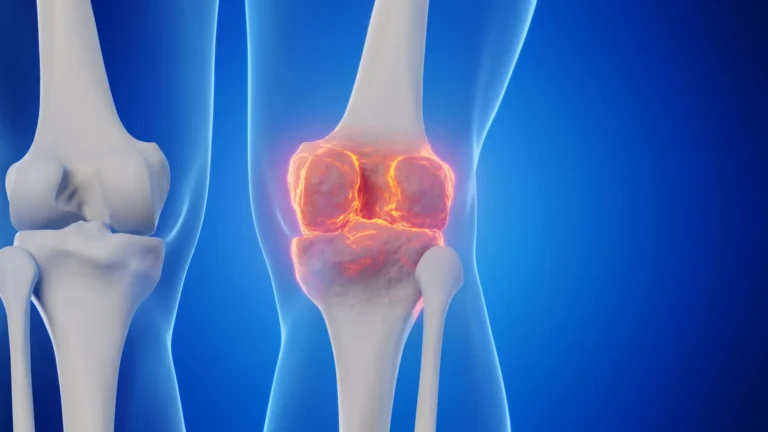
The ability to move well is the prerequisite for moving often. Many men in their late 30s and 40s continue to train with the intensity of their 20s while ignoring the accumulation of joint stiffness and mobility restrictions. A health-focused model prioritizes movement longevity, ensuring that the strength built today does not come at the cost of mobility tomorrow.
Supporting Data: Why Broad Metrics Matter
Research indicates that "outwardly fit" individuals can still exhibit signs of metabolic dysfunction if they ignore foundational health. Studies have shown that cardiovascular fitness is an independent predictor of longevity, often mattering more than BMI or lean body mass. Furthermore, the psychological impact of "all-or-nothing" dieting is well-documented; it leads to higher rates of recidivism, eating disorders, and chronic anxiety regarding body image.
When coaches implement tracking metrics beyond weight—such as resting heart rate (RHR), heart rate variability (HRV), sleep duration, and movement quality scores—they provide the client with evidence of progress that the scale often fails to capture. This reinforces the idea that health is a process, not a destination.
Official Responses and Industry Perspectives
Leading voices in exercise physiology and sports psychology are increasingly pushing for an "Autonomy-Supportive" coaching model. In this model, the coach and client act as collaborators. Instead of the coach acting as a drill sergeant, they act as a guide who helps the client understand the "why" behind every adjustment.
This approach acknowledges that for many men, training is a primary source of identity. When a coach suggests a "deload" week or a change in nutrition strategy, it can feel like a threat to the client’s identity. Professionals who frame these changes as "strategic periodization" rather than "cutting back" find significantly higher adherence rates.
The Implications for Coaching Practice
The move away from aesthetics-only coaching has profound implications for how fitness professionals operate:
- Assessment: Coaches must stop using weight as the sole KPI. Assessments should include movement screens, recovery markers, and psychological readiness surveys.
- Programming: Programs must be flexible. The "perfect" program is useless if the client is too stressed or sleep-deprived to execute it safely. Adaptive programming—where the intensity varies based on the client’s current life load—is the new standard.
- Communication: Language matters. Shifting from "you need to lose fat" to "let’s improve your work capacity to support your long-term goals" changes the emotional tone of the relationship. It reduces shame and builds trust.
Conclusion: The New Standard of Success
Reframing health does not mean dismissing the desire for a better physique. It means recognizing that a superior physique is a natural byproduct of a high-functioning, healthy, and resilient body. When we stop viewing the male body as a project to be sculpted and start viewing it as a system to be optimized, we unlock a sustainable path to health.
The future of men’s health coaching lies in the middle ground—a place where strength training, cardiovascular health, recovery, and psychological well-being coexist. By adopting this broader framework, fitness professionals can ensure their clients do not just look better in the mirror, but live better, longer, and more energetic lives. The true test of a successful coaching program is not what the client looks like in a photo, but how they perform and feel in their day-to-day life, five, ten, and twenty years down the road.