






15 July, 2026
In the modern era of medicine, the divide between groundbreaking scientific discovery and its actual application in a clinical setting—often referred to as the "translational gap"—remains one of the most significant hurdles in global healthcare. While laboratory research advances at an unprecedented pace, the translation of these discoveries into routine, evidence-based patient care frequently lags, leaving countless individuals without access to the latest life-saving interventions.
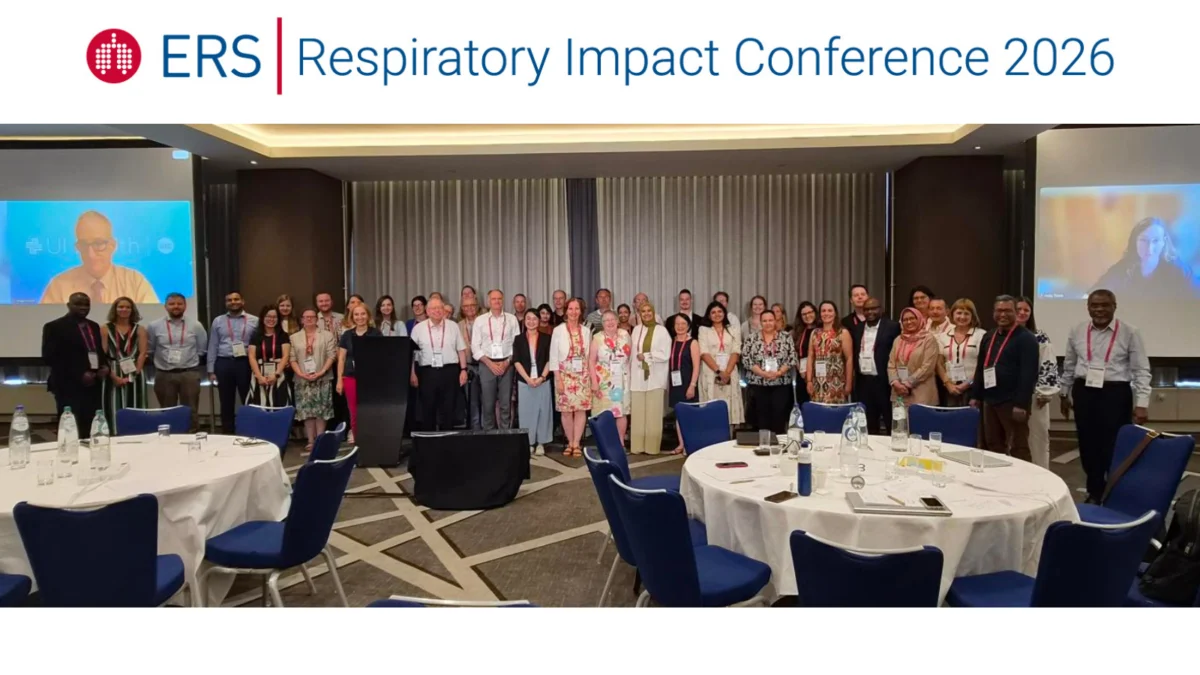
Seeking to dismantle these barriers, the European Respiratory Society (ERS) convened its inaugural Respiratory Impact Conference at the end of June 2026. This landmark event was designed as the first dedicated international forum focused exclusively on the implementation of evidence-based care in the field of respiratory medicine. By shifting the focus from discovery to delivery, the conference marked a pivotal shift in the ERS strategy, signaling a commitment to ensuring that scientific breakthroughs are not merely published, but practiced.
The Convergence of Expertise: A Multidisciplinary Approach
The event brought together a diverse, global cohort of experts from 38 countries, creating a unique cross-pollination of ideas. Unlike traditional medical conferences that often silo researchers from clinicians, the Respiratory Impact Conference was specifically curated to foster dialogue across the entire spectrum of the respiratory healthcare ecosystem.
Attendees included clinicians, clinical researchers, academic educators, health policymakers, implementation scientists, and—crucially—patient representatives. This multidisciplinary assembly underscored a fundamental truth in public health: scientific advancement is hollow if it fails to integrate the lived experience of patients and the operational realities of healthcare policy.
The inclusion of patient representatives served as a constant reminder that the end goal of all research, implementation science, and policy development is the improvement of human health and the reduction of the global burden of chronic respiratory diseases.
Chronology of the Event: From Vision to Action
The conference was structured to facilitate both high-level strategic discussion and granular, actionable methodology.
Opening the Dialogue
The event commenced with a powerful keynote address by José Luis Castro, Director-General Special Envoy for Chronic Respiratory Diseases for the World Health Organization (WHO). Castro’s address served as the intellectual anchor for the conference, grounding the subsequent technical sessions in the broader context of global health policy. By framing respiratory health as an essential component of sustainable development, Castro challenged participants to view implementation not as a secondary concern, but as a core requirement for global equity.
Deep-Dive Workshops
Following the opening plenary, the middle days of the conference were dedicated to interactive workshops. These sessions moved beyond theory, offering participants practical tools for "implementation science"—the study of methods to promote the uptake of research findings into routine healthcare. Topics ranged from digital health integration and patient self-management programs to the restructuring of primary care pathways in resource-constrained environments.
Synthesis and Future Mapping
The final sessions were dedicated to the synthesis of findings. Experts engaged in roundtable discussions aimed at producing actionable white papers. These documents, which will be released by the ERS in the coming months, are expected to provide a roadmap for healthcare systems to bridge the gap between evidence and practice.
Supporting Data: The Case for Implementation Science
The necessity of this conference is backed by a growing body of evidence suggesting that the "care gap" is widening. According to recent health metrics, despite the availability of effective inhaler therapies and smoking cessation protocols, a significant percentage of patients with Chronic Obstructive Pulmonary Disease (COPD) and asthma remain undiagnosed or inadequately treated.
- The Implementation Gap: Studies indicate that it can take an average of 17 years for just 14% of new scientific discoveries to enter day-to-day clinical practice.
- The Global Burden: Chronic respiratory diseases remain a leading cause of mortality worldwide. The World Health Organization estimates that hundreds of millions of people suffer from chronic respiratory conditions, many of which are preventable or manageable with existing, low-cost interventions.
- Economic Impact: The economic burden of respiratory disease—measured in both direct healthcare costs and lost productivity—runs into the hundreds of billions of dollars annually. The ERS argues that investing in the "implementation infrastructure" is, therefore, a fiscally responsible strategy for national health services.
Official Perspectives: Translating Science into Life
The vision behind the conference was spearheaded by leading voices in the field, most notably Prof. Hilary Pinnock, ERS Education Council Chair and Professor of Primary Care Respiratory Medicine at The University of Edinburgh. As Conference Co-Chair, Prof. Pinnock provided clarity on where this new event fits into the established scientific landscape.
"ERS recognises that the translational pathway extends beyond ‘bench to bedside’ to encompass how effective treatments can be implemented in routine care to benefit the respiratory health of populations," Prof. Pinnock remarked. "The Respiratory Impact Conference complements the discovery science focus that has been served so well by the ERS Lung Science Conference. Together, these meetings represent the full spectrum of respiratory science—from understanding the mechanisms of disease and developing new therapies through implementation and population health."
This dual-pronged strategy—separating discovery (Lung Science) from delivery (Respiratory Impact)—allows the ERS to dedicate the appropriate focus to each. One conference fuels the engine of innovation, while the other ensures the engine is capable of driving meaningful change on a global scale.
The Three Pillars: Science, Education, and Advocacy
A recurring theme throughout the conference was the reliance on the "three pillars" of the ERS: Science, Education, and Advocacy. Prof. Pinnock emphasized that achieving real-world impact is impossible if these three pillars operate in isolation.
- Science: Provides the evidence base. Without high-quality research, implementation has no foundation.
- Education: Empowers clinicians and patients to understand and utilize the evidence. It bridges the knowledge-to-practice divide.
- Advocacy: Secures the political and financial willpower to change systems, ensuring that clinics are equipped and policies are supportive.
"The faculty and highly interactive sessions demonstrated that achieving impact relies on the three pillars of ERS working together," Pinnock noted. "It was inspiring to see so many disciplines coming together with a shared goal of improving respiratory health."
Implications: The Road Ahead
The conclusion of the conference marks only the beginning of a long-term strategic initiative. The implications of this event are threefold:
1. A Shift in Medical Curriculum
The ERS is expected to leverage the insights from this conference to update its educational resources, placing a stronger emphasis on implementation science in postgraduate training. The goal is to produce a new generation of respiratory specialists who are as adept at navigating healthcare systems as they are at diagnosing complex lung pathologies.
2. Influencing Policy
By aligning with the WHO’s goals for chronic disease management, the conference has provided a powerful platform for advocating for standardized, evidence-based care pathways. Policymakers who attended the event were presented with clear data on the cost-effectiveness of implementing existing guidelines, a narrative that is expected to inform national health strategies in the coming years.
3. Strengthening Global Partnerships
The diversity of the 38 countries represented at the conference has laid the groundwork for future international collaborations. By sharing both successes and failures in implementation, nations can avoid the "reinvention of the wheel" and accelerate the adoption of successful models of care.
Conclusion
The 2026 ERS Respiratory Impact Conference was more than a gathering of experts; it was a statement of intent. In an era where medical knowledge is doubling every few months, the ability to act upon that knowledge is the true measure of a healthcare system’s efficacy.
As the ERS looks toward the future, the lessons learned during those few days in June will likely echo through clinical practices and policy offices for years to come. By prioritizing the "how" of medicine alongside the "what," the ERS is ensuring that the future of respiratory health is not just about finding new answers, but about ensuring those answers reach the patients who need them most. The society extends its deepest gratitude to the speakers, faculty, and organizers who made this milestone possible, setting a new gold standard for medical conferences worldwide.