










For millions of individuals over the age of 50, the gradual blurring of the central field of vision is a terrifying reality. Age-related macular degeneration (AMD) has long been one of the leading causes of irreversible blindness worldwide, a condition characterized by the slow erosion of the retina’s central tissue. Until now, medical science has largely been relegated to the sidelines, offering treatments only for the most advanced stages of the disease, and even then, these interventions aim to manage symptoms rather than halt or reverse the underlying pathology.
However, a groundbreaking study published on June 24 in the journal Nature Communications may have fundamentally shifted our understanding of this condition. Researchers at the Washington University School of Medicine in St. Louis, in collaboration with an international team of scientists, have identified a potential therapeutic target that could revolutionize how we approach both macular degeneration and, potentially, certain forms of cardiovascular disease. By pinpointing a specific molecule involved in cholesterol metabolism—apolipoprotein M (ApoM)—the researchers have opened a new frontier in regenerative medicine.
The Mechanism of Decay: Why Our Eyes and Hearts Fail
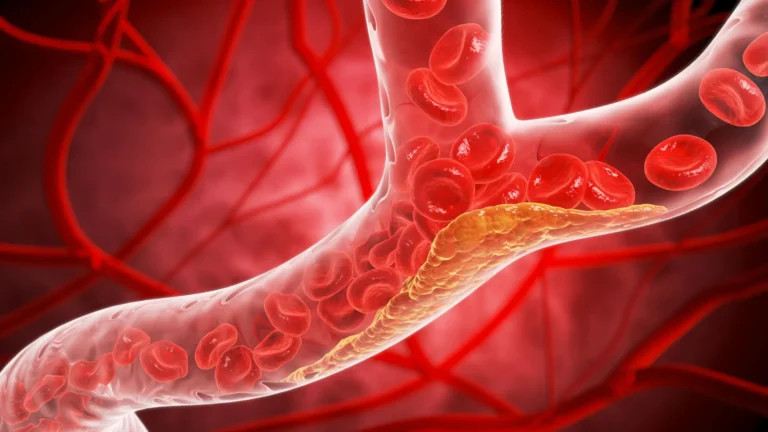
To understand the significance of this discovery, one must first understand the "clutter" that accumulates as we age. In the eyes of patients with AMD, ophthalmologists often observe cholesterol-rich deposits building up beneath the retina. These deposits act as a catalyst for a cascade of inflammatory responses, damaging the delicate cells responsible for clear, central vision.
In the early stages of the disease, patients may experience minimal visual disruption. However, as the deposits accumulate, they trigger chronic inflammation, leading to "dry" macular degeneration. This phase can progress to geographic atrophy—a form of neurodegeneration similar to the processes seen in Alzheimer’s disease—or evolve into the more aggressive "wet" form of the disease, where abnormal, leaky blood vessels cause rapid vision loss.
The researchers at WashU, led by senior author Rajendra S. Apte, MD, PhD, and co-senior author Ali Javaheri, MD, PhD, hypothesized that this process is not merely a localized eye issue, but a systemic failure of cholesterol processing. Their work confirms that ApoM, a protein that plays a vital role in maintaining healthy cholesterol metabolism and dampening inflammation, declines as we age. When ApoM levels drop, the body loses its ability to effectively "mop up" harmful lipids, leading to the toxic buildup seen in both the eyes and the heart.
Chronology of the Discovery
The road to this discovery began with the observation of a shared vulnerability. Both Dr. Apte, an ophthalmologist, and Dr. Javaheri, a cardiologist, noted that their respective patient populations suffered from similar issues related to lipid processing.
Phase 1: Identifying the Link
The research team began by analyzing human plasma samples to determine if circulating levels of ApoM correlated with disease states. They discovered that patients suffering from both macular degeneration and various forms of heart failure consistently displayed lower levels of ApoM compared to healthy control groups. This was the "smoking gun" that suggested a common metabolic culprit.
Phase 2: Mouse Models and Verification
With a clear correlation established, the team transitioned to mouse models to observe the causality. By genetically modifying mice to lack or possess varying levels of ApoM, the researchers were able to witness the direct impact of the molecule on retinal health. Mice with higher levels of ApoM showed significantly less lipid accumulation and better function in the retina’s light-sensing cells.
Phase 3: The Signaling Pathway
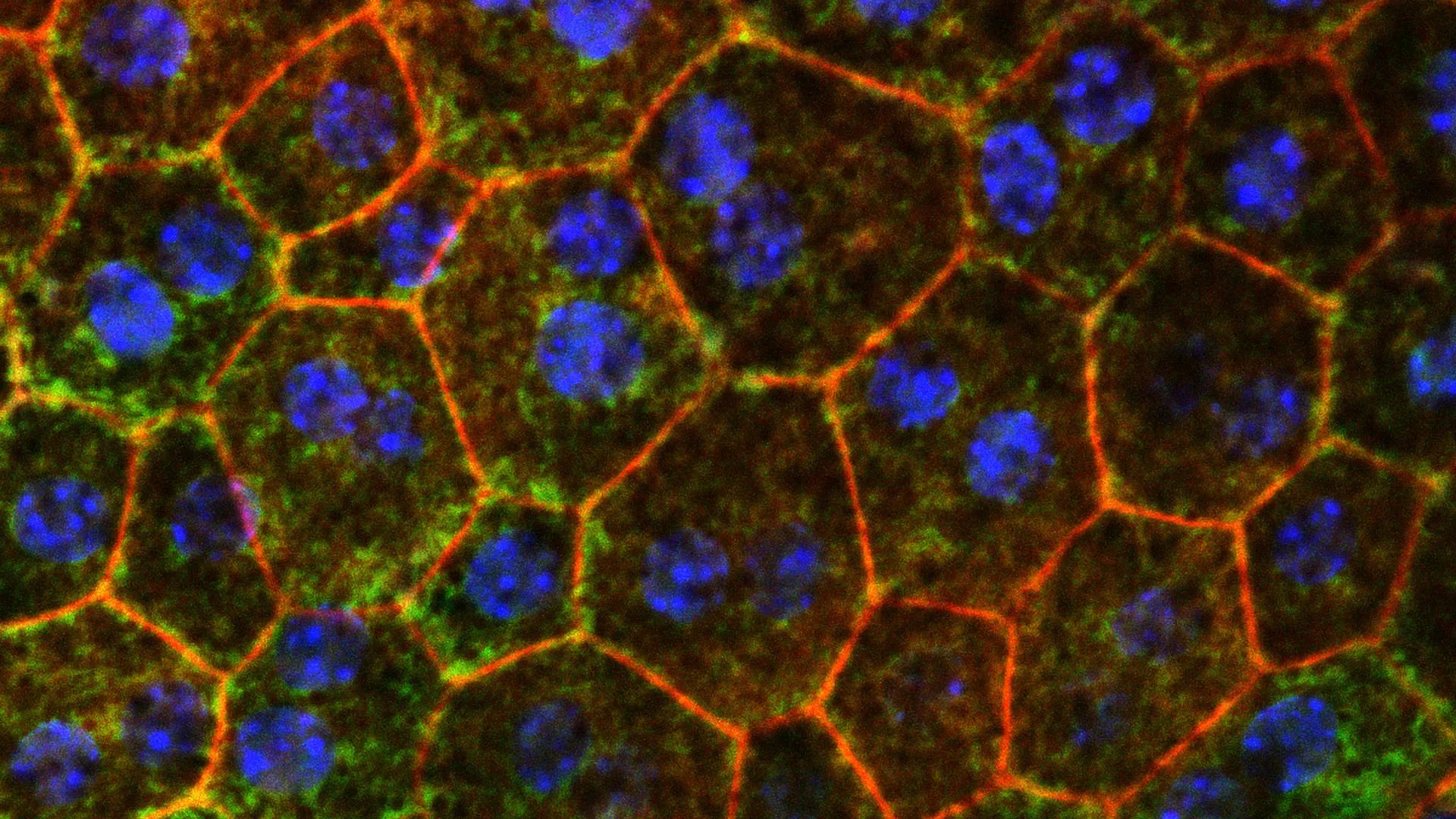
The researchers further refined their findings by identifying how ApoM works: it acts as a transporter for sphingosine-1-phosphate (S1P), a lipid signaling molecule. When bound together, the ApoM-S1P complex triggers a signaling pathway that encourages lysosomes—the "garbage disposal" units of the cell—to break down cholesterol. Without sufficient ApoM, these lysosomes remain stagnant, and the cholesterol-rich debris accumulates, leading to cellular death.
Supporting Data: The Role of ApoM in Cellular Health
The data gathered throughout the study provides a robust argument for ApoM as a therapeutic target. The experiments revealed that:
- Lipid Clearance: ApoM is essential for the function of "good cholesterol" (HDL) in removing excess lipids from tissues.
- Lysosomal Efficiency: In the absence of adequate ApoM, cells in the retina and heart muscle struggle to process and dispose of lipid waste.
- Visual Preservation: Plasma transfer of ApoM into mice models of AMD resulted in immediate improvements in retinal health and a reduction in the inflammatory markers that typically precede cell death.
- Dual-Organ Benefit: Because the same cholesterol-processing pathways are utilized by the heart and the retina, the researchers observed that therapies increasing ApoM could potentially stave off both blindness and cardiac failure.
Official Responses and Expert Perspective
The significance of this study is underscored by the tone of its authors, who view this as a potential paradigm shift in geriatric medicine.
"Our study points to a possible way to address a major unmet clinical need," said Dr. Apte, who holds the Paul A. Cibis Distinguished Professorship of Ophthalmology and Visual Sciences. "Current therapies that reduce the chance of further vision loss are limited to only the most advanced stages of macular degeneration and do not reverse the disease. Our findings suggest that developing treatments that increase ApoM levels could treat or even prevent the disease and therefore preserve people’s vision as they age."
Dr. Javaheri echoed this sentiment, highlighting the interdisciplinary nature of the work. "One of the exciting things about this collaboration is realizing the links between retinal pigment epithelial cells and heart muscle cells, which are both vulnerable to low ApoM," he noted. "It is possible that the interaction between ApoM and S1P is regulating cholesterol metabolism in both cell types. We look forward to exploring strategies to increase ApoM in ways that could help the eye and the heart maintain healthy cholesterol metabolism over time."
Implications for Future Treatment
The implications of this study reach far beyond the laboratory. By identifying a molecular "master switch" for lipid processing, the researchers have created a blueprint for a new class of drugs.
Moving Toward Commercialization
Recognizing the potential for a clinical breakthrough, Drs. Apte and Javaheri took proactive steps to bring their research to the public. In 2022, working with the Washington University Office of Technology Management (OTM), they launched a startup company called Mobius Scientific. The company is currently working to translate these academic findings into viable therapeutic approaches, such as small-molecule drugs or gene therapies designed to restore or boost ApoM levels in aging patients.
A New Era for Preventative Ophthalmology
If clinical trials prove successful, the standard of care for macular degeneration could shift from reactive treatment—where physicians wait for vision loss to become apparent—to preventative maintenance. By monitoring ApoM levels in the blood, clinicians might one day be able to identify "at-risk" patients years before the first symptoms of vision loss appear, administering therapies to clear cholesterol deposits before they cause irreversible damage to the retina.
The Cardiovascular Connection
Furthermore, the discovery bridges the gap between ophthalmology and cardiology. As the population ages, the burden of both heart failure and degenerative eye disease continues to grow. A treatment that optimizes cholesterol metabolism could provide a dual benefit, offering a systemic approach to healthy aging. This represents a move away from siloed medicine, where eye health and heart health are managed by separate specialists, toward a more holistic view of the body’s metabolic aging processes.
Conclusion: A Vision for the Future
The study published in Nature Communications is a testament to the power of collaborative, interdisciplinary research. By looking at the "clutter" in the eye and the heart through the lens of a shared metabolic failure, the team at Washington University has illuminated a path that may lead to the preservation of sight for millions. While the journey from mouse models to human clinical trials is complex and filled with rigorous regulatory hurdles, the identification of ApoM as a therapeutic lever provides the medical community with a clear, promising, and long-awaited direction. As Mobius Scientific and other researchers continue to refine these findings, the prospect of halting, or even reversing, the tide of age-related blindness feels closer than ever before.