










In the landscape of modern medicine, we are accustomed to treating diseases in silos: a cardiologist manages the heart, a nephrologist tends to the kidneys, and an endocrinologist addresses metabolic concerns like diabetes. However, a groundbreaking shift in medical understanding is challenging this fragmented approach. At the center of this shift is a newly defined condition known as Cardiovascular-Kidney-Metabolic (CKM) syndrome.
Despite affecting nearly 90% of the U.S. adult population—a staggering figure that underscores its prevalence—CKM syndrome remains largely unknown to the general public. A comprehensive new survey conducted by The Harris Poll on behalf of the American Heart Association (AHA) reveals a critical gap in health literacy. While the term may be unfamiliar to the average person, the components of the syndrome are household words: high blood pressure, abnormal cholesterol, elevated blood sugar, obesity, and declining kidney function.
As the medical community prepares to formalize clinical guidelines for CKM syndrome in 2026, experts are calling for a radical rethinking of how we perceive, prevent, and treat the interconnected systems that sustain human life.
The Anatomy of CKM Syndrome: Why Connectivity Matters
To understand CKM syndrome, one must first view the body not as a collection of independent organs, but as a deeply integrated network. The "CKM" acronym represents the three pillars of internal health: the cardiovascular system (the heart and blood vessels), the renal system (the kidneys), and the metabolic system (the processes that create and store energy).
The Harmful Cycle
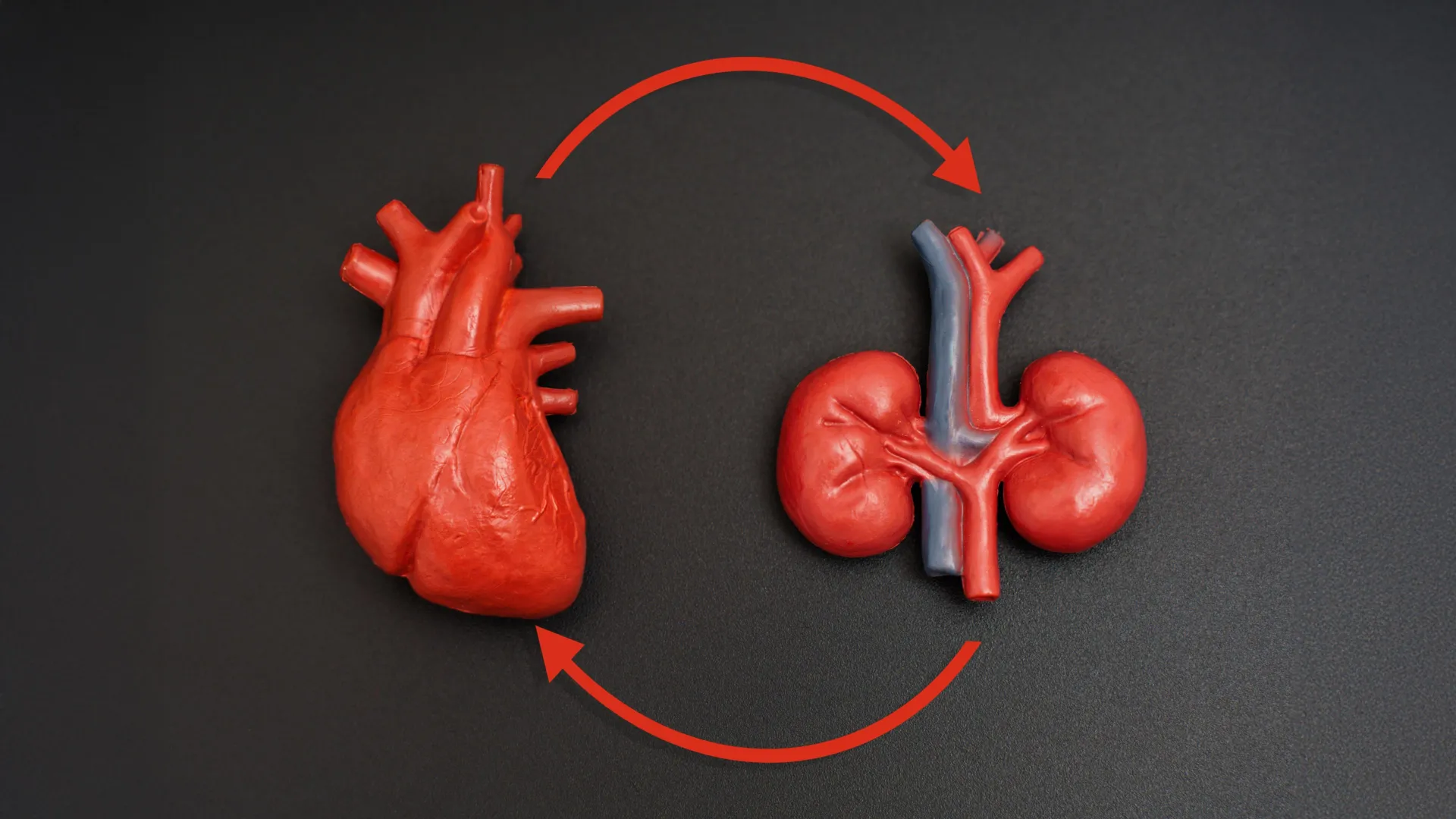
These systems operate in a symbiotic feedback loop. The metabolic system, responsible for regulating blood glucose and weight, serves as the engine of the body. When this system falters—often due to poor nutrition or physical inactivity—it places immediate stress on the kidneys, which must filter excess waste and regulate fluid balance. Simultaneously, the cardiovascular system is taxed as it struggles to pump blood through a body burdened by systemic inflammation and arterial strain.
When these risk factors occur in isolation, they are manageable. When they occur together, they amplify one another, creating a "domino effect" that drastically increases the risk of catastrophic events, including heart attacks, strokes, and heart failure. The primary mission of the CKM framework is to catch these dominoes before they start to fall.
Chronology: From Fragmented Care to Unified Strategy
The emergence of the CKM syndrome concept is the result of years of observational data highlighting the failure of traditional, specialized care models.
- Pre-2023: Medical professionals increasingly noticed that patients with diabetes (metabolic) were disproportionately suffering from kidney disease (renal) and heart disease (cardiovascular). However, clinical pathways remained largely separated by department.
- 2024: The American Heart Association began aggressive efforts to define the "CKM" classification, arguing that the medical industry could no longer afford to treat patients as "a heart" or "a kidney" but must treat the "whole patient."
- August 2025: The Harris Poll conducts a nationwide survey of over 4,000 U.S. adults to gauge awareness. The results confirm that while the public is largely unaware of the term "CKM syndrome," there is an overwhelming appetite for education once the concept is explained.
- Early 2026 (Forthcoming): The American Heart Association is scheduled to release the first-ever set of formal clinical guidelines for CKM syndrome, which will serve as a roadmap for doctors to transition from specialized care to interdisciplinary, collaborative management.
Supporting Data: The Scale of the Crisis
The data provided by the American Heart Association’s 2025 survey is sobering. With nearly 90% of U.S. adults harboring at least one risk factor for CKM syndrome, the condition is not a fringe issue—it is a societal health crisis.
Key Survey Findings
The survey, which utilized a Bayesian credible interval to ensure high statistical precision (± 2.0 percentage points), revealed several critical insights:
- Low Brand Recognition: A significant majority of participants reported having never heard of "CKM syndrome" prior to the survey.
- High Receptivity: Once the concept was explained, nearly three-quarters of respondents identified the syndrome as a significant health priority and expressed a strong desire to learn more about preventative measures.
- The Interdisciplinary Gap: Patients frequently reported confusion when navigating multiple specialists, highlighting a disconnect in how different physicians communicate regarding a patient’s comprehensive health profile.
The statistical weight of these findings—based on a diverse cohort of 4,007 adults—reflects a population that is increasingly aware of their personal health markers (like weight and blood sugar) but unaware of how those markers interact to form a singular, dangerous syndrome.
Official Perspectives: A Call for Collaborative Care
Dr. Eduardo Sanchez, the American Heart Association’s chief medical officer for prevention, has been at the forefront of the CKM initiative. His messaging is clear: the siloed approach to medicine is a relic of the past.
"We want people to know that it’s really common to have heart, kidney and metabolic risk factors at the same time," Dr. Sanchez stated. "It is reassuring that once the CKM connection was defined, nearly three-quarters of those responding understood that it was important and wanted to learn more."
According to Dr. Sanchez, the goal is not to alarm the public, but to empower them. "The heart, kidney and metabolic systems are connected and, as such, should be treated in a coordinated way," he added. "These results reveal the need to emphasize those connections and help patients understand the importance of collaborative care."
The AHA’s strategy is twofold: educating the patient and transforming the provider. By providing digital hubs and resources at heart.org/CKMtools, the Association is attempting to bridge the knowledge gap, while simultaneously lobbying for a standard of care where cardiologists, nephrologists, and endocrinologists actively coordinate their treatment plans.
Implications: The Path to Reversal and Prevention
Perhaps the most optimistic takeaway from the rise of CKM syndrome as a clinical focus is that it is often reversible. Unlike genetic conditions that are immutable, CKM syndrome is largely driven by lifestyle and environmental factors.
The Power of Lifestyle Intervention
For the vast majority of the population, CKM syndrome can be mitigated—and in many cases, reversed—through:
- Nutritional Optimization: Shifting away from processed, high-sodium, and high-sugar diets that drive metabolic dysfunction.
- Consistent Physical Activity: Enhancing the body’s metabolic rate and reducing the burden on the cardiovascular system.
- Proactive Medical Management: Regularly monitoring blood pressure, cholesterol, blood glucose, and kidney function.
A New Standard for Patient Advocacy
The emergence of CKM syndrome implies that the burden of health is shifting. Patients are being encouraged to act as the "quarterbacks" of their own health teams. By understanding that a change in one area—such as improving blood sugar control—directly benefits the kidneys and heart, patients can take a more proactive role in their own long-term wellness.
The American Heart Association’s upcoming 2026 guidelines will likely codify this approach, providing physicians with a concrete framework for assessing a patient’s "CKM stage." This will allow doctors to intervene earlier, shifting the focus from treating late-stage organ failure to preventing the initial onset of metabolic and cardiovascular strain.
Conclusion: Moving Toward a Unified Future
The transition toward recognizing CKM syndrome as a unified health category marks a turning point in 21st-century medicine. It represents a move away from the "fix-it-when-it-breaks" model of treating individual symptoms and toward a holistic, preventative strategy that views the body as a single, interdependent entity.
While the current lack of public awareness is a hurdle, the survey data suggests that the public is ready for this change. With the right resources, education, and clinical cooperation, CKM syndrome may eventually be seen not as an inevitable consequence of aging, but as a manageable health state that can be steered in a healthier direction through early action and systemic integration.
For those interested in exploring their own health status, the American Heart Association recommends visiting their resource hub at heart.org/CKMtools. As we look toward 2026 and the implementation of new clinical guidelines, the message is clear: when it comes to the heart, kidneys, and metabolism, the whole is far greater than the sum of its parts—and the health of that whole is entirely within our reach.
Research Methodology Note: The research was conducted online in the United States by The Harris Poll on behalf of the American Heart Association among 4,007 U.S. adults aged 18+. The survey was conducted between August 6 and August 22, 2025. Data were weighted to reflect population proportions across education, age, gender, race/ethnicity, region, household income, and other key demographics.