







In the landscape of modern medicine, few challenges are as persistent or as lethal as the aftermath of a heart attack. Every year, approximately 785,000 Americans experience a myocardial infarction, an event that leaves behind a permanent legacy of scarred, non-contractile tissue. This structural compromise often serves as the precursor to congestive heart failure, a debilitating condition for which current medical science offers mostly management rather than true biological restoration.
However, a breakthrough in bioengineering from the University of California San Diego (UCSD) is poised to rewrite the script on cardiac recovery. Researchers have developed a novel, injectable biomaterial capable of traveling through the bloodstream to reach damaged tissue, effectively turning the body’s vascular network into a highway for regenerative repair.
The Core Innovation: Engineering a Regenerative Infusion
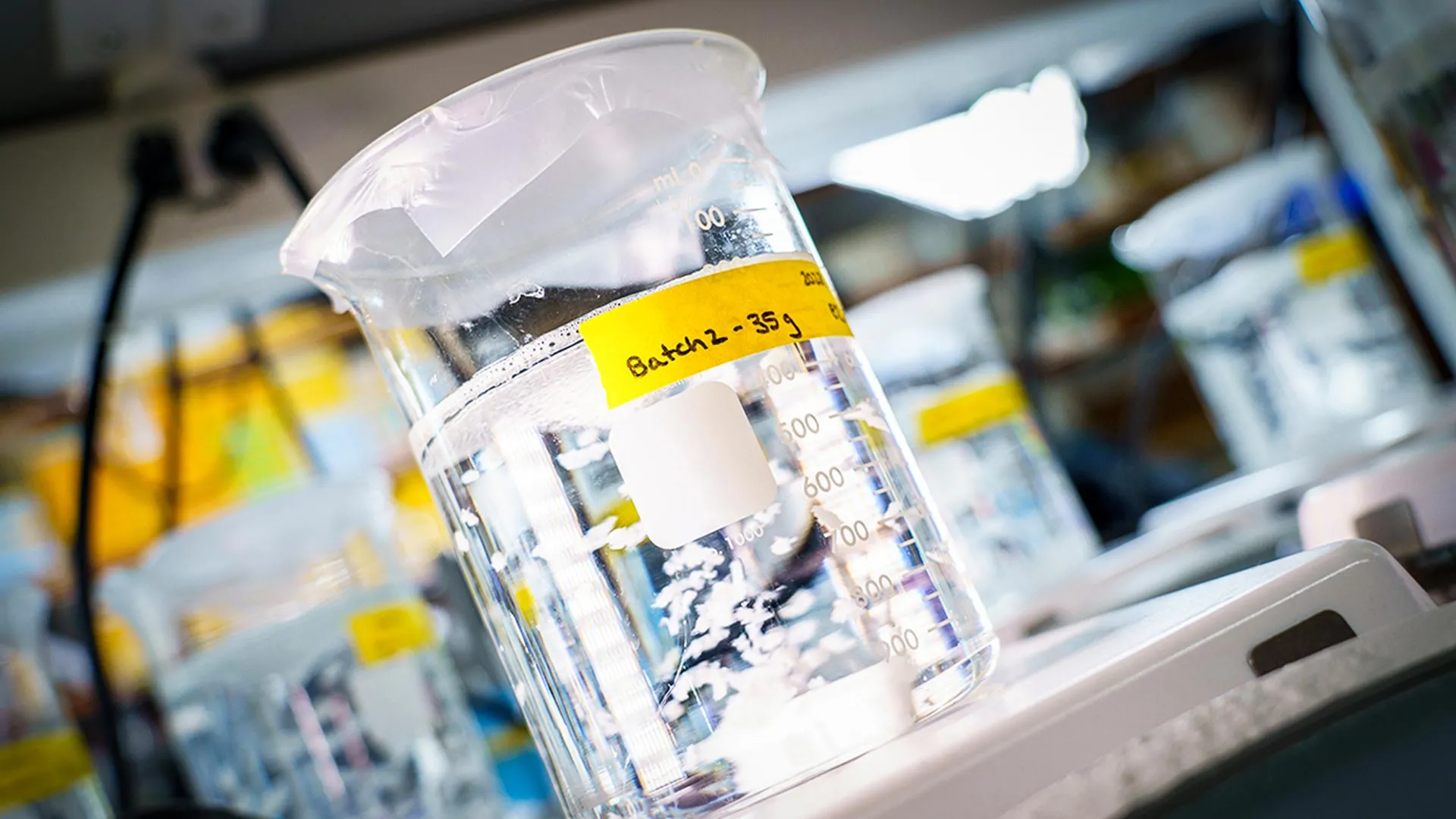
The biomaterial is derived from the extracellular matrix (ECM) of cardiac muscle—the natural scaffolding that holds heart cells together. By decellularizing, enzymatically digesting, and fractionating this material, the team created a liquid precursor that can be refined into a therapeutic agent.
The primary hurdle in previous iterations of this technology was particle size. Earlier hydrogels required direct, needle-based injection into the heart muscle, a procedure that carries inherent risks and cannot be performed during the acute phase of a heart attack. By utilizing centrifugal processing and dialysis, the UCSD team, led by Professor Karen Christman, successfully isolated nano-sized particles. This refined material can be delivered intravenously or via coronary artery infusion, allowing it to reach previously inaccessible injured tissue.
A Chronology of Discovery: From Hydrogels to Nanoparticles
The evolution of this therapy is a testament to the iterative nature of scientific progress:
- 2019: The team achieved a significant milestone with the publication of Phase 1 clinical trial results for "VentriGel." This hydrogel was designed for direct, catheter-based injection into the heart wall. While it proved safe and feasible for patients with left ventricular dysfunction, the researchers acknowledged that the physical needle-based delivery was a limiting factor in emergency clinical settings.
- 2022: Building on the VentriGel foundation, the team published a landmark study in Nature Biomedical Engineering. This study introduced the intravascularly infused version of the ECM biomaterial, demonstrating its ability to localize to injured tissue in both rodent and porcine models.
- 2025: A follow-up study published in Nature Communications utilized advanced spatial transcriptomics and single-nucleus RNA sequencing to provide a high-resolution map of how these ECM biomaterials interact with the heart at a cellular level, revealing complex pathways involving immune modulation and neurogenesis.
- Present Day: The technology is currently moving toward regulatory pathways, with startup entity Ventrix Bio, Inc. spearheading efforts to translate these experimental successes into human clinical trials.
Supporting Data: Mechanisms of Action
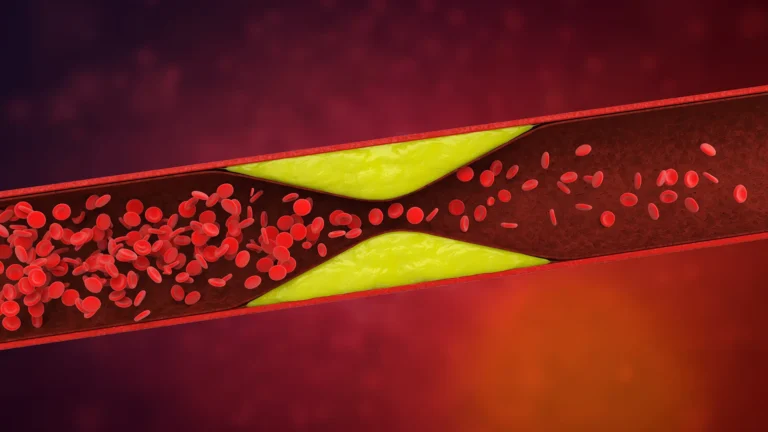
The efficiency of the biomaterial relies on its unique "homing" capability. In the immediate aftermath of a heart attack, the endothelial cells lining the blood vessels undergo structural changes, creating gaps that typically allow for inflammation and further cellular damage.
When the biomaterial is infused, it does not merely pass through these vessels; it actively binds to the leaky microvasculature. By sealing these gaps, the material helps stabilize the vessel wall and accelerates healing. The data from the porcine models was particularly compelling: animals treated with the infusion showed statistically significant reductions in left ventricular volumes and improved wall motion scores—key metrics that directly correlate with a better prognosis for heart failure patients.
Furthermore, the 2025 Nature Communications study elucidated that the biomaterial’s influence extends far beyond structural support. It modulates the immune system to reduce harmful inflammation while simultaneously stimulating pro-repair signals that encourage fibroblast activation and the development of new blood and lymphatic vessels.
Official Perspectives: The Clinical Imperative
The medical community has greeted these findings with cautious optimism, recognizing the potential to fill a massive void in standard cardiac care.
Dr. Ryan R. Reeves, a physician in the UCSD Division of Cardiovascular Medicine, emphasizes the practical utility of the treatment. "Coronary artery disease, acute myocardial infarction, and congestive heart failure continue to be the most burdensome public health problems affecting our society today," Dr. Reeves noted. "As an interventional cardiologist, who treats patients with coronary artery disease and congestive heart failure on a daily basis, I would love to have another therapy to improve patient outcomes and reduce debilitating symptoms."
Professor Karen Christman, the lead researcher, views the breakthrough as a fundamental shift in the paradigm of regenerative engineering. "This biomaterial allows for treating damaged tissue from the inside out," Christman said. "It’s a new approach to regenerative engineering."
The project’s lead author, Martin Spang, who completed his Ph.D. under Christman, highlighted the potential for the technology to transcend cardiac care. "While the majority of work in this study involved the heart, the possibilities of treating other difficult-to-access organs and tissues can open up the field of biomaterials into treating new diseases," Spang explained.
Broadening the Scope: Beyond the Heart
While the focus remains on myocardial infarction, the underlying technology offers a "platform" potential. Because the biomaterial utilizes the body’s existing vascular infrastructure, it is inherently agnostic to the specific organ it targets, provided that the organ’s microvasculature is compromised.
Preliminary proof-of-concept experiments have already suggested efficacy in treating traumatic brain injury and pulmonary arterial hypertension. In these conditions, as in heart attacks, the primary pathological event involves localized tissue damage and an inflammatory response that is exacerbated by leaky or damaged blood vessels. If the biomaterial can be successfully deployed in these contexts, it could signify a transition from organ-specific therapies to a systemic approach to tissue repair.
Implications for Future Medicine
The transition of this biomaterial from the laboratory to the bedside is the next major milestone. The primary hurdle for the upcoming human trials will be demonstrating not only safety but also the clinical significance of the repair. Can the reduction in scarring be sustained over years? Will the improvement in wall motion correlate with a reduced rate of hospitalizations for heart failure?
Ventrix Bio, Inc. is currently working to navigate the FDA approval process. Concurrently, other applications of the ECM technology are moving forward, such as a phase 1 open-label study for children with hypoplastic left heart syndrome, signaling that the medical community is ready to embrace this new generation of regenerative tools.
A New Standard of Care?
If approved, the intravenous delivery method would be transformative. Unlike surgical interventions that require extensive recovery times or specialized surgical suites, this treatment could theoretically be administered during standard procedures like angioplasty or stenting.
For the millions living with the shadow of a previous heart attack, or those currently in the acute window of a cardiac event, the prospect of a "healing infusion" represents more than just medical innovation. It represents a potential exit ramp from the progressive, downward spiral of heart failure. By treating the injury at the cellular level, while the damage is still fresh, this biomaterial offers a rare promise: the ability to help the heart heal itself, rather than simply patching the damage after it is already done.
As the field of regenerative medicine continues to mature, the work being done at UC San Diego stands as a beacon of what is possible when bioengineering meets clinical necessity. While the road to full regulatory approval remains long, the success of the intravascular approach has already fundamentally changed the conversation about what constitutes "recoverable" tissue, suggesting that the most effective way to repair an organ might be to use the very network that once sustained it.