








For billions of people around the world, the morning ritual is non-negotiable. Whether it is a quick espresso shot, a meticulously brewed pour-over, or a classic drip coffee, the global appetite for caffeine is immense. On average, we consume nearly two kilos of coffee per person annually. Yet, as we refine our preferences for specific roasts, origins, and preparation methods, a lingering medical question remains: how does our favorite stimulant impact our cardiovascular health, specifically our blood pressure?
The answer is not a simple "yes" or "no." It is a nuanced interplay of genetics, metabolism, and the complex chemical profile of the coffee bean itself. While caffeine is a well-known stimulant, coffee is far more than just a delivery system for a morning jolt.
Understanding the Physiology: What is High Blood Pressure?
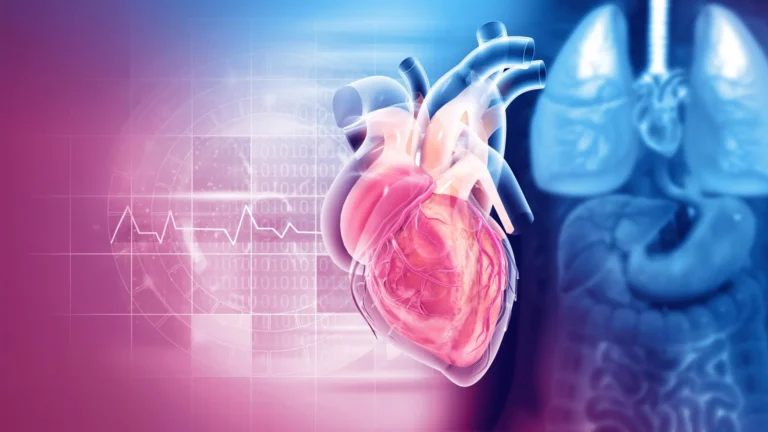
To understand how coffee interacts with our cardiovascular system, we must first define the baseline. Blood pressure is the force exerted by circulating blood against the walls of our arteries. It is expressed through two primary metrics: systolic pressure (the pressure when the heart beats) and diastolic pressure (the pressure when the heart rests between beats).
A "normal" blood pressure reading is generally defined as below 120/80 mm Hg. Hypertension—or high blood pressure—is diagnosed when those numbers consistently climb to 140/90 mm Hg or higher.
The clinical danger of hypertension lies in its "silent" nature. It rarely presents with overt symptoms, yet if left unmanaged, it acts as a slow-moving catalyst for severe health crises. Untreated hypertension forces the heart to work harder, accelerating the wear and tear on arteries and significantly increasing the risk of myocardial infarction (heart attack), stroke, and chronic kidney disease. Statistics are sobering: approximately 31% of the global adult population suffers from hypertension, and alarmingly, half of those individuals are unaware of their condition. Even among those receiving treatment, nearly 47% struggle to keep their levels within the target range.
The Caffeine Mechanism: A Chronology of Consumption
When you take that first sip of coffee, a rapid physiological chain reaction begins. Caffeine acts as a potent muscle stimulant. Upon ingestion, it is absorbed into the bloodstream, reaching peak concentration levels anywhere from 30 minutes to two hours later.
The Immediate Response
Once in the system, caffeine triggers the adrenal glands to release adrenaline. This "fight-or-flight" hormone causes the heart to beat more rapidly and prompts blood vessels to constrict. The result is a short-term, acute increase in blood pressure. Research indicates that systolic pressure can rise by 3–15 mm Hg, while diastolic pressure may see an increase of 4–13 mm Hg following consumption.
The Metabolism Factor
The duration of this effect depends on how quickly your body clears the caffeine, a process measured by its "half-life"—the time it takes for blood levels to drop by 50%. Typically, this takes three to six hours, but the variance is significant. Factors influencing this include:
- Genetics: Our individual metabolic speed is hardwired, determining whether we are "fast" or "slow" metabolizers.
- Tolerance: Regular consumers often develop a tolerance, allowing them to clear caffeine more efficiently than occasional drinkers.
- Age: Biological maturity plays a role, with younger individuals and children metabolizing caffeine differently than older adults.
Beyond Caffeine: The Phytochemical Complexity of Coffee
While caffeine often takes the spotlight, it is merely one of hundreds of bioactive compounds found in coffee. These phytochemicals—naturally occurring plant chemicals—contribute not only to the aroma and flavor of your cup but also to its biological impact.
Some of these compounds may actually act as a counterbalance to the hypertensive effects of caffeine. For instance, melanoidins—the brown pigments formed during the roasting process—have been shown to help regulate fluid volume in the body and influence enzymes that manage blood pressure.

Furthermore, quinic acid, another prevalent compound in coffee, has been linked to improved endothelial function. By strengthening the lining of the blood vessels, quinic acid allows the vascular system to better accommodate fluctuations in blood pressure, potentially mitigating the "spike" caused by caffeine. This suggests that the whole-bean experience is vastly different from consuming pure caffeine in the form of energy drinks or pharmaceutical stimulants.
The Evidence: Can Coffee Cause Hypertension?
For years, patients have been advised to limit coffee consumption if they suffer from high blood pressure. But does the data support this?
A landmark review of 13 studies, encompassing 315,000 participants, investigated the longitudinal link between coffee intake and the development of hypertension. Over the course of the studies, 64,650 participants developed the condition. The researchers found no significant association between regular coffee consumption and the onset of hypertension. Variables such as gender, the quantity consumed, and whether the coffee was caffeinated or decaffeinated did not change the outcome.
The Severity Caveat
However, context matters. A significant study from Japan followed 18,000 adults aged 40 to 79 for nearly two decades. While coffee consumption appeared harmless for those with normal blood pressure or mild (Grade 1) hypertension, the narrative shifted for those with severe (Grade 2–3) hypertension. In this specific cohort, drinking two or more cups of coffee daily was associated with a doubling of the risk of cardiovascular-related death.
This suggests that while coffee may not cause hypertension, it may pose a risk to those whose cardiovascular systems are already significantly compromised.
Clinical Implications and Official Guidance
The prevailing consensus among health professionals is that for the vast majority of the population, moderate coffee consumption is not a threat to heart health. However, the "moderation" threshold is personal.
When to Consult a Doctor
If you have been diagnosed with severe hypertension or existing heart disease, the standard "everything in moderation" advice may not apply. Because caffeine affects individuals differently based on their genetic metabolic profile, it is imperative to discuss your intake with a healthcare provider. They may recommend monitoring your blood pressure before and after your morning cup to see how your specific body responds.
Practical Strategies for Coffee Lovers
- Know Your Numbers: Because hypertension is asymptomatic, you cannot rely on how you "feel" to determine if your blood pressure is high. Regular screenings are the only way to establish a baseline.
- Monitor Your Sensitivity: If you notice palpitations or a significant rise in your blood pressure readings after coffee, consider switching to lower-caffeine options or decaffeinated varieties, which retain many of the beneficial phytochemicals without the acute stimulant effect.
- Avoid the "Sugar Trap": Many of the negative health associations with coffee consumption in modern diets stem not from the coffee itself, but from the additives—excessive sugar, syrups, and high-fat creams that contribute to weight gain and inflammation, both of which are major drivers of high blood pressure.
- Listen to Your Liver: Since the liver is the primary site of caffeine metabolism, those with existing liver conditions should be particularly cautious about their daily intake levels.
Conclusion
The science regarding coffee and blood pressure is a reminder that health is rarely dictated by a single food or drink. While caffeine does provide a temporary, measurable increase in blood pressure, this is generally a transient event that the healthy body is well-equipped to handle.
For the average person, coffee is not a villain; it is a complex, rich beverage that may even offer protective cardiovascular benefits through its diverse array of phytochemicals. The key to enjoying your morning brew lies in understanding your own health status, listening to how your body reacts to stimulants, and keeping an open dialogue with your medical team. You don’t need to give up your morning ritual—you just need to make sure that the ritual is working with your body, not against it.