











By Industry Desk
Published: Sept. 4, 2026
Medical device giant Boston Scientific has begun the painstaking process of restoring global distribution operations, one week after a sophisticated cyberattack paralyzed the company’s manufacturing and supply chain infrastructure. While the company has successfully resumed shipping for the majority of its product portfolio, the path to full operational recovery remains a complex logistical challenge.
The incident, which crippled the firm’s ability to process orders and move medical equipment from its distribution centers, marks a significant escalation in the series of digital threats facing the medtech sector. As Boston Scientific works to clear an mounting backlog of customer orders, stakeholders are closely monitoring the potential long-term impacts on the company’s 2026 financial outlook.
The Scope of the Disruption
The cyberattack, first disclosed via a securities filing late last month, effectively severed the digital arteries of the company’s global operations. For days, the medical device manufacturer—which provides critical life-saving equipment, ranging from cardiovascular stents to advanced surgical robotics—found its manufacturing lines stalled and its order-processing systems offline.
In an official update posted to its corporate website this past Thursday, Boston Scientific stated that it has made "progressive" strides in restoring functionality. "As capabilities are validated and brought back online, we are progressively moving customer orders through the fulfillment process," the statement read. "It will take time to work through the existing backlog of orders."
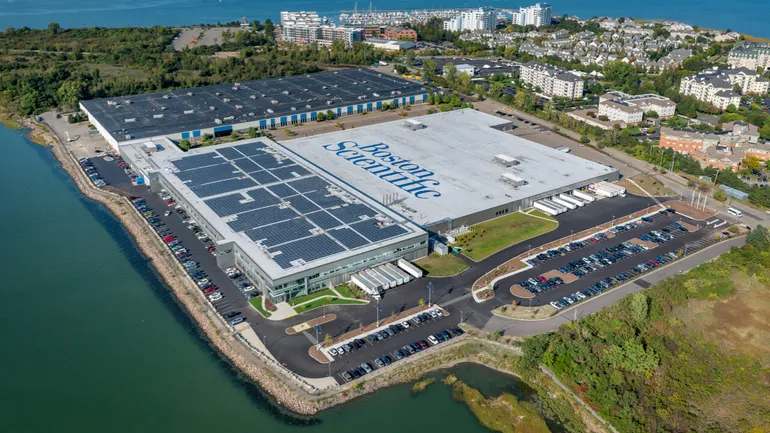
The disruption reached across both domestic and international borders, affecting the primary distribution hubs that serve hospitals and surgical centers globally. While electronic ordering capabilities have been restored, allowing healthcare providers to once again request necessary supplies, the fulfillment phase—the physical movement of goods—remains in a phased, recovery-oriented state.
Chronology of the Incident
The timeline of the crisis highlights the sudden nature of the breach and the immediate, albeit necessary, defensive measures taken by the company:
- Initial Discovery: Late August 2026, Boston Scientific detects unauthorized activity within its internal IT infrastructure, prompting an immediate defensive response.
- Operational Shutdown: To contain the spread of the malicious actors and protect sensitive corporate data, the company preemptively took key manufacturing and logistics systems offline.
- The "Blackout" Period: For several days, the company faced a complete halt in order processing, forcing hospitals to rely on existing inventory and causing concern among healthcare providers waiting for specialized equipment.
- Phased Restoration: By early September, the company successfully validated core IT security protocols, allowing for the partial resumption of shipping from major distribution centers.
- Ongoing Mitigation: As of September 4, 2026, the company continues to work alongside cybersecurity firm CrowdStrike and independent third-party experts to conduct a forensic investigation and bolster defenses.
Investigating the Breach: Security and Containment
In its most recent update, Boston Scientific expressed "growing confidence that the unauthorized access was limited to select internal-facing IT infrastructure." This distinction is critical, as it suggests the attack may not have compromised patient data or proprietary research and development intellectual property.
However, the company has remained tight-lipped regarding the specific nature of the attack—whether it was ransomware, a data exfiltration attempt, or a disruptive malware strain. When approached for comment regarding the current status of its manufacturing plants, the company deferred to its website, citing the ongoing sensitivity of the forensic investigation.
By partnering with CrowdStrike, a leader in endpoint protection and threat intelligence, Boston Scientific is signaling an aggressive stance toward remediation. The involvement of such high-level forensic experts is standard practice for Fortune 500 companies facing state-sponsored or sophisticated criminal cyber syndicates.

A Broader Trend: The Medtech Security Crisis
The attack on Boston Scientific is not an isolated event; it is part of a troubling, industry-wide pattern. Over the last six months, the medtech sector has become a primary target for digital adversaries, with companies including Stryker, Medtronic, Abbott, and Intuitive all reporting cybersecurity incidents.
The motivations for these attacks are often twofold: the high value of proprietary data and the extreme sensitivity of the manufacturing timelines. Because medical devices are essential for scheduled surgeries and emergency procedures, the pressure to pay a ransom or suffer a prolonged outage is immense.
Stryker’s experience earlier this year serves as a stark warning. In March, the company suffered an attack that mirrored the severity of the Boston Scientific incident, resulting in a total shutdown of manufacturing and distribution for several weeks. CEO Kevin Lobo later characterized the financial impact as "meaningful," noting that the disruption caused a ripple effect that marred the company’s first-quarter performance.
Implications for Boston Scientific’s Financial Health
The timing of this cyberattack could not be worse for Boston Scientific. The company has already faced a difficult 2026, having twice lowered its sales and earnings-per-share (EPS) guidance due to broader market headwinds and operational challenges within its key business units.
In its initial filing regarding the incident, the company stated it had not yet determined whether the attack would have a "material impact" on its annual financial results. However, market analysts are skeptical that such a significant disruption can be absorbed without consequence. The costs include not only the immediate loss of revenue from delayed shipments but also the unplanned expenses associated with forensic investigations, system upgrades, and potential legal liabilities if service-level agreements with hospitals were violated.

Furthermore, there is the issue of investor confidence. In an era where ESG (Environmental, Social, and Governance) criteria include robust cybersecurity posture, the repeated disruption of operations due to digital vulnerabilities can lead to institutional divestment.
The Road Ahead: Restoring Trust
For the thousands of hospitals and clinicians that rely on Boston Scientific’s catalog, the primary concern remains the availability of life-saving medical devices. The company’s focus must now be on two fronts:
- Supply Chain Normalization: Ensuring that the backlog is cleared efficiently without compromising the quality control protocols that define the medical device industry.
- Infrastructure Hardening: Moving beyond basic restoration to ensure that the "select internal-facing IT infrastructure" is shielded against future, more sophisticated vectors of attack.
The company has pledged to continue providing updates as the situation evolves. For now, the global medical community is waiting to see if this incident will be remembered as a short-term logistical hiccup or if it marks a deeper, more permanent struggle for one of the industry’s most significant players.
As the digital landscape becomes increasingly hostile, the incident at Boston Scientific serves as a reminder that for modern medical manufacturers, the firewall is just as important as the factory floor. The ability to defend the network is now synonymous with the ability to provide care.
Key Takeaways for Stakeholders
- Shipping Status: Global shipping is currently in a phased recovery; most products are moving, but full capacity has not yet been reached.
- Operational Integrity: The company confirms that unauthorized access appears contained to specific internal systems.
- Collaborative Response: The company is working with top-tier cybersecurity partners to ensure system integrity.
- Market Pressure: The incident adds significant pressure to a company that has already faced downward adjustments in its annual financial guidance.
- Industry Climate: This is the latest in a wave of attacks hitting the medical device sector, highlighting a systemic vulnerability across the industry.