







Introduction: The Ayurvedic Philosophy of Balance
Ayurveda, the ancient Indian system of holistic medicine, operates on a fundamental premise: health is not merely the absence of disease, but a dynamic state of equilibrium between the mind, body, and consciousness. When this delicate balance is disrupted, the body manifests psychosomatic disorders—physical ailments often rooted in emotional or energetic discord. To restore health, Ayurvedic practitioners assess the individual’s constitution and determine whether the primary intervention should be "pacification" (Shamanam) or "cleansing" (Shodanam).
In cases where a patient is physically depleted, weak, or nutritionally deficient, Shamanam is the indicated protocol. This approach focuses on removing the root cause of the distress while simultaneously nourishing the body to build internal strength. Once the patient has achieved a baseline of vitality, or in cases where the individual is robust enough to handle intensive detoxification, Shodanam—the systematic purification of the body—can begin. At the heart of this purification process lies Panchakarma, a suite of five therapeutic actions designed to purge the body of deep-seated toxins and restore the flow of Prana, or vital life force.
The Physiology of Nasya: The Nose as the Gateway
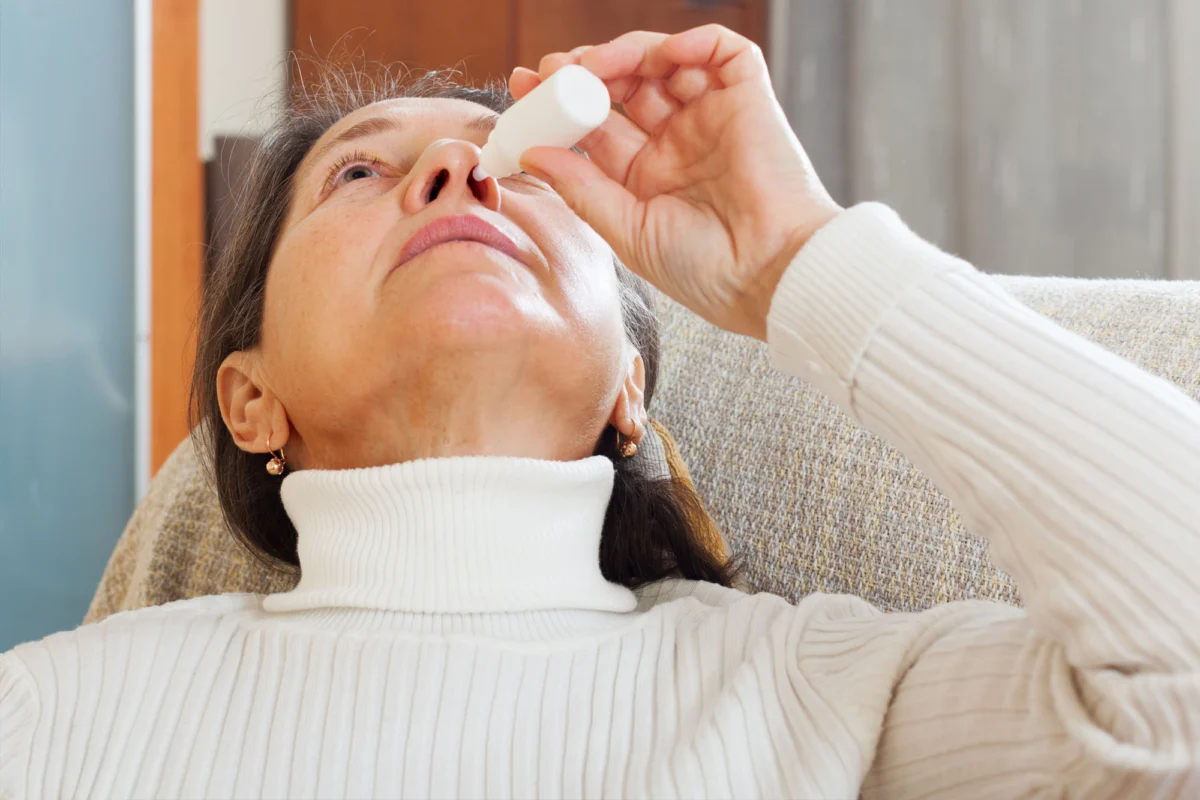
Within the framework of Panchakarma, Nasya—the nasal administration of herbal medicines—holds a place of particular importance. In Ayurveda, the nose is considered the gateway to the brain and the doorway to consciousness.
The Mechanism of Action
When medicinal substances are inhaled or dropped into the nasal cavity, they do not merely act locally on the sinuses; they exert a direct influence on the Majja Dhatu (the nervous system and brain tissue). Modern physiological understanding aligns with this ancient wisdom: the nasal route provides a pathway to the brain via the cribriform plate.
Upon inhalation, the administration of herbal preparations stimulates the meninges—the protective membranes covering the brain and spinal cord. This interaction triggers a rhythmic pumping action of the diaphragm, which, in turn, influences the circulation of cerebrospinal fluid. This process facilitates improved venous and arterial blood flow, effectively clearing the Nadis (the "rivers of life" or energetic channels) and enhancing cognitive clarity. By altering the breathing pattern and stimulating the brain centers, Nasya serves as a bridge between the physical body and the higher states of mental perception.
Winter Transitions: Navigating the Kapha Season
As the calendar turns toward winter, the environment shifts, and so too must our biological rhythm. In Ayurvedic terms, winter is the Kapha season. Kapha dosha is characterized by attributes that are cold, heavy, dense, slow, and cloudy. When the external environment mirrors these qualities, the body is prone to stagnation, sinus congestion, and lethargy.
To counterbalance the heaviness of winter, Ayurvedic practice suggests the introduction of heating, drying, and expansive herbs. Because Nasya is exceptionally effective at balancing all three doshas (Vata, Pitta, and Kapha), it becomes a vital tool for seasonal transition. By tailoring Nasya recipes to the specific thermal properties of winter, practitioners can prevent the accumulation of mucus and the "foggy" mental state often associated with the colder months.
Supporting Data: Vacha and the Art of Revitalization
One of the most potent tools in the winter Nasya repertoire is Vacha (Acorus calamus) root powder. Known for its heating, pungent, and bitter energetics, Vacha is the ideal antidote to the cold, dense nature of Kapha.
The Therapeutic Role of Vacha
Vacha is classified as saatvic, meaning it promotes purity, clarity, and mental harmony. It functions by clearing the srotas (the subtle and gross channels of the body) of obstructions, allowing for the efficient purging of accumulated toxins. By revitalizing Prana, Vacha not only addresses physical congestion but also provides nourishment to the mind, clearing the path for sharpened focus and improved cognitive perception.
The application is straightforward: a small pinch of high-quality Vacha root powder is inhaled into each nostril. It is common for this to induce sneezing; in the context of Nasya, this is viewed as a beneficial physiological response. The act of sneezing helps balance Udana Vayu (the upward-moving energy) and acts as a final "clearing" of the neural pathways, effectively opening the brain centers to greater awareness.
Practical Applications: The Ginger-Jaggery Protocol
For those seeking a more liquid-based Nasya intervention to address acute sinus congestion or tension headaches, the combination of ginger and jaggery offers a powerful, albeit intense, remedy.
Clinical Preparation and Usage
- Ingredients: 1 teaspoon of freshly grated ginger and 1 teaspoon of natural jaggery.
- Method: Mix these ingredients into 1/3 cup of water. Strain the mixture through fine cheesecloth, ensuring the liquid is free of solid particles to prevent irritation.
- Application: Administer 2–3 drops into each nostril.
What to Expect:
Users should be prepared for an immediate, sharp burning sensation and a temporary flushing of the eyes and nose. This is a normal reaction to the high pungency of the ginger. Following this initial sensation, many individuals report an "afterglow"—a feeling of exhilaration, physical lightness, and profound mental clarity. As with all Ayurvedic interventions, it is critical that this mixture be prepared fresh for every application to ensure maximum potency and sterility.
Implications for Modern Holistic Health
The resurgence of Nasya in modern wellness circles is not merely a trend; it is a response to the increasing demand for non-invasive, preventative health strategies.
Ethical and Professional Considerations
While Nasya is an ancient and effective practice, its administration should be approached with caution. The nasal cavity is a sensitive region, and the introduction of any substance must be handled with hygiene and mindfulness.
Official Stance and Medical Consultation:
The Ayurvedic community strongly advocates for professional guidance before beginning any Shodanam (cleansing) protocol. Because Nasya has a direct physiological effect on the central nervous system, individuals with pre-existing neurological conditions, chronic sinus infections, or those currently on pharmaceutical medication should consult with a qualified health professional.
- Preventative Utility: By incorporating seasonal Nasya practices, individuals can reduce their reliance on over-the-counter decongestants, which often provide temporary relief at the cost of long-term side effects or "rebound" congestion.
- Cognitive Benefits: Beyond sinus health, the use of Nasya for mental clarity positions it as a promising area for further clinical research into the brain-gut-nose axis.
- Lifestyle Integration: Ayurveda teaches that health is a daily practice. Incorporating these simple, earth-based remedies during the winter months allows the body to adapt to environmental changes with resilience rather than resistance.
Conclusion: Embodying the Wisdom of the Seasons
The ancient practice of Nasya reminds us that we are inextricably linked to the cycles of nature. As winter demands that we slow down and look inward, the use of heating, clearing herbal preparations allows us to maintain our internal fire. Whether through the pungent stimulation of Vacha or the refreshing clarity provided by a ginger-jaggery infusion, Nasya serves as a powerful testament to the efficacy of Ayurvedic science.
By treating the nose as a legitimate, high-speed portal to the brain and the nervous system, we gain a simple, effective, and deeply transformative tool for health. As we navigate the cold, cloudy months of the Kapha season, we are invited to clear our Nadis, revitalize our Prana, and emerge into the spring with a renewed sense of perception and vitality.
Disclaimer: This article is intended for educational purposes and does not constitute medical advice. Always consult with a licensed healthcare provider before beginning new health or cleansing regimens, especially those involving the administration of substances into the body.