





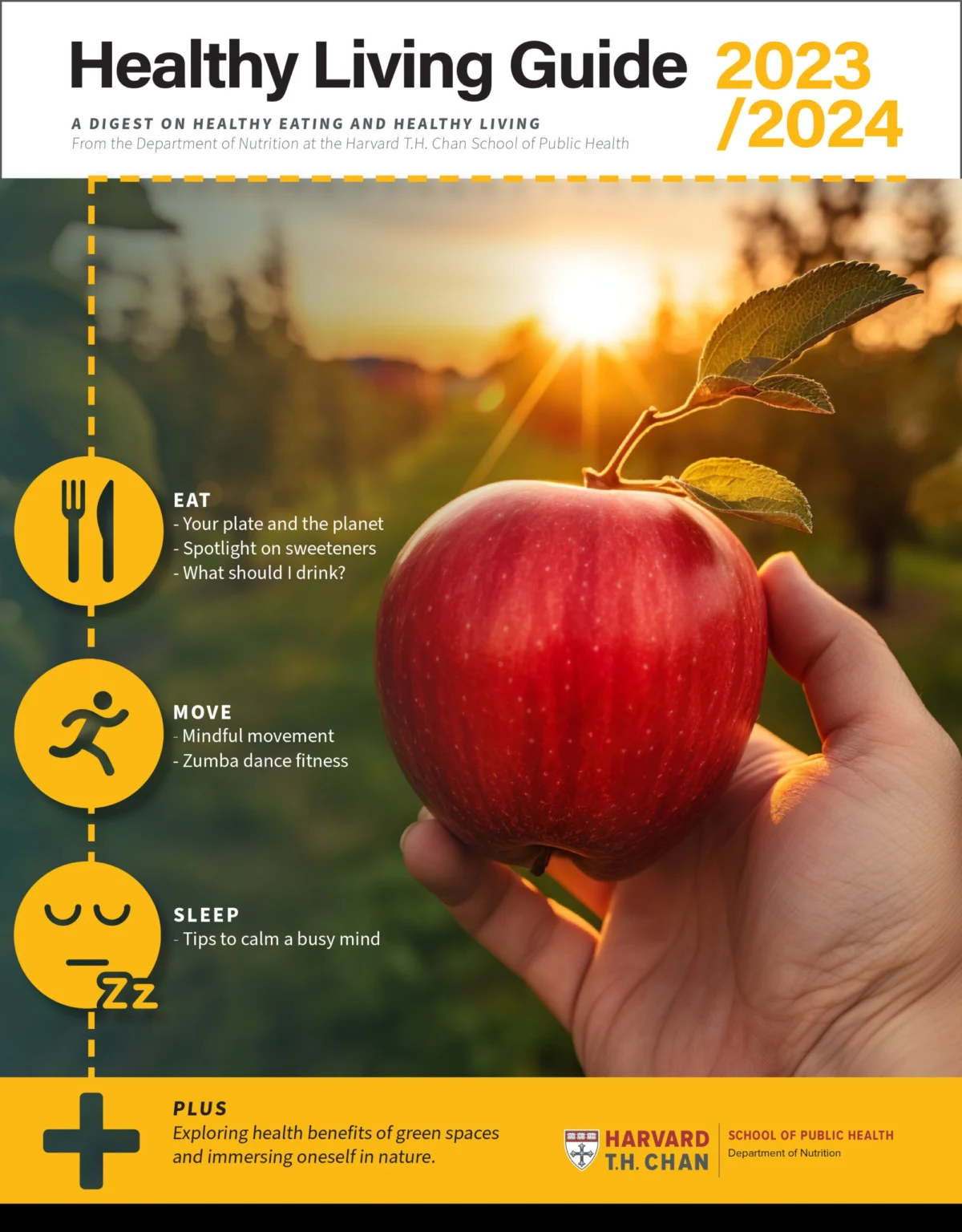
In an era defined by rapid technological advancement and increasing global stressors, the quest for optimal health has moved beyond mere calorie counting and basic exercise routines. As we step into 2024, the Department of Nutrition at the Harvard T.H. Chan School of Public Health has released its fourth annual Healthy Living Guide, a comprehensive resource designed to synthesize the latest scientific research into actionable lifestyle advice.
This year’s edition is particularly significant, as it marks a pivotal shift in the medical community’s approach to well-being: the integration of mindfulness into public health policy and practice. By bridging the gap between internal awareness and physical vitality, the guide serves as a roadmap for those looking to navigate the complexities of modern nutrition, movement, and rest.
Main Facts: The Intersection of Mindfulness and Biology
The 2023-2024 Healthy Living Guide centers on a profound realization: personal health is inextricably linked to the broader environment. The guide opens with a quote from the late Zen master Thich Nhat Hanh: "The apple in your hand is the body of the cosmos." This philosophical grounding is not merely poetic; it is the cornerstone of the newly launched Thich Nhat Hanh Center for Mindfulness in Public Health.
The core mission of this center is to translate the benefits of mindfulness from a niche wellness practice into a population-level intervention. The research presented in this year’s guide explores "mindful eating"—a practice that involves full attention to the sensory experience of consuming food, as well as an awareness of the environmental and ethical implications of food production.
Key areas of focus include:
- Nutritional Integrity: An in-depth analysis of the burgeoning evidence regarding ultra-processed foods (UPFs) and their deleterious effects on mental health.
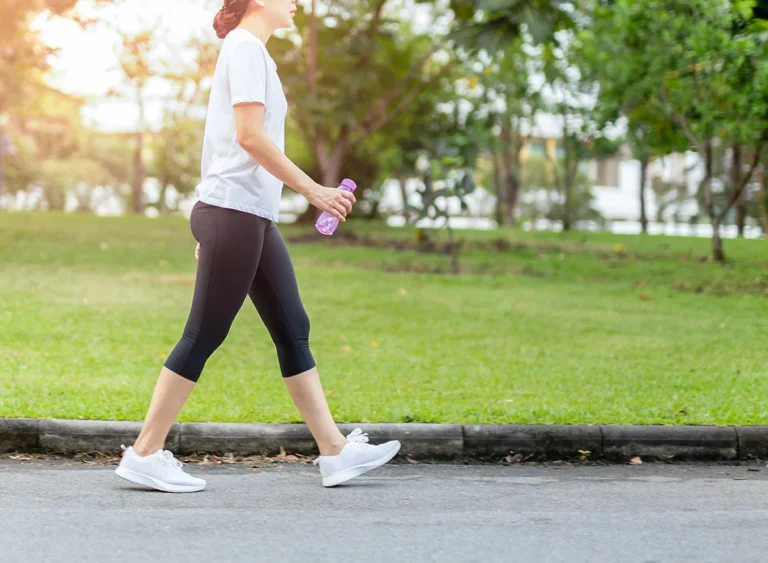
- Physical Vitality: Moving beyond traditional exercise to include community-based movement, such as Zumba, which combines aerobic activity with social connection.
- Sleep Architecture: An exploration of "chronotypes"—the biological predisposition that dictates our internal clock—and how aligning one’s schedule with their natural rhythm can mitigate chronic disease risk.
Chronology: The Evolution of the Healthy Living Guide
The Harvard Department of Nutrition has spent years cultivating a bridge between high-level academic research and public accessibility.
- 2020-2021: The inaugural guide was released during a period of global lockdown, focusing on home-based wellness, immunity, and managing the psychological strain of a pandemic.
- 2021-2022: The focus shifted toward sustainable lifestyle habits, emphasizing the importance of long-term consistency over "quick-fix" dieting.
- 2022-2023: The scope widened to include the role of systemic change in health, highlighting how built environments impact our ability to exercise and access fresh food.
- 2023-2024 (The Current Edition): The launch of the Thich Nhat Hanh Center for Mindfulness marks the transition from individual health to "planetary health," positing that the health of the individual is impossible to separate from the health of the community and the planet.
Supporting Data: Why Modern Wellness Requires a New Approach
The scientific data underpinning this year’s guide is robust. Researchers have identified several alarming trends that necessitate the mindfulness-based interventions proposed in the report.
The Ultra-Processed Food Crisis
Recent studies highlighted in the guide indicate that diets high in ultra-processed foods—those containing high levels of additives, preservatives, and refined sugars—are not only correlated with obesity and cardiovascular disease but are also increasingly linked to cognitive decline and mood disorders. The guide argues that "mindful eating" serves as a psychological buffer, helping individuals become more attuned to their hunger cues and more resistant to the hyper-palatable nature of engineered foods.
The Science of Chronotypes
The guide introduces readers to the concept of chronobiology. While societal norms demand a "9-to-5" structure, biology often dictates otherwise. The research suggests that "night owls" forced into early-morning routines experience higher levels of cortisol and metabolic disruption. By providing tools to identify one’s chronotype, the guide empowers individuals to negotiate their environments for better sleep hygiene, which is identified as the primary pillar of mental stability.
The Impact of Social Movement
Zumba and other group-based movement programs are highlighted for their dual benefit. Beyond the caloric expenditure of dancing, the "social synchronization" involved in group exercise has been shown to release oxytocin and reduce systemic inflammation. This is a critical takeaway for public health officials seeking to address the loneliness epidemic.
Official Responses and Expert Perspectives
Experts from the Department of Nutrition emphasize that the Healthy Living Guide is not a list of rigid rules, but a toolkit for agency.
"We are moving away from the ‘prescriptive’ model of health," says one lead researcher associated with the Thich Nhat Hanh Center. "In the past, public health was about telling people what to stop doing. Now, we are looking at how to help people develop a conscious relationship with their lives. When you are mindful of your food, you naturally choose better options. When you are mindful of your sleep, you naturally prioritize rest."
The integration of the Thich Nhat Hanh Center’s research into the guide represents an official endorsement of mindfulness as a legitimate clinical tool. This is a significant development, as it signals a shift in the academic landscape, which has historically been hesitant to embrace concepts rooted in contemplative traditions. The goal is to provide a "scientific backbone" to mindfulness, ensuring it is viewed as a public health imperative rather than a luxury wellness trend.
Implications: Building a Mindful Future
The implications of this year’s guide are far-reaching. By providing printable tip sheets and actionable summaries, the Department of Nutrition is attempting to democratize health information. The guide suggests that the path to a healthier 2024 lies in three specific domains:
- Macro-Awareness: Recognizing that our food choices impact global supply chains and environmental stability.
- Micro-Awareness: Tuning into the body’s specific needs regarding sleep, movement, and nutritional intake.
- Community-Awareness: Prioritizing group activities that foster human connection, as social isolation is now recognized as a major risk factor for physical disease.
For the reader, the message is clear: health is not a destination characterized by a specific weight or fitness metric. Instead, it is a continuous state of awareness. By utilizing the resources provided—including the downloadable PDF and the historical context of previous years—individuals are encouraged to curate a lifestyle that is not only physically sustainable but mentally enriching.
How to Use This Guide
To get the most out of the 2023-2024 edition, the authors recommend a "staged approach." Rather than attempting to overhaul one’s life overnight, readers are encouraged to:
- Assess: Use the test-your-knowledge sections to identify gaps in current understanding.
- Engage: Pick one area of focus (e.g., nutrition or sleep) and apply the mindfulness strategies suggested.
- Monitor: Keep a journal of how these small shifts in awareness change daily energy levels and emotional resilience.
As we look toward the remainder of 2024, the Healthy Living Guide serves as a reminder that we possess the tools to improve our quality of life. By embracing the principles of mindfulness and staying informed by rigorous, evidence-based science, the individual can act as a catalyst for a healthier, more conscious society.
For those interested in a deeper dive, the full 2023-2024 Healthy Living Guide is available for download via the Harvard T.H. Chan School of Public Health, along with archives from previous years for those wishing to complete their wellness education.