









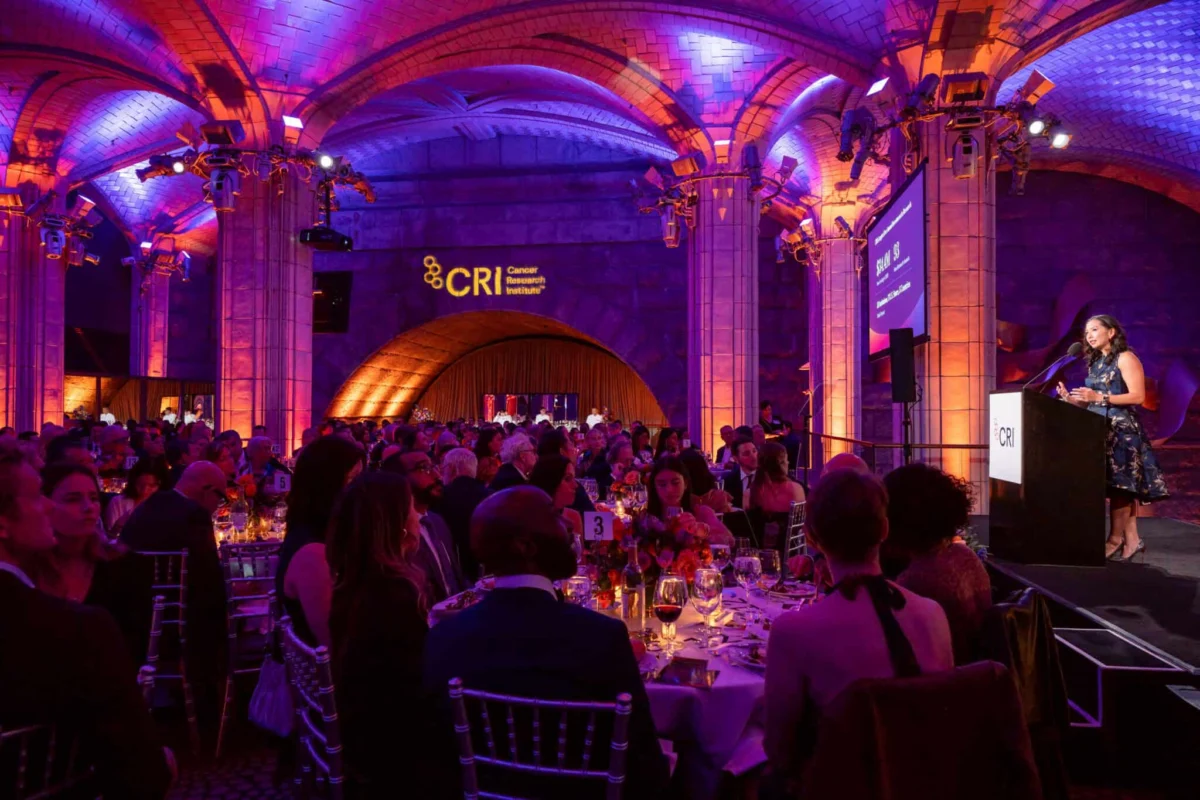
NEW YORK CITY — A groundbreaking cancer treatment is never a sudden accident; it is the culmination of decades of inquiry, the audacity to challenge biological dogma, and the vital, often unseen, support that grants scientists the freedom to pursue the unknown. This profound connection between discovery and life-saving application served as the cornerstone for the Cancer Research Institute’s (CRI) 2026 Annual Awards Gala.
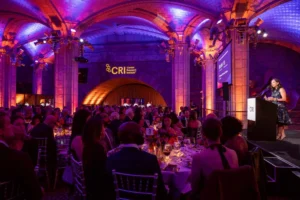
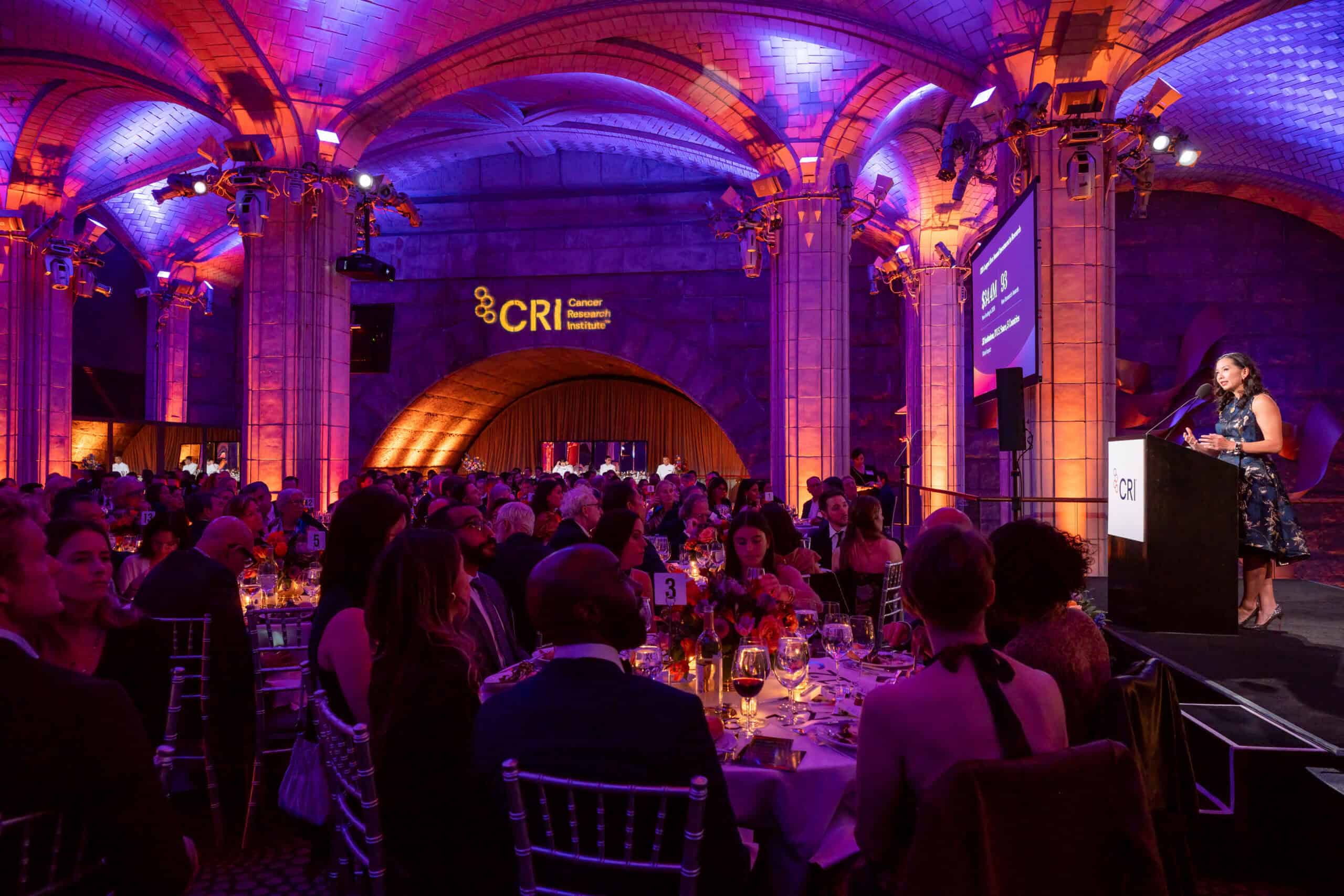
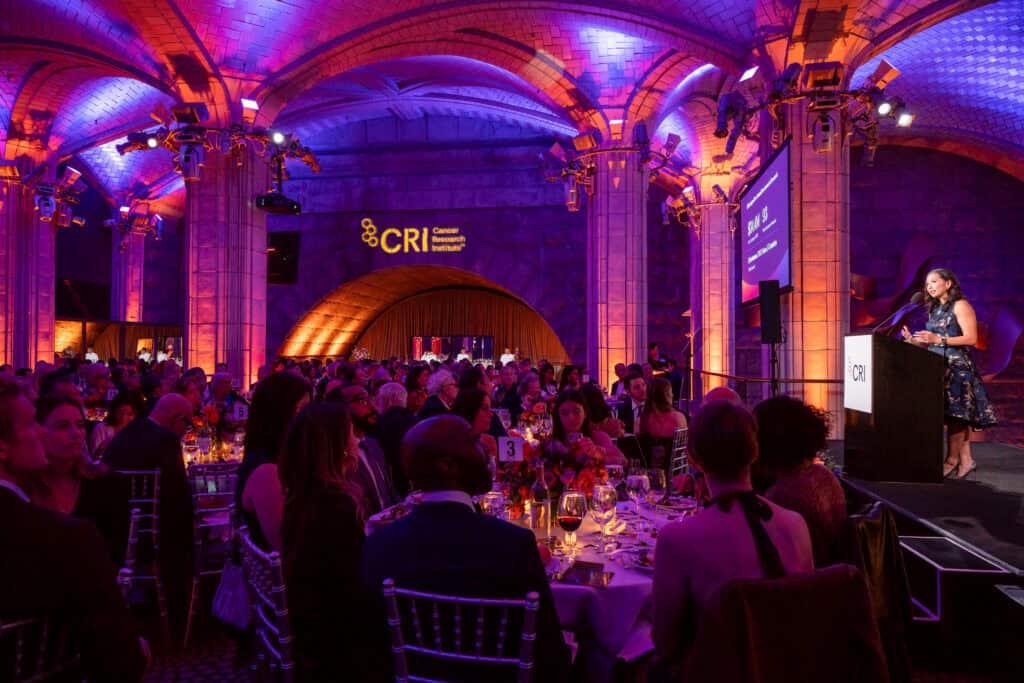
Held on Tuesday, October 20, at the historic Guastavino’s in New York City, the event—themed "Next is Now"—was more than a celebration. It was a rallying cry for the next generation of cancer immunotherapy, bringing together a powerful coalition of leading scientists, resilient patients, and philanthropic leaders committed to turning today’s experimental questions into tomorrow’s standard of care.
The evening, expertly hosted by veteran journalist and breast cancer survivor Athena Jones, proved to be a resounding success, raising over $1.6 million to fuel CRI’s global mission.
The Chronology of Hope: From Lab Bench to Living Room
The gala served as a poignant reminder that the timeline of a cancer cure spans years, if not decades. For the guests in attendance, the "Next is Now" theme was not just a marketing slogan; it was a reflection of the urgent, accelerating pace of immunological research.
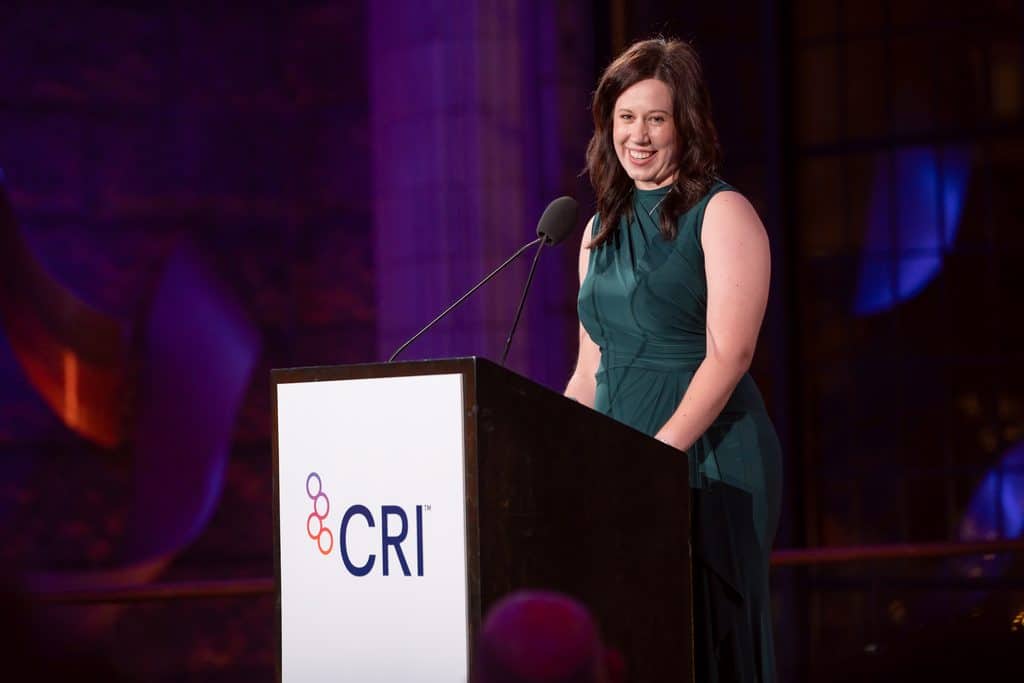
The night began with an opening address by CRI CEO Alicia Zhou, PhD, who set a tone of both gravity and optimism. Dr. Zhou emphasized that the challenge of the current era is no longer just identifying immune mechanisms, but systematically turning promising laboratory results into reliable, durable treatments for a broader patient population. "No single laboratory, institution, or discipline can do that alone," Dr. Zhou noted. "CRI’s role is increasingly that of a bridge-builder, uniting scientists across borders to solve the complex puzzles they simply cannot resolve in isolation."
Following the opening remarks, the event pivoted to the personal. The evening’s program honored the late Adam Shapiro, a former CRI board member whose life was extended through the very therapies he helped champion. His wife, speaking with profound grace, shared stories of his humor and his devotion to their sons, Arthur and Eli. Her testimony served as a stark, humanizing bridge between the abstract world of venture philanthropy and the tangible reality of a family’s "extra time." She noted that while science provided the years, it was the collective funding and testing—much of it supported by the CRI community—that made that time possible.
Supporting the Pipeline: The Role of Venture Philanthropy
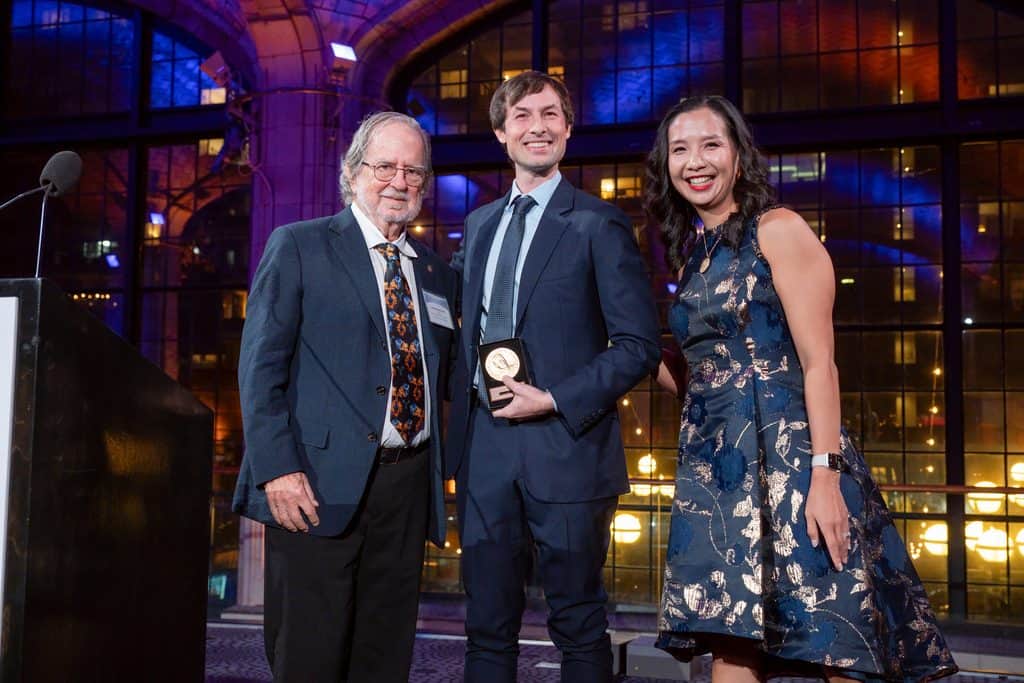
A highlight of the evening was the presentation of the Oliver R. Grace Award for Distinguished Service in Advancing Cancer Research to Reed Jobs. As the founder of Yosemite, an oncology-focused venture firm, Jobs has pioneered a model that fuses philanthropy with strategic investment.
A New Model for Innovation
Jobs’ approach challenges the traditional "valley of death" that often stifles scientific discovery. By investing in high-risk, high-reward ideas while they are still in the embryonic stages of university laboratory research, Jobs is accelerating the transition from theoretical discovery to clinical proof.
"At the core of it, my company has a simple supposition: the cures to cancer have not yet been made, and we need to go out and make them," Jobs stated during his acceptance speech. He emphasized that the most ambitious, potentially transformative ideas are often the ones that struggle to find traditional funding. By supporting these "moonshot" projects early, Jobs is effectively shortening the duration between a researcher’s "eureka" moment and a patient’s first dose of a life-saving therapy.

The Patient Perspective: Molly Hones and the Moonshot Reality
While the gala celebrated the architects of science, the emotional anchor of the evening was provided by Molly Hones. A survivor of rare liver cancer that had metastasized to her lungs, Hones shared a harrowing journey that had brought her to the brink of giving up.
When Hones enrolled in a clinical trial at Johns Hopkins, she did so with a selfless motivation: she believed her participation would provide data that might help a future patient. Tragedy struck shortly after, when her husband, Grant, passed away unexpectedly. Yet, guided by his memory and his encouragement to "keep living," Hones persisted.
The results were nothing short of miraculous. Within months of starting a combination therapy involving a cancer vaccine and checkpoint immunotherapy, the four nodules in her lungs had vanished. As of September 2026, Hones is celebrating two years of complete remission. Her message to the gala attendees was a powerful call to action: "When I joined the trial, I thought I was doing it for the person who would come after me. Now I understand that people before me had already done that for me."
Scientific Pioneers: Rewriting the Immunology Rulebook
The gala also recognized two titans of immunology whose work has fundamentally altered our understanding of the body’s innate defense systems.
Eric Vivier: Decoding the Power of NK Cells
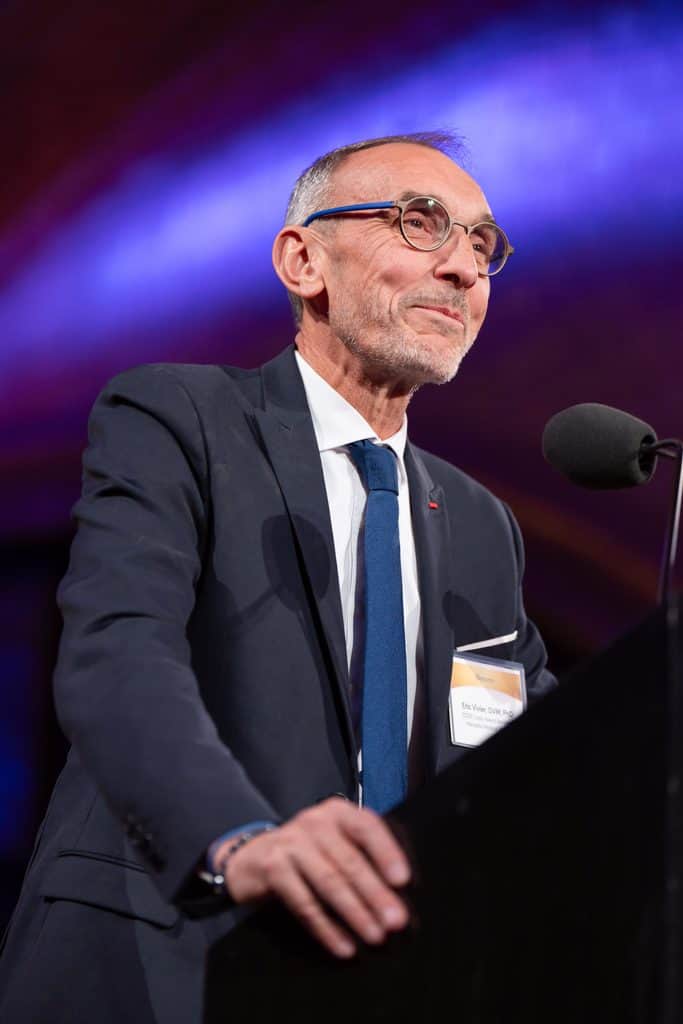
Eric Vivier, DVM, PhD, was honored with the William B. Coley Award for Distinguished Research in Basic Immunology. A professor at Marseille Medical School and President of the Paris-Saclay Cancer Center, Dr. Vivier has spent his career unlocking the secrets of Natural Killer (NK) cells—the frontline soldiers of our innate immune system.
His work, which spans both fundamental biology and the translational efforts behind Innate Pharma, has demonstrated how NK cells can be harnessed to identify and destroy cancer cells. In his address, Dr. Vivier offered a poignant defense of basic science: "Every therapy that features a patient today began as a fundamental question. If we stop asking those questions, we stop curing diseases."
Joseph Sun: Challenging the Boundaries of Memory
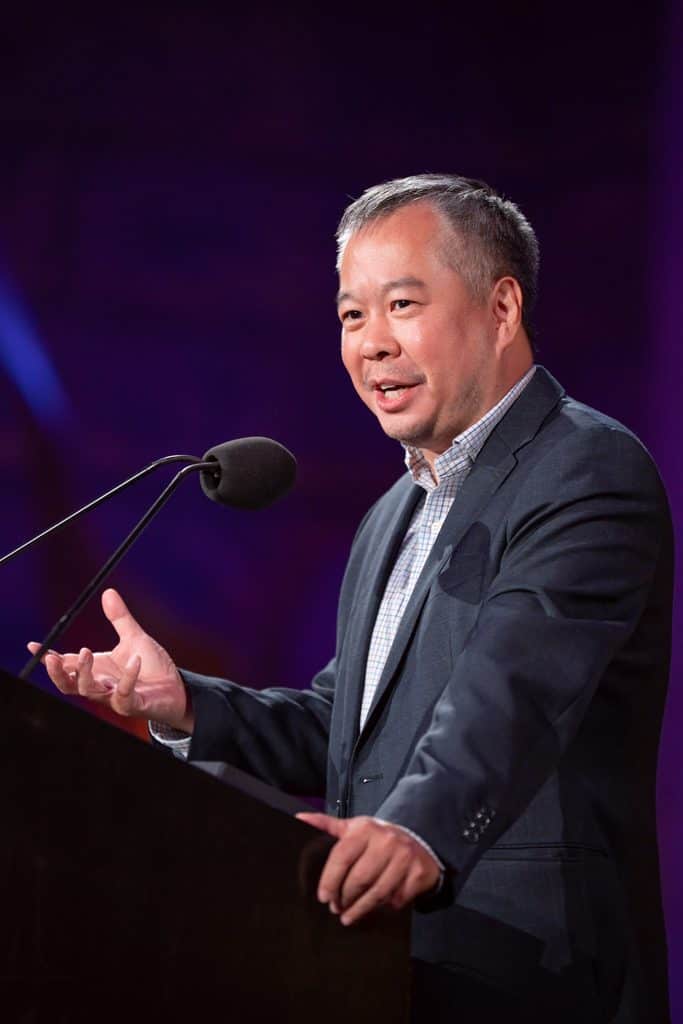
The Frederick W. Alt Award for New Discoveries in Immunology was presented to Joseph Sun, PhD, of Memorial Sloan Kettering Cancer Center. Dr. Sun’s research has famously challenged the long-held scientific assumption that "immune memory"—the ability of the immune system to "remember" and respond more effectively to repeat threats—was the exclusive domain of the adaptive immune system.
By proving that NK cells can also form long-lived memory following a viral infection, Dr. Sun has fundamentally reshaped the field. His career, which began as a CRI Irvington Postdoctoral Fellow, serves as a powerful testament to the necessity of investing in scientists early in their careers, when their potential to "reshape paradigms" is at its peak.
Implications: The Future of Cancer Immunotherapy
The 2026 CRI Gala did more than honor past achievements; it projected a future where cancer is no longer a terminal diagnosis but a manageable or curable condition. The convergence of artificial intelligence, high-throughput genomic data, and deep biological insight is creating an unprecedented environment for innovation.
The "Next is Now" Strategic Vision
The implications of the research discussed during the gala are far-reaching:
- Systematic Cures: Moving beyond "one-off" successes to create standardized protocols for immunotherapy.
- Innate Immunity as a Pillar: Recognizing that NK cells and other innate mechanisms offer new avenues for patients who do not respond to existing checkpoint therapies.
- The Philanthropic-Scientific Loop: Establishing that long-term, sustained funding is the only way to ensure that high-risk research reaches the clinical trial stage.
As the evening concluded, the sense of collective responsibility was palpable. The $1.6 million raised will directly support the next cohort of researchers tasked with turning the "heretical" ideas of today into the clinical realities of tomorrow.
"I got my moonshot," Molly Hones told the crowd, her voice steady with conviction. "Let’s make sure the next person gets theirs, too."
In the grand, vaulted space of Guastavino’s, the message was clear: The "Next" in cancer immunotherapy is not a distant goal; it is a promise being fulfilled in real-time, one discovery, one donor, and one patient at a time. The work of the Cancer Research Institute remains the heartbeat of this progress, ensuring that the questions being asked in laboratories today are the miracles being celebrated in clinics tomorrow.