











In a profound challenge to modern preventative cardiology, a groundbreaking study led by researchers at the Icahn School of Medicine at Mount Sinai has unveiled a significant blind spot in how medicine detects heart disease. The findings, published on November 21 in the Journal of the American College of Cardiology: Advances, suggest that the current standard-of-care risk assessment tools—widely used by primary care physicians across the globe—fail to identify as many as 61% of patients who are on the verge of a life-threatening cardiac event.
This discovery points to a systemic failure in current prevention strategies, which rely heavily on risk scores and the absence of symptoms to determine a patient’s health status. As these findings gain traction, they raise a critical question: Are we treating our patients, or are we simply treating their statistics?
The Current Landscape: How We Assess Risk Today
For decades, the cornerstone of preventative cardiology has been the Atherosclerotic Cardiovascular Disease (ASCVD) risk score. This calculator is a staple of routine primary care visits for adults aged 40 to 75 who have no prior history of heart disease. During a standard physical, a physician inputs a patient’s age, sex, race, blood pressure, cholesterol levels, diabetic status, and smoking history. The resulting score estimates the likelihood of a major cardiovascular event—such as a heart attack or stroke—occurring within the next 10 years.
These scores serve as "gatekeepers" for clinical intervention. If a patient’s score falls into the intermediate or high-risk category, they are typically prescribed cholesterol-lowering medications like statins and are often referred for more advanced diagnostic testing. Conversely, if a patient falls into the low or borderline risk categories—and reports no classic symptoms like chest pain or shortness of breath—they are frequently told they are at minimal risk, reassured, and sent home without further diagnostic inquiry.
More recently, a newer tool known as PREVENT has been introduced, aiming to provide a more nuanced picture of cardiovascular risk by incorporating a broader array of variables. However, the Mount Sinai study indicates that even these more sophisticated models are struggling to capture the reality of individual physiology.
A Retrospective Look at the "Silent" Heart Attack
To evaluate the true accuracy of these tools, the research team at Mount Sinai conducted a rigorous retrospective analysis of 474 patients. All participants were under the age of 66, had no previously known coronary artery disease, and had been treated for their first-ever heart attack at either The Mount Sinai Hospital or Mount Sinai Morningside between January 2020 and July 2025.
The researchers painstakingly reconstructed the medical profiles of these patients as they existed just 48 hours prior to their heart attacks. They collected demographic data, historical blood pressure and cholesterol readings, and detailed accounts of symptom onset. By running these profiles through both the ASCVD and PREVENT calculators, the team simulated exactly how these patients would have been categorized by a primary care physician just two days before their medical emergency.
The results were startling. According to the standard ASCVD guidelines, 45% of the patients who suffered a heart attack would not have qualified for preventive therapy or further diagnostic testing. When the more modern PREVENT tool was applied to the same group, that number jumped to 61%.
The "Symptom Trap": Why Waiting for Warning Signs is a Fatal Strategy
One of the most concerning findings of the study involves the timing of symptoms. Conventional wisdom suggests that if a patient feels fine, they are likely safe. However, the study found that 60% of the participants experienced symptoms fewer than two days before their heart attack.
For many, the symptoms were not the "classic" Hollywood depiction of crushing chest pain. They were subtle or entirely absent until the very moment of the event. This confirms a long-held suspicion among some cardiologists: by the time a patient presents with symptoms, the disease is already advanced, and the opportunity for early, effective prevention has largely passed.
"This study suggests that the current approach of relying on risk scores and symptoms as primary gatekeepers for prevention is not optimal," explains Dr. Amir Ahmadi, corresponding author and Clinical Associate Professor of Medicine (Cardiology) at the Icahn School of Medicine at Mount Sinai. "If we had seen these patients just two days before their heart attack, nearly half would not have been recommended for further testing or preventive therapy."
Expert Perspectives: A Shift Toward Imaging
The implications of this research are being felt across the medical community. The Mount Sinai team argues that the medical field must undergo a paradigm shift, moving away from a reliance on population-based risk calculators toward more direct visualization of the cardiovascular system.
"When we look at heart attacks and trace them backwards, most heart attacks occur in patients in the low or intermediate risk groups," notes Dr. Anna Mueller, the study’s first author and an internal medicine resident at the Icahn School of Medicine. "Our study exposes a major flaw where tools effective for tracking large populations fall short when guiding individualized care."
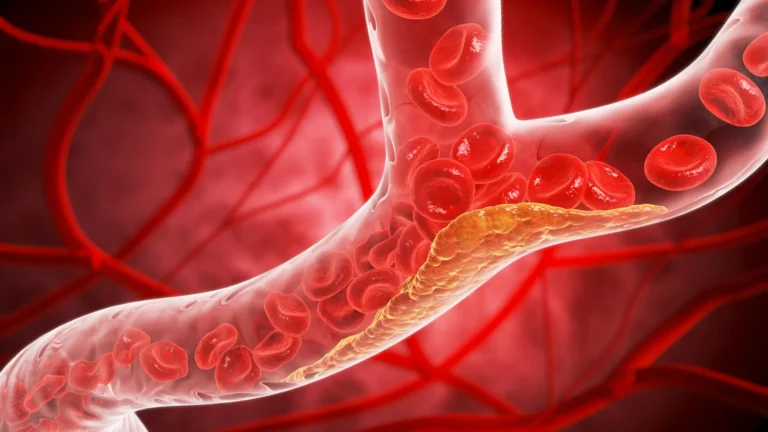
Dr. Mueller and Dr. Ahmadi advocate for the increased use of atherosclerosis imaging—a method that can identify "silent plaque" within the arterial walls long before it has a chance to rupture. By detecting the physical presence of disease rather than relying on a probabilistic score, physicians could intervene with aggressive treatment much earlier in the disease process.
Implications for Future Medical Guidelines
The study acts as a clarion call for the organizations that set national cardiovascular guidelines. If the current standard of care leaves a majority of first-time heart attack victims effectively "invisible" to the system, it suggests that the threshold for advanced testing needs to be re-evaluated.
1. Refinement of Risk Calculators
While calculators like ASCVD and PREVENT are useful for population health management, the study underscores that they should not be the sole determinant of an individual’s care plan. The "one-size-fits-all" approach to risk assessment is proving insufficient for patients with atypical presentations.
2. The Role of Advanced Imaging
The researchers are calling for a broader integration of cardiovascular imaging—such as coronary artery calcium (CAC) scoring or CT angiography—into standard check-ups for those who may have silent risk factors that traditional calculators miss. While this would represent an increase in upfront diagnostic costs, the long-term savings in preventing heart attacks and the associated morbidity could be transformative.
3. Redefining "Low Risk"
There is a pressing need to destigmatize the pursuit of more testing. Currently, if a patient is labeled "low risk," further testing is often seen as unnecessary or even wasteful. The Mount Sinai data suggests that for a significant subset of the population, a low-risk score is a false sense of security. Doctors may need to be more aggressive in pursuing diagnostic imaging even for patients who "look good on paper."
The Path Forward: Personalized Medicine
The transition toward identifying silent plaque represents the next frontier in cardiology. As the researchers emphasize, more work is needed to refine these imaging protocols and identify exactly which patients—even those with low scores—would benefit most from such screening.
The Mount Sinai study is not merely a critique of existing tools; it is a roadmap for a more proactive future. By moving toward early detection of atherosclerosis, clinicians may eventually be able to stop heart attacks before they happen, rather than simply reacting to them once they occur.
"The goal is to move toward atherosclerosis imaging to identify the silent plaque—early atherosclerosis—before it has a chance to rupture," Dr. Ahmadi concludes. "We have the technology to see the disease; we just need to change the way we use it."
As the medical community digests these findings, the conversation is shifting. The emphasis is moving away from the question, "What is this patient’s statistical risk?" toward the more vital question, "Does this patient have hidden disease that requires treatment?" In an era of precision medicine, the latter is clearly the superior standard.
Key Takeaways from the Study:
- Study Scope: 474 patients under age 66 who suffered their first heart attack.
- Failure Rate: Current risk tools (ASCVD/PREVENT) would have missed 45–61% of these patients as candidates for preventive therapy.
- Symptom Timing: 60% of patients experienced symptoms within two days of their event, indicating that symptoms are often a late-stage indicator.
- Proposed Shift: A move toward direct atherosclerosis imaging to detect "silent plaque" instead of relying solely on population-based risk scores.
- Conclusion: Risk scores are useful for populations, but they are failing the individual patient.