









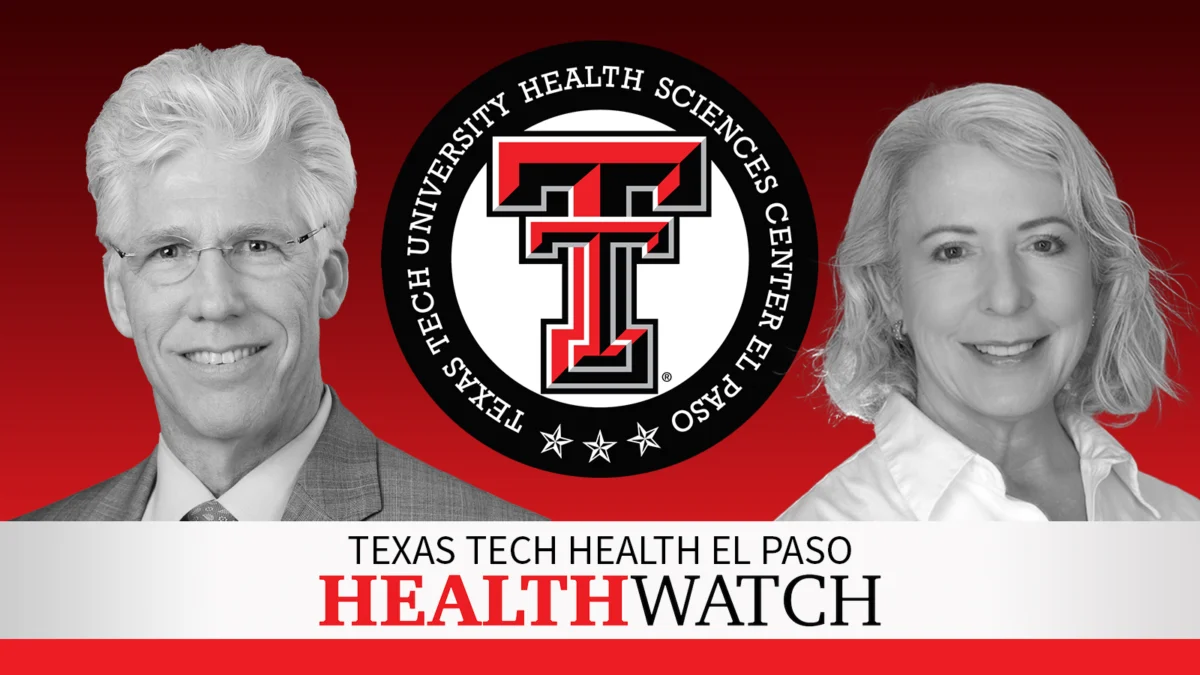
In the rapidly evolving landscape of modern medicine, the translation of clinical research into bedside practice is a process characterized by both incremental progress and paradigm-shifting consensus. The most recent episode of TTHealthWatch, a collaborative medical podcast produced by Texas Tech University Health Sciences Center, highlights four significant areas of clinical concern. Led by medical journalist Elizabeth Tracey and Dr. Rick Lange, president of Texas Tech Health El Paso, the discussion interrogates the efficacy of prehospital blood transfusions, the role of antibiotics in pediatric respiratory distress, the rebranding of a major women’s health condition, and the emergence of precision biomarkers for lung cancer screening.
I. Prehospital Resuscitation: Whole Blood vs. Components
The trauma community has long sought the "gold standard" for field resuscitation. The primary question addressed in recent New England Journal of Medicine (NEJM) literature is whether the administration of whole blood in prehospital settings improves survival rates for patients suffering from hemorrhagic shock compared to traditional blood component therapy (packed red blood cells, plasma, and platelets).
The Study Data
A phase III clinical trial involving 44 air medical bases investigated the outcomes of 1,020 trauma patients. Participants were randomized in a 2:1 ratio to receive either whole blood or component therapy during transport. The primary endpoint—mortality from any cause within 30 days—showed a raw mortality rate of approximately 26% in the whole blood cohort compared to 21% in the component group. However, upon rigorous statistical adjustment for confounding variables, the study concluded that there was no significant mortality benefit to using whole blood over components.
Clinical Implications
While the study did not demonstrate a superior survival outcome for whole blood, experts suggest it remains a viable strategy. Whole blood contains all necessary components and provides essential volume expansion, which is critical for patients in shock. Furthermore, because type O whole blood has low titers of anti-A and anti-B antibodies, it is safer to administer without extensive cross-matching. Its ease of storage and availability make it an attractive logistical choice for EMS providers, provided that "equivalent" survival outcomes are considered acceptable.
II. The Antibiotic Debate: Pediatric Wheezing
Respiratory distress in preschool-aged children is a frequent driver of emergency department (ED) visits. Traditionally, clinicians have been tempted to prescribe antibiotics like azithromycin to these patients, operating under the observation that many wheezing children harbor pathogenic bacteria such as Streptococcus pneumoniae, Moraxella catarrhalis, or Haemophilus influenzae.
The Findings
In a multicenter trial involving 840 children between 18 and 59 months of age, researchers compared a 5-day course of azithromycin against a placebo. The results were clear: the antibiotic offered no clinical benefit in terms of reducing the severity or duration of the wheezing episodes. Even when researchers isolated the subgroup of children who tested positive for the aforementioned bacteria, the antibiotic intervention failed to alter the disease trajectory.
The Standard of Care
The medical consensus reinforced by this study is that wheezing in preschoolers is overwhelmingly driven by viral pathogens or allergic responses, not bacterial infections. Consequently, the reliance on antibiotics is not only ineffective but potentially harmful due to the risks of antibiotic resistance and unnecessary side effects. The clinical focus should remain on established first-line treatments, such as bronchodilators and anti-inflammatory therapies, which directly address the pathophysiology of airway inflammation.
III. A Historic Rebranding: From PCOS to PMOS
In a rare move toward international consensus, the medical community is moving to rename Polycystic Ovary Syndrome (PCOS). As reported in The Lancet, an international coalition of 56 leading clinical and patient advocacy organizations, representing over 14,000 individuals, has reached an agreement to transition the name to Polyendocrine Metabolic Ovarian Syndrome (PMOS).
The Motivation for Change
The original term, "Polycystic Ovary Syndrome," has been widely criticized for its inaccuracy and stigmatizing effect. Pathologic ovarian cysts are not a defining feature of the condition, yet the name focuses exclusively on the ovary, leading to fragmented care. The new nomenclature, PMOS, captures the multisystemic nature of the disorder—encompassing endocrine, metabolic, and reproductive dysfunction.
Implementation and Policy
This change represents a roadmap for future international medical reforms. The process involved multiple rounds of expert and patient surveys, adherence to strict codes of conduct, and coordination with the World Health Organization to update medical classification systems. The transition is expected to take approximately three years, with the goal of reducing diagnostic delays and addressing the broader metabolic and psychological comorbidities that patients face.
IV. Precision Oncology: Biomarkers in Lung Cancer Screening
Lung cancer remains a leading cause of cancer-related mortality. While low-dose computed tomography (CT) scans are the standard for high-risk individuals—defined by age and smoking history—current guidelines fail to capture approximately one-third of future lung cancer cases.
The Biomarker Approach
Recent research published in JAMA explores the use of a 12-protein blood biomarker panel to identify high-risk individuals who fall outside current screening criteria. By analyzing these proteins in conjunction with age and smoking history, researchers were able to capture 85% of lung cancer cases that developed within a one-year window, significantly outperforming standard questionnaire-based risk assessments.
Barriers to Adoption
Despite the technical promise of these biomarkers, the challenge of patient compliance remains. Even among individuals who meet the current criteria for screening, a significant number decline to undergo CT scans. Journalists Tracey and Lange raised concerns that until the "ostrich model"—the tendency of patients to avoid medical screening until symptoms are advanced—is addressed, even the most accurate biomarker tests may struggle to reduce mortality rates in the real world.
V. Synthesis and Future Outlook
The topics discussed on TTHealthWatch represent the dual nature of medical advancement. In the cases of trauma resuscitation and pediatric antibiotic use, the research serves as a "correction"—validating that sometimes, the status quo is as effective as more intensive interventions, or that common practices are ineffective and should be abandoned.
Conversely, the renaming of PCOS and the development of lung cancer biomarkers demonstrate the field’s commitment to precision. By refining our diagnostic labels to reflect actual pathology and using blood-based screening to broaden our reach, medicine moves closer to a truly personalized model of care.
Summary of Key Developments
| Topic | Primary Finding | Clinical Takeaway |
|---|---|---|
| Whole Blood for Trauma | Equivalent to blood components. | Logistically superior for field use. |
| Azithromycin for Wheezing | No benefit for viral-driven wheeze. | Avoid antibiotics; use bronchodilators. |
| Renaming PCOS to PMOS | Current name is inaccurate/stigmatizing. | Shift to a metabolic/endocrine focus. |
| Lung Cancer Biomarkers | High sensitivity for short-term risk. | Potential to supplement CT screening. |
As these findings move from clinical journals to the front lines of healthcare, the emphasis remains on the integration of evidence-based practice with patient-centered communication. Whether it is through the precise language we use to describe a syndrome or the scientific rigor we apply to life-saving interventions, the objective remains constant: to improve patient outcomes through continuous evaluation and adaptation.