









By Health & Science Correspondent
February 5, 2026
A landmark study published on February 4, 2026, in Neurology Open Access, the official journal of the American Academy of Neurology, has provided some of the most compelling evidence to date regarding the protective power of nutritional choices. The research, which tracked over 100,000 women across two decades, suggests that adhering to a Mediterranean-style diet may significantly lower the risk of suffering a stroke—a finding that holds profound implications for public health and preventative medicine.
While the study stops short of claiming a direct causal link, it identifies a robust statistical association between the consumption of heart-healthy, whole-food diets and improved long-term cerebrovascular outcomes. As stroke remains a leading global cause of permanent disability and mortality, these findings offer a tangible, lifestyle-based strategy for risk mitigation.
The Anatomy of the Study: Methodology and Scope
To understand the scale of this research, one must look at the sheer breadth of data collected. The study involved a cohort of 105,614 women, all of whom were stroke-free at the inception of the research. With an average age of 53, the participants provided a diverse cross-section of the population, allowing researchers to observe the progression of health outcomes over an extensive timeframe.
The Scoring Mechanism
At the beginning of the study, participants were asked to complete comprehensive dietary questionnaires. Researchers utilized these responses to assign each woman a Mediterranean diet score ranging from zero to nine. This scoring system acted as a barometer for how closely the participants adhered to traditional Mediterranean eating patterns.
Points were awarded based on specific nutritional benchmarks:
- High-intake categories: One point each for exceeding the population average in whole grain cereals, fruits, vegetables, legumes, fish, and olive oil.
- Moderate intake: One point for moderate alcohol consumption.
- Low-intake categories: One point each for keeping red meat and dairy consumption below the population average.
The distribution of participants was telling: approximately 30% of the cohort scored between six and nine, placing them in the “high adherence” category, while 13% scored between zero and two, representing the lowest level of compliance.
A Two-Decade Chronology of Health Outcomes
The study followed these participants for an average of 21 years, creating a longitudinal map of dietary habits and subsequent stroke events. During this 21-year observation period, researchers meticulously documented 4,083 total strokes among the study group.
Breakdown of Stroke Types
The data categorized these events into the two primary stroke classifications:
- Ischemic Strokes (3,358 cases): The most common form of stroke, occurring when a blood clot or plaque buildup blocks blood flow to a region of the brain.
- Hemorrhagic Strokes (725 cases): A more severe, though less frequent, type of stroke caused by a ruptured blood vessel triggering bleeding within the brain tissue.
By tracking these events, the research team was able to draw clear comparisons between the “high-score” group and the “low-score” group. Even after adjusting for confounding variables—such as physical activity levels, smoking history, and pre-existing high blood pressure—the protective trend remained statistically significant.
Supporting Data: Quantifying the Protective Benefit
The findings offer a stark contrast between dietary habits and stroke susceptibility. Women in the highest tier of Mediterranean diet adherence were 18% less likely to experience any form of stroke compared to those in the lowest tier.
When drilling down into specific stroke types, the data became even more granular:
- Ischemic Risk: High-adherence participants saw a 16% reduction in ischemic stroke risk.
- Hemorrhagic Risk: The reduction for hemorrhagic strokes was even more pronounced, at 25%.
This 25% reduction in hemorrhagic risk is particularly noteworthy. As study author Dr. Sophia S. Wang, PhD, of the City of Hope Comprehensive Cancer Center, pointed out, there have been relatively few large-scale studies that specifically examine the link between diet and hemorrhagic stroke. This data fills a critical gap in neurological literature, suggesting that the benefits of a Mediterranean diet extend beyond simple cholesterol management and may play a role in vascular integrity.
Defining the Mediterranean Diet: Beyond the Buzzword
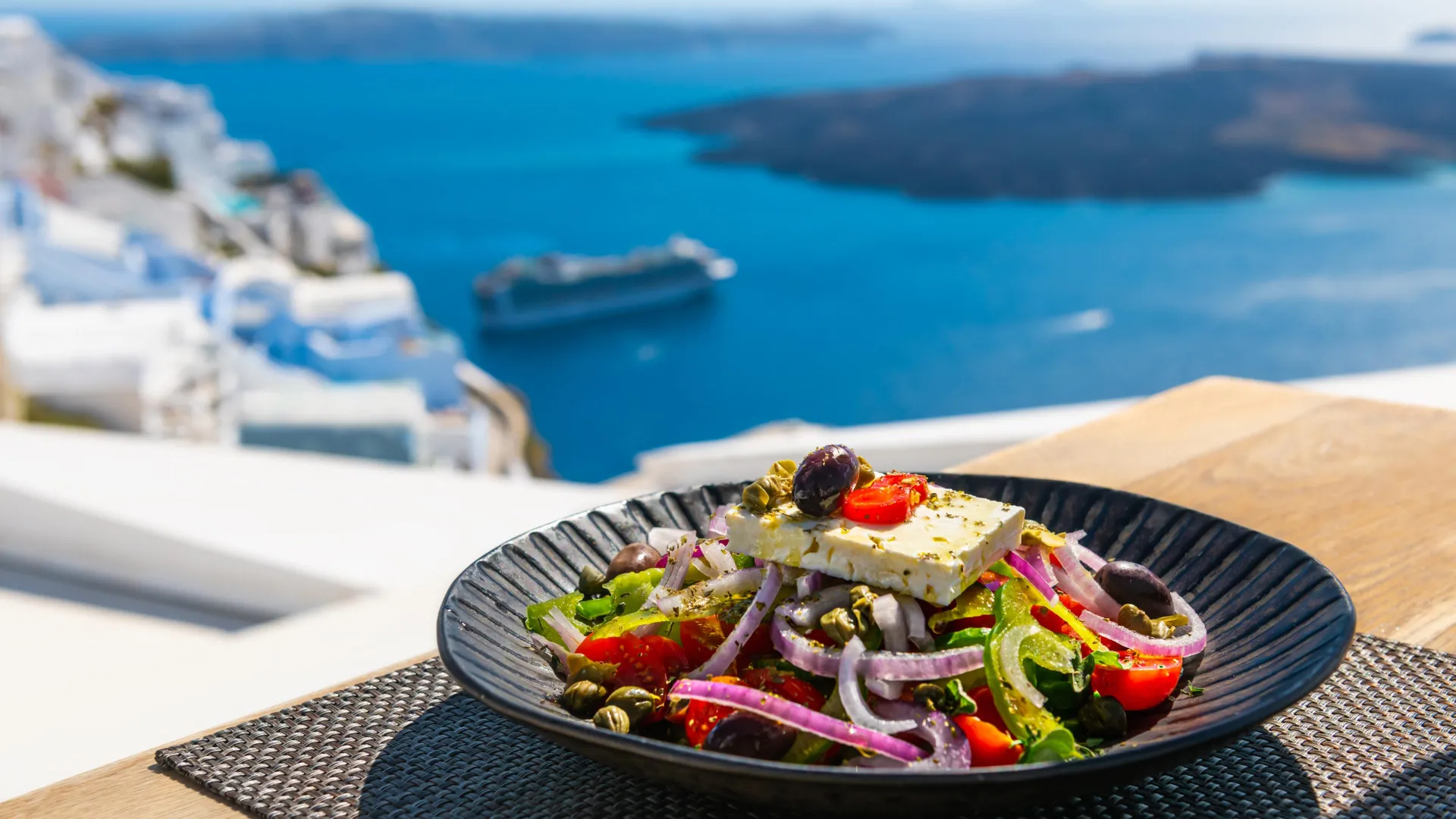
For many, the "Mediterranean diet" is a vague concept associated with wine and olive oil. However, the study provides a specific framework for what this diet actually entails. It is fundamentally a plant-forward, anti-inflammatory eating pattern that prioritizes nutrient density over caloric restriction.
The Nutritional Pillars
- Healthy Fats: The cornerstone of the diet is olive oil, which is rich in monounsaturated fats that help reduce systemic inflammation.
- Plant-Based Staples: An abundance of vegetables, fruits, and legumes ensures high fiber intake, which is critical for blood sugar regulation and cardiovascular health.
- Lean Proteins: Fish serves as the primary protein source, providing essential Omega-3 fatty acids, which are known to improve heart health and blood vessel elasticity.
- Restricted Items: The diet intentionally limits red meats, processed foods, and high-fat dairy, which are often linked to higher levels of saturated fatty acids and increased blood pressure.
Official Responses and Clinical Implications
Dr. Sophia S. Wang has been vocal about the implications of these findings, characterizing them as a vital piece of the broader puzzle of neurological health.
"Our findings support the mounting evidence that a healthy diet is critical to stroke prevention," Dr. Wang stated in the aftermath of the publication. "Stroke is a leading cause of death and disability, so it’s exciting to think that improving our diets could lessen our risk for this devastating disease."
The clinical community has reacted with cautious optimism. While experts emphasize that diet cannot replace pharmacological interventions (such as blood pressure medication or anticoagulants) for those at high risk, they acknowledge that the study provides a powerful, low-risk, and accessible intervention for the general population. The ability to lower the risk of stroke by nearly a quarter through lifestyle modifications is a milestone that could potentially save thousands of lives annually if implemented at a population-wide level.
Critical Analysis and Study Limitations
Despite the significant scale of the research, the study’s authors and independent reviewers note certain limitations that are inherent in nutritional epidemiology.
The Challenge of Self-Reporting
The most significant limitation noted by the researchers is the reliance on self-reported dietary questionnaires. Human memory is fallible, and participants may have inadvertently misremembered or misrepresented their eating habits, a phenomenon known as "social desirability bias," where participants report healthier eating patterns than they actually maintain.
Correlation vs. Causation
Furthermore, the study identifies an association, not a direct cause-and-effect relationship. It is possible that women who choose to follow a Mediterranean diet also engage in other health-promoting behaviors that were not fully captured or isolated by the study’s data. For instance, socioeconomic status, stress levels, and access to healthcare could play roles that overlap with dietary choices.
The Path Forward
To bridge the gap between association and causation, further research is required. Dr. Wang and her team have noted that future studies must focus on identifying the specific biological mechanisms—perhaps involving the gut microbiome, arterial inflammation, or vascular endothelial function—that translate these dietary inputs into neuro-protection.
Conclusion: A Blueprint for Longevity
The study published in Neurology Open Access serves as a clarion call for the importance of nutrition in long-term neurological health. By demonstrating that 21 years of dietary choices can significantly alter the trajectory of stroke risk, the research empowers individuals to take a proactive role in their own vascular well-being.
As medical technology continues to advance, the "gold standard" of health remains rooted in the basics: what we put on our plates. With the support of the National Institute of Neurological Diseases and Stroke, this research has provided a compelling roadmap for future dietary guidelines, suggesting that the path to a healthier brain may well start in the kitchen. Whether through the simple act of choosing olive oil over butter or increasing legume intake, the potential to prevent one of the most debilitating health events is, according to this data, well within the reach of the average consumer.