









ABUJA, Nigeria — The World Health Organization (WHO) has officially declared the current Ebola outbreak spreading across parts of the Democratic Republic of Congo (DRC) and Uganda a "public health emergency of international concern." The announcement, made Sunday, underscores the gravity of a crisis that has already claimed dozens of lives and threatens to destabilize an already volatile region of Central Africa.
As of the latest reports, 336 suspected cases have been identified, with the death toll standing at 88. While the vast majority of cases are concentrated within the DRC’s Ituri province, the detection of two cases in neighboring Uganda has triggered significant alarm regarding the potential for rapid cross-border transmission.
The Nature of the Threat: The Bundibugyo Variant
The urgency of the situation is compounded by the specific strain responsible for this outbreak: the Bundibugyo virus. Unlike the more common Ebola Zaire strain, which has been the primary driver of most of the 17 previous outbreaks in Congo since 1976, the Bundibugyo variant is rare and historically difficult to manage.
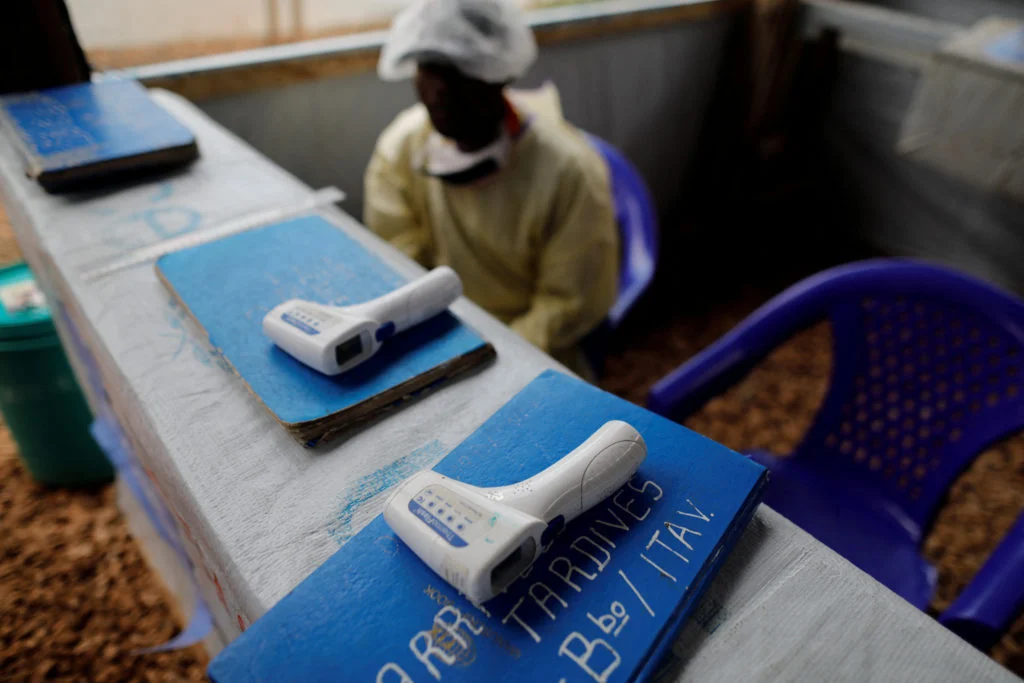
Critically, there are currently no approved therapeutics or vaccines specifically formulated for this variant. Dr. Gabriel Nsakala, a public health expert experienced in managing past Ebola crises in the region, noted that current medical interventions remain primarily supportive, focusing on managing symptoms rather than neutralizing the virus directly. "Congo has extensive experience in managing Ebola," Nsakala explained, "but the unpredictability of this particular strain adds a layer of complexity that pushes our current healthcare infrastructure to its limits."
Chronology of the Crisis
The current emergency did not appear overnight, but rather emerged from a complex set of environmental and social factors:
- Initial Detection: The Africa Centres for Disease Control and Prevention (Africa CDC) first confirmed the outbreak on Friday in the Mongwalu health zone of Ituri province.
- Rapid Expansion: By Saturday, the virus had successfully migrated from the remote mining hub of Mongwalu to the Rwampara and Bunia health zones. The movement of patients seeking medical care in these high-traffic areas served as a catalyst for the virus’s spread.
- WHO Intervention: Following the confirmation of 336 suspected cases, the WHO moved to declare an international emergency on Sunday, aiming to streamline global funding and resource mobilization.
- High-Level Coordination: Within hours of the confirmation, the Africa CDC convened an urgent meeting involving health ministers from Congo, Uganda, and South Sudan, alongside UN agencies, to establish a framework for containment.
Understanding the WHO Emergency Declaration
A declaration of a "public health emergency of international concern" is the highest alert level the WHO can issue. However, officials are quick to clarify that this does not constitute a pandemic designation, such as that seen with COVID-19.
"This is not a signal for nations to close their international borders," a WHO representative stated during a press briefing. Instead, the designation acts as a clarion call to the international community. Its primary purpose is to compel donor agencies to release emergency funds and to encourage member states to provide technical and logistical support.
Yet, historical precedent suggests this may be easier said than done. Experts point to the 2024 mpox outbreaks in Africa, where similar WHO declarations were met with sluggish global responses. During that crisis, diagnostic tests, vaccines, and essential medicines were slow to reach the ground, leading to preventable loss of life. There is now intense pressure on the international community to prove that lessons have been learned and that the response this time will be more agile.
Logistical Challenges and Geopolitical Vulnerabilities
The geography of the current outbreak presents a nightmare for health responders. Ituri province is notoriously remote, characterized by crumbling road networks and a location more than 1,000 kilometers (620 miles) from the capital, Kinshasa.
The Africa CDC has identified three primary factors that elevate the risk of a widespread disaster:
- Border Proximity: The proximity of Bunia to the Ugandan and South Sudanese borders creates a high risk of regional contagion.
- Armed Conflict: The eastern region of the DRC is currently plagued by active conflict. Armed groups have displaced thousands and killed dozens over the past year, severely limiting the ability of health workers to conduct contact tracing or establish safe zones.
- Human Mobility: Intense population movement in mining zones and through formal and informal border crossings makes it exceptionally difficult to track potential carriers of the virus.
The Financial Gap
The fiscal reality of the crisis is equally daunting. While the WHO has released an initial $500,000 and the Africa CDC has mobilized $2 million, these figures are widely considered a "small fraction" of what is required to mount a comprehensive response.
Historical data shows that the financial burden of these outbreaks is immense. In 2021, the U.S. Agency for International Development (USAID) provided roughly $11.5 million to support regional efforts; however, experts warn that the current global economic climate—compounded by potential funding cuts—could leave a dangerous vacuum. The reliance on international aid for safe burials, laboratory testing, and the deployment of multidisciplinary teams means that any delay in funding directly translates to an increased death rate on the ground.
Ebola: A Persistent Killer
The Ebola virus remains one of the world’s most feared pathogens. First discovered in 1976 near the Ebola River in what is now the DRC, the virus is highly contagious. It is transmitted through direct contact with the bodily fluids—such as blood, vomit, or semen—of an infected person or animal. Contaminated surfaces, including clothing and bedding, can also serve as vectors for transmission.
The clinical profile is brutal. Patients typically present with sudden fever, severe muscle pain, vomiting, and diarrhea. In the most advanced stages, the disease causes both internal and external bleeding, leading to high mortality rates. Because of these characteristics, the "safe and dignified burial" of victims is a central pillar of any containment strategy to prevent further spread during the mourning process.
Implications and The Road Ahead
As the world watches the unfolding situation in East Africa, the implications are clear: the international health architecture is being put to the test. With the Bundibugyo virus lacking a dedicated vaccine, the response must rely on the "tried and true" methods of public health: rigorous surveillance, rapid isolation of high-risk contacts, and the deployment of multidisciplinary teams to the most isolated border regions.
The Africa CDC, under the leadership of Director-General Dr. Jean Kaseya, has already begun deploying teams to both official and non-official border crossings. These teams are tasked with the grueling work of contact listing—a process that requires local trust, which is often in short supply in conflict-ridden areas.
Ultimately, the success of this mission will depend on two factors: the political will of the international community to provide consistent, rapid funding, and the resilience of the frontline health workers in Ituri. Without a significant surge in resources, the combination of a rare, untreatable strain and the regional instability of the Congo-Uganda border could turn a localized outbreak into a prolonged regional health crisis.
As the international community grapples with the fallout of the emergency declaration, the focus remains on the ground, where every hour of delay in diagnostic delivery and containment support increases the stakes for the thousands of families living in the shadow of the current outbreak.