









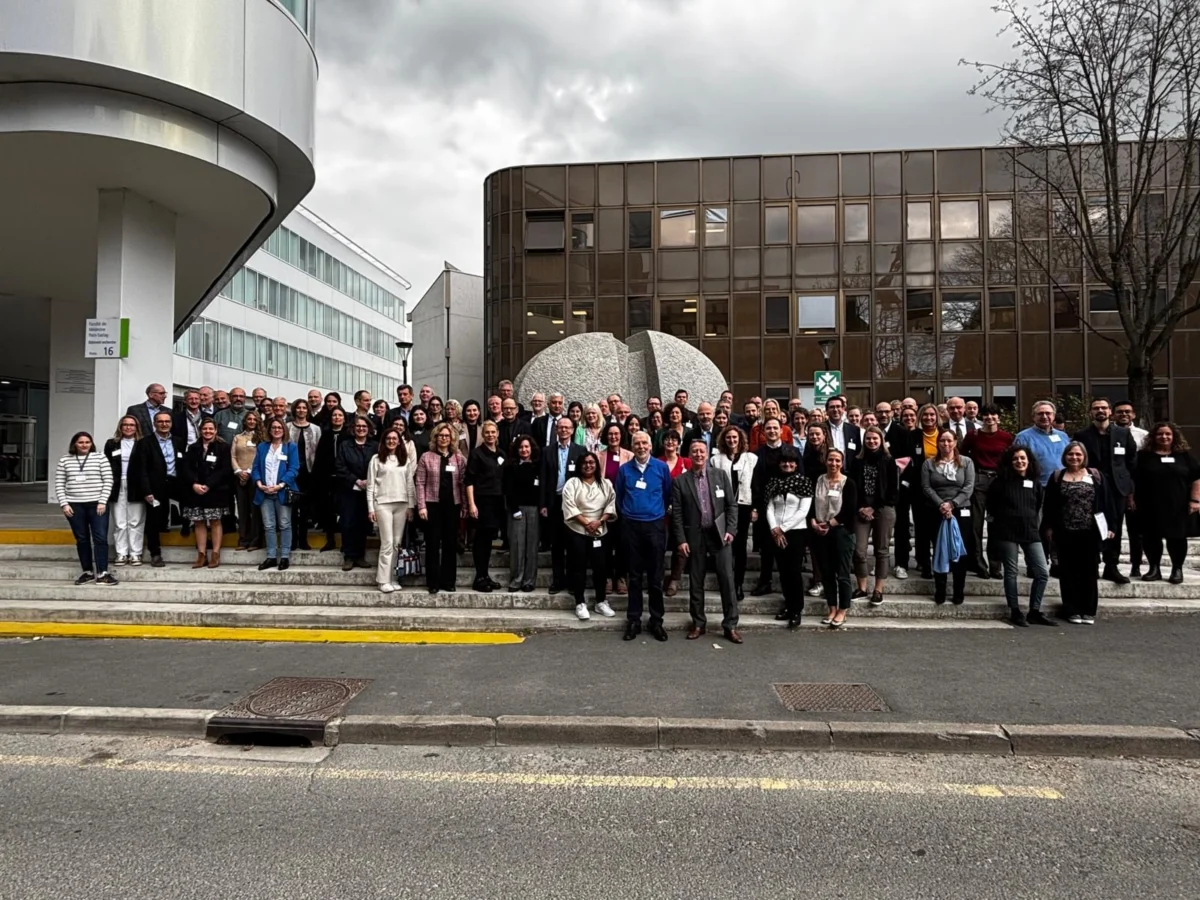
The landscape of respiratory healthcare in Europe is undergoing a profound transformation. At the heart of this shift is the European Lung Foundation (ELF), which currently spearheads 12 distinct Patient Advisory Groups (PAGs). These groups, comprised of individuals with lived experience, carers, and dedicated patient advocates, are no longer peripheral observers; they are now central architects in clinical trial design, research prioritization, and the development of essential healthcare resources.
As of May 2026, these groups have moved beyond simple consultation, embedding the patient voice into the technical and scientific rigors of European respiratory medicine. This report provides a comprehensive round-up of the recent activities, strategic milestones, and future outlook for these vital advisory bodies.

1. Main Facts: The Power of Lived Experience
The fundamental mission of the ELF’s PAGs is to bridge the "evidence gap"—the space between laboratory-based research and the daily, lived reality of managing a chronic lung condition. By working in tandem with the European Respiratory Society (ERS) and various Clinical Research Collaborations (CRCs), these groups ensure that scientific outputs are not only medically robust but also clinically relevant and accessible to patients.
Current PAG focus areas include:
- Alpha-1 Antitrypsin Deficiency (AATD)
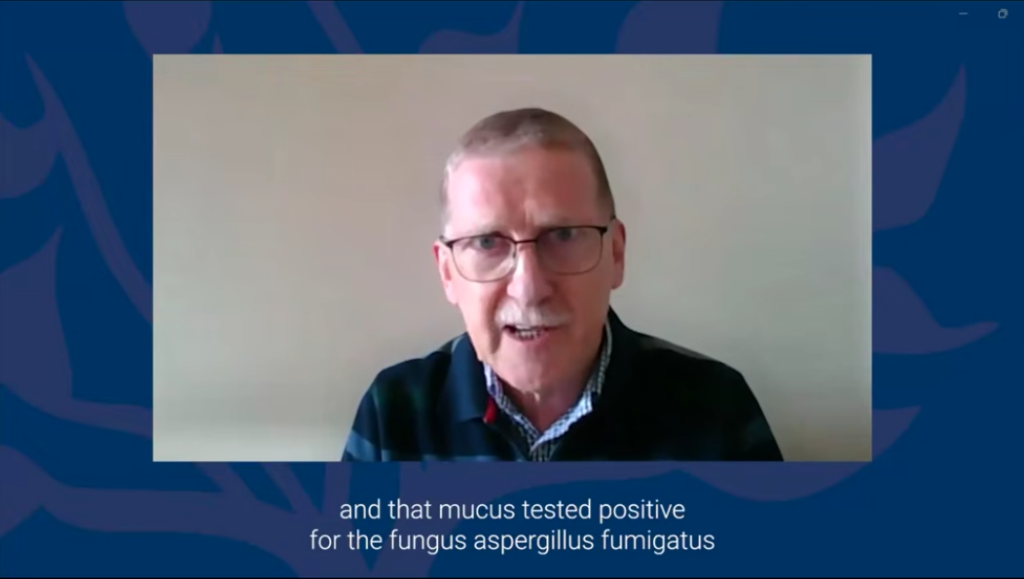
- Aspergillosis
- Asthma
- Bronchiectasis
- Chronic Cough
- Chronic Obstructive Pulmonary Disease (COPD)
- Lung Cancer
- Pulmonary Fibrosis (PF)
- Pulmonary Hypertension (PH)
- Sarcoidosis
- Sleep and Breathing Disorders
2. Chronology of Recent Milestones (Spring 2026)
The first half of 2026 has been marked by a flurry of high-impact activity across the board:
- March 2026: The 6th annual Bronchiectasis Patient Conference sets a record for attendance, signaling a growing appetite for direct engagement between researchers and the patient community.
- April 2026: The COPD PAG contributes to a seminal meeting focused on developing a "core outcome set" for the condition, ensuring that future clinical trials measure what truly matters to patients—such as quality of life and physical mobility—rather than just lung function metrics.
- May 2026: Launch of the dedicated Alpha-1 PAG. This new group aims to tackle the historically low rates of early diagnosis for AATD by collaborating with the European Alpha-1 Research Collaboration (EARCO).
- Upcoming July 2026: Members of the Chronic Cough PAG are set to take the stage at the ERS Cough Conference, continuing their mission to have the condition recognized as a distinct clinical entity rather than a mere secondary symptom.
3. Sector-Specific Developments: Deep Dives
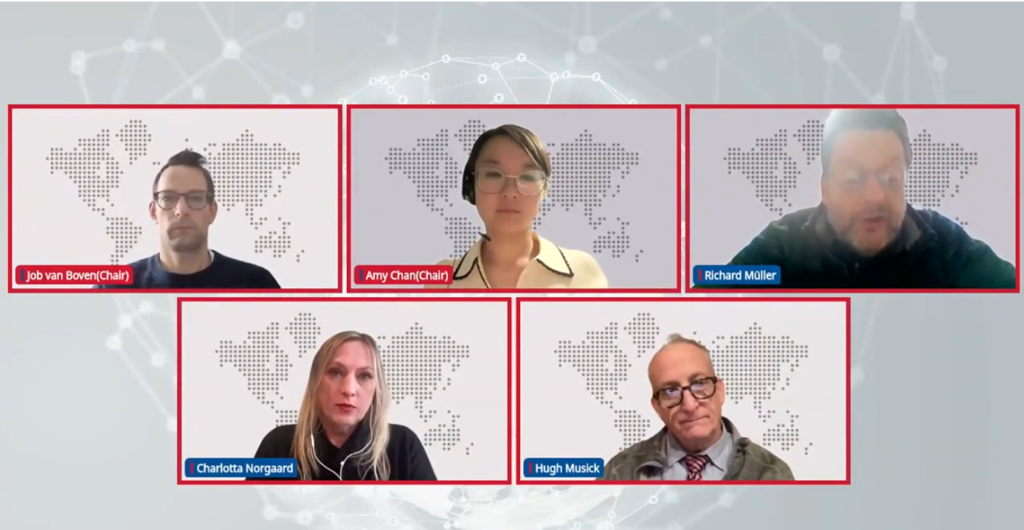
Alpha-1 Antitrypsin Deficiency (AATD)
The newly formed Alpha-1 PAG is hitting the ground running. By partnering with EARCO, the group is positioning itself to influence research priorities. Their primary objective is to standardize care pathways across Europe, ensuring that diagnosis is faster and treatments are more equitably distributed.
Aspergillosis: Practical Living Guides
Perhaps one of the most anticipated releases for summer 2026 is the "Living with Aspergillosis" guide. Unlike traditional clinical pamphlets, this document is entirely shaped by the patient experience. It addresses the "hidden" aspects of the condition: how to handle workplace adjustments, the nuances of international travel with chronic illness, and the psychological burden of managing complex treatment regimens.
Asthma and the SHARP CRC
The Asthma PAG remains a powerhouse of advocacy. Through their work with the Severe Heterogeneous Asthma Research Collaboration (SHARP), they are tackling complex intersectional issues. For instance, member Hilary Hodge is leading a pioneering survey on the impact of asthma on parenting and family life, identifying critical support gaps for caregivers.
Sarcoidosis and the AI Frontier
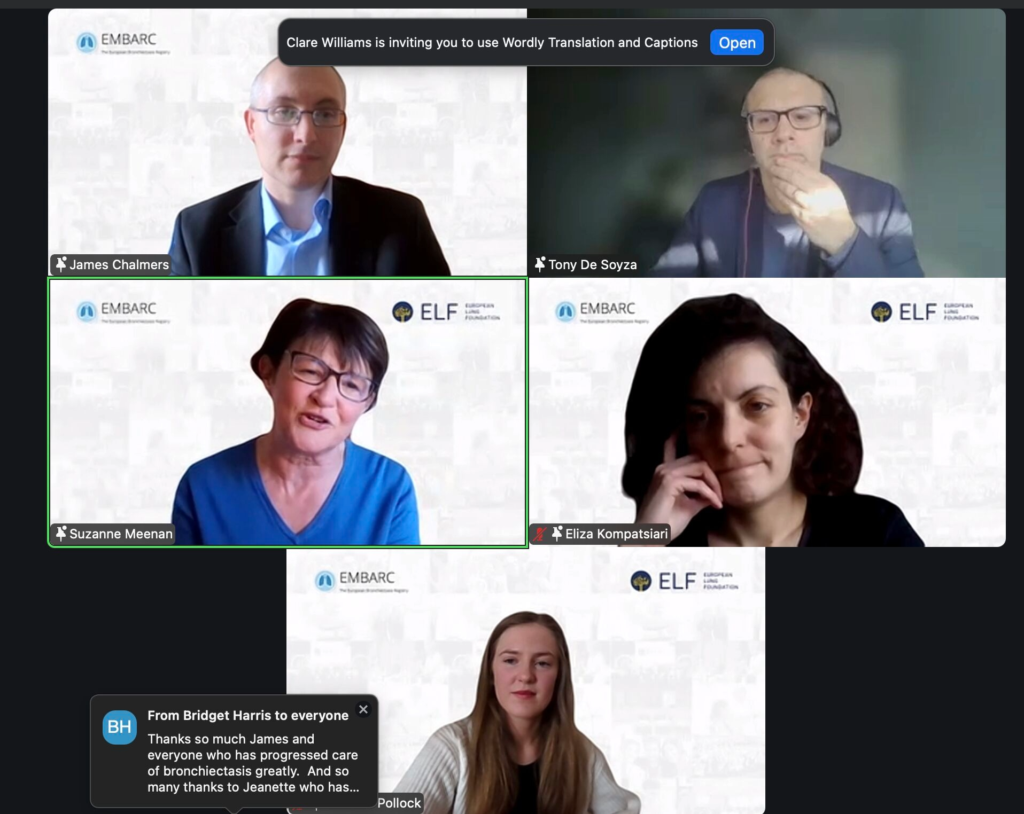
In a forward-looking initiative, the Sarcoidosis PAG has engaged with the AIR-SARCOIDOSIS study. By testing how Artificial Intelligence can assist patients, they are stress-testing AI-generated medical advice against the "gold standard" of expert clinician review. This ensures that as AI integration in medicine grows, it remains accurate, safe, and comprehensible for the average patient.
4. Supporting Data and Scientific Integration
The impact of these groups is not merely anecdotal; it is documented in the increasing number of co-authored publications and guidelines.
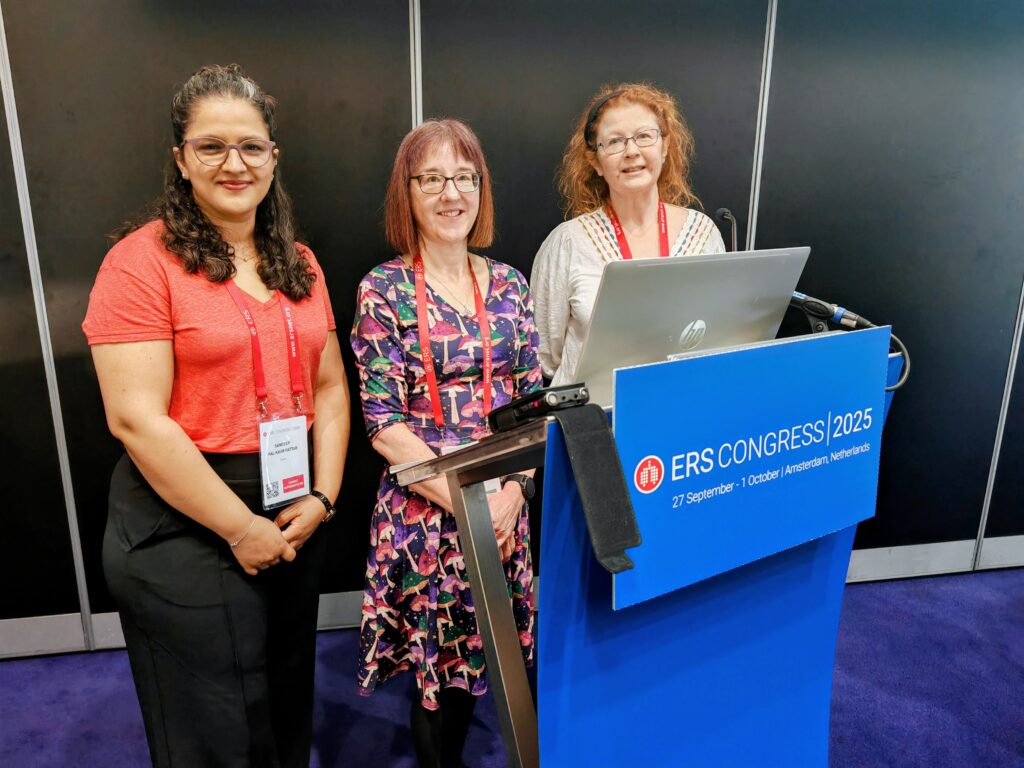
- Clinical Guidelines: Members like Janette (Lung Cancer PAG) and Luca (Sleep/Breathing Disorders) are serving on ERS task forces. Their participation ensures that clinical guidelines for CT screening and CPAP therapy, respectively, include clear instructions on how these results should be communicated to patients to reduce anxiety and improve adherence.
- Monograph Contributions: The inclusion of a patient perspective chapter in the ERS Bronchiectasis Monograph represents a landmark moment for medical literature, acknowledging that scientific knowledge is incomplete without the patient’s context.
- The Sputum Guide: The publication of a comprehensive guide on sputum clearance for bronchiectasis patients has already seen widespread digital distribution, providing an immediate, practical resource that clinicians previously lacked the time or materials to explain in detail.
5. Official Responses and Advocacy
The ELF leadership has consistently emphasized that the success of these groups is contingent on the expertise of the patient-advocates themselves.
"Our PAG members are the true experts in their conditions," says an ELF spokesperson. "When we invite a patient to an ERS task force, we aren’t just checking a box for diversity; we are adding a layer of critical insight that prevents research from becoming detached from the patient’s lived experience."
The collaboration with bodies like ERN-Lung and the PH Academy reflects a strategic pivot toward "Expert Patient" models. This model empowers patients to move beyond sharing their stories to actively managing educational initiatives, such as the upcoming PH Academy, which will train a new generation of patient leaders to navigate the complexities of European healthcare systems.
6. Implications: The Future of Patient-Centricity
The implications of this work are vast. By involving patients in the design of decentralized clinical trials, the ELF is helping to lower barriers to entry—making it easier for patients in rural or remote areas to participate in life-changing research.
Furthermore, the focus on comorbidities—such as the link between bronchiectasis and aspergillosis—highlights a move toward a more holistic view of respiratory health. Patients are the common denominator across these conditions, and their lived experience is often the first to identify where one condition exacerbates another.
How to Get Involved
For those inspired by the work of these groups, the path to advocacy is open. The ELF continues to promote the European Patient Ambassador Programme (EPAP), a free, online, self-learning course designed to equip patients and carers with the skills needed to influence policy, research, and clinical practice.
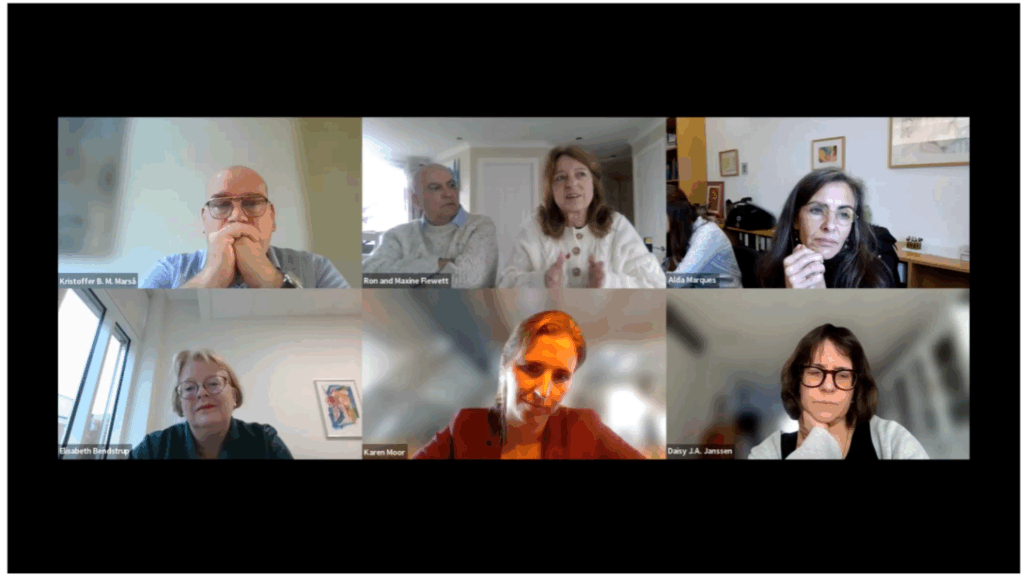
As we move toward the latter half of 2026, the message from the ELF is clear: The future of respiratory medicine is not just "for" patients, it is "with" patients. Whether through the development of self-care guides, participation in high-level research collaborations, or simply raising awareness on World Aspergillosis Day, these groups are proving that the collective patient voice is the most powerful tool in modern medicine.
Interested in joining a Patient Advisory Group?
The European Lung Foundation is always seeking new perspectives. If you are a patient, carer, or advocate, reach out to [email protected] to learn more about how you can contribute to the next wave of respiratory innovation.