











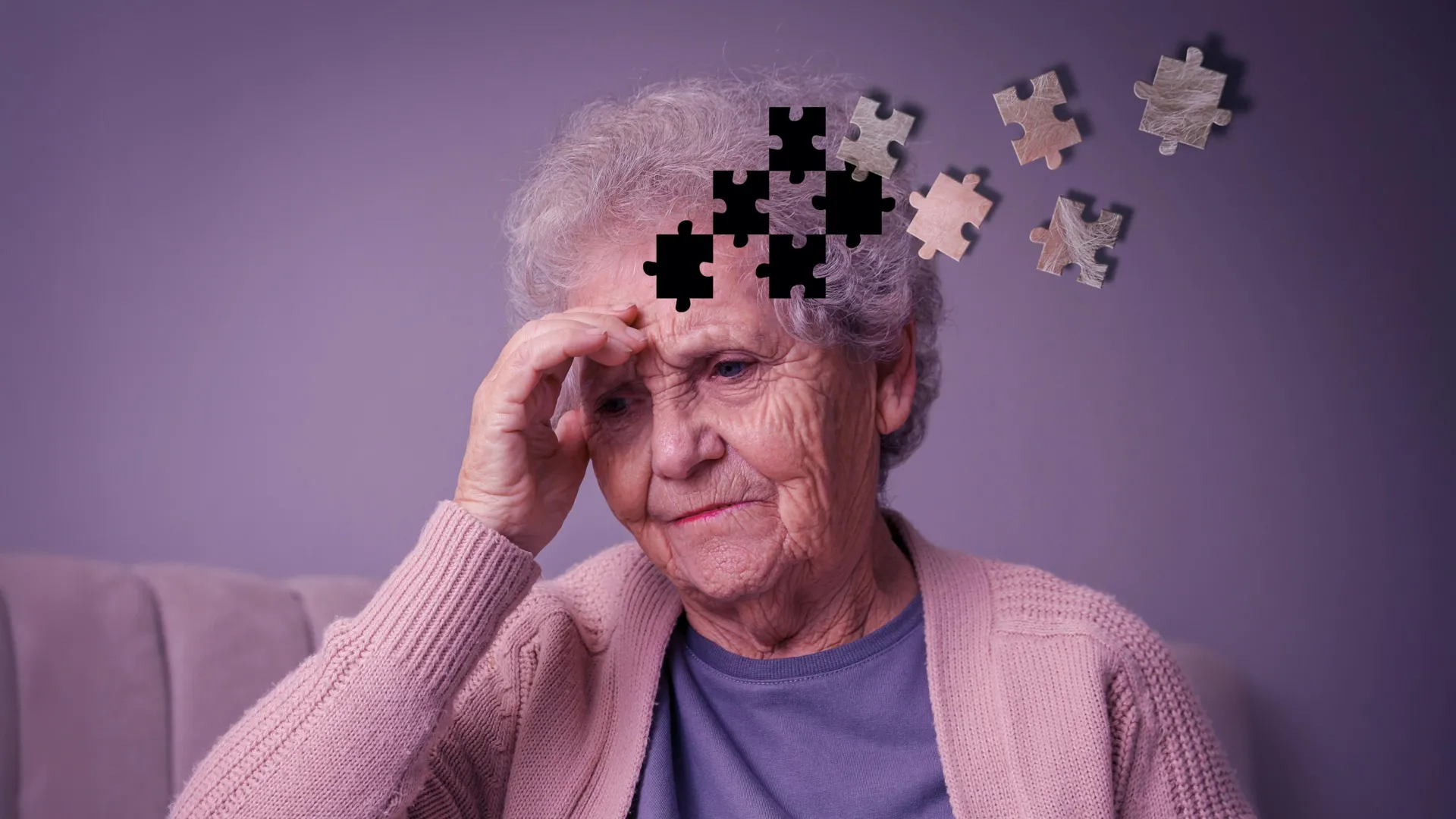
For decades, the medical community has recognized a stark, unsettling reality: women are significantly more likely to develop Alzheimer’s disease and other forms of dementia than their male counterparts. While conventional wisdom has long attributed this disparity primarily to women’s longer average lifespans, groundbreaking new research from the University of California San Diego School of Medicine suggests the story is far more complex.
A study published on May 19, 2026, in the journal Biology of Sex Differences indicates that the biological and lifestyle-related "modifiable" risk factors for cognitive decline do not impact men and women equally. Instead, the research suggests that women are not only more vulnerable to certain conditions but are also more severely affected by them cognitively. This discovery marks a pivotal shift in how scientists approach the prevention of neurodegenerative diseases, moving away from a "one-size-fits-all" model toward a more nuanced, sex-specific framework of precision medicine.
The Magnitude of the Crisis
The statistics surrounding Alzheimer’s disease are sobering. Nearly seven million Americans are currently living with the disease, a number projected to climb as the population ages. Among this cohort, women account for nearly two-thirds of all cases.
Historically, this skew was dismissed as a byproduct of longevity—the simple fact that women, on average, live longer than men. However, the researchers at UC San Diego suggest that lifespan is only a piece of the puzzle. By examining the interplay of biological, social, and lifestyle-related variables, the team has begun to untangle why the female brain appears to face a steeper uphill battle against cognitive decline.
Chronology and Methodology of the Study
The research, led by Dr. Megan Fitzhugh, an assistant professor of neurosciences, and senior author Dr. Judy Pa, a professor of neurosciences at the UC San Diego School of Medicine, sought to challenge existing paradigms. Utilizing data from the Health and Retirement Study—a robust, nationally representative survey of U.S. adults in mid-to-late life—the team analyzed over 17,000 participants.
The methodology involved a comprehensive review of 13 established dementia risk factors. These included:
- Cardiometabolic factors: Hypertension, diabetes, and obesity.
- Lifestyle factors: Physical inactivity, smoking, and alcohol consumption.
- Socio-demographic and mental health factors: Education level and depression.
- Sensory factors: Hearing loss.
The researchers assessed how these factors correlated with cognitive performance scores, comparing the outcomes across sex lines to see if the "weight" of each risk factor was heavier for one group than the other.
Supporting Data: Disparities in Risk and Impact
The study’s data analysis revealed that while certain risk factors are prevalent across the entire population, their "cognitive cost" varies significantly by sex.
Cardiometabolic and Metabolic Sensitivity
Perhaps the most striking finding was the differential impact of cardiovascular and metabolic health. Hypertension and elevated Body Mass Index (BMI)—common markers of cardiometabolic stress—showed a much steeper negative association with cognitive function in women than in men. Essentially, the "cognitive penalty" for high blood pressure or excess weight appears to be more severe for the female brain.
The Hearing and Diabetes Paradox
Interestingly, the study highlighted a paradoxical relationship between prevalence and impact. While conditions such as hearing loss and diabetes were found to be more common in men, their presence was more strongly correlated with lower cognitive scores in women. This suggests that the physiological mechanism of damage caused by these conditions may be more aggressive in the female brain, or perhaps that the female brain has less resilience to the secondary effects of these ailments.
Socio-Economic and Lifestyle Factors
The data also shed light on systemic disparities. Women in the study had, on average, lower educational attainment—a known protective factor against cognitive decline. Furthermore, the researchers noted that the prevalence of depression—which is higher in women—acts as a significant, modifiable bottleneck for brain health.
Official Responses and Expert Insights
The implications of these findings have been met with enthusiasm by researchers who advocate for a sex-inclusive approach to public health.
"Looking beyond which risk factors are most common, we found that some have a disproportionately larger impact on women’s cognition," said Dr. Megan Fitzhugh. "This suggests that prevention efforts may be more effective if they are tailored not just to risk factor prevalence, but to how strongly each factor affects cognition in women versus men."
Dr. Judy Pa, the senior author of the study, emphasized the broader systemic oversight in medical research. "These differences highlight the importance of considering sex as a key variable in dementia research," Pa stated. "Sex differences are profoundly overlooked among many leading causes of death, like Alzheimer’s, heart disease, and cancer."
The researchers underscored that their work is not merely academic; it is a call to action for clinicians to recalibrate how they screen and treat their patients. By recognizing that a woman with hypertension might be at a higher risk of cognitive decline than a man with the same blood pressure reading, doctors can prioritize more aggressive management strategies for female patients.
Implications for Future Prevention: The Rise of Precision Medicine
The findings from UC San Diego provide a robust scientific foundation for the growth of precision medicine. If we know that specific risk factors hit women harder, public health campaigns can move away from generic "brain health" advice toward targeted, evidence-based interventions.
Targeted Interventions for Women
For women, the research points to several specific areas where intervention could yield significant cognitive dividends:
- Cardiovascular Rigor: Because hypertension showed a stronger negative impact on women’s cognition, managing blood pressure should be elevated to a top-tier cognitive prevention strategy.
- Mental Health as Brain Health: Given the high prevalence of depression among women, treating it is not just a matter of emotional well-being but a critical step in preserving neurological function.
- Physical Activity: Increasing physical activity serves as a multi-pronged intervention, helping to mitigate the cardiometabolic factors that the study identified as particularly damaging to the female brain.
The Need for Further Exploration
Despite the clarity of the results, the "why" remains the next great frontier for neuroscientists. Dr. Fitzhugh and her team acknowledge that the study did not isolate the exact biological interactions at play. Possible explanations—which remain subject to ongoing investigation—include the role of hormonal fluctuations (such as the impact of menopause on brain chemistry), underlying genetic predispositions, and the influence of social and structural inequities, including differential access to high-quality healthcare.
Conclusion: A New Era of Cognitive Care
The study, titled "Sex differences in modifiable risk factors of dementia and their associations with cognition," was funded by the National Institute on Aging and the Alzheimer’s Association. By demonstrating that the female brain is uniquely vulnerable to specific, modifiable threats, the authors have effectively argued that "sex-blind" medicine is, in effect, incomplete medicine.
As the global population ages, the burden of dementia will only grow. By shifting our understanding of how risk factors manifest across genders, we can design smarter, more personalized interventions. For the millions of women currently at risk, this research offers a glimmer of hope: by identifying these specific vulnerabilities early, medical professionals may be able to intervene in ways that were previously ignored, potentially preserving cognitive function and quality of life for decades to come.
The path forward is clear: we must stop treating dementia as a monolithic condition and start treating it as a dynamic, gendered health challenge. Only then can we hope to reduce the disproportionate burden that has defined this disease for too long.