In a landmark decision for precision medicine and immunotherapy, the U.S. Food and Drug Administration (FDA) has granted accelerated approval to Tudriqev (vusolimogene oderparepvec-wtpg), formerly known as RP1. This milestone, announced on August 6, 2026, represents the first time in over a decade that a new oncolytic virus therapy has cleared federal regulatory hurdles. Designed for adults battling unresectable advanced cutaneous melanoma that has proven resistant to previous PD-1-blocking treatments, Tudriqev offers a glimmer of hope to a patient population previously running out of options.
The therapy is administered in combination with the immune checkpoint inhibitor nivolumab (Opdivo®). By leveraging the inherent power of a modified virus alongside the immune-priming capabilities of checkpoint blockade, this dual-pronged approach marks a sophisticated evolution in how oncologists treat refractory cancers.
The Mechanism: Turning Viruses Against the Enemy
The concept of using viruses to combat malignancy might sound counterintuitive to the average person, as humanity has spent centuries perfecting the art of avoiding viral pathogens. However, oncolytic virus therapy represents a paradigm shift in medical science: the transformation of a biological "villain" into a precision-guided "weapon."
Direct Lysis: The Primary Assault
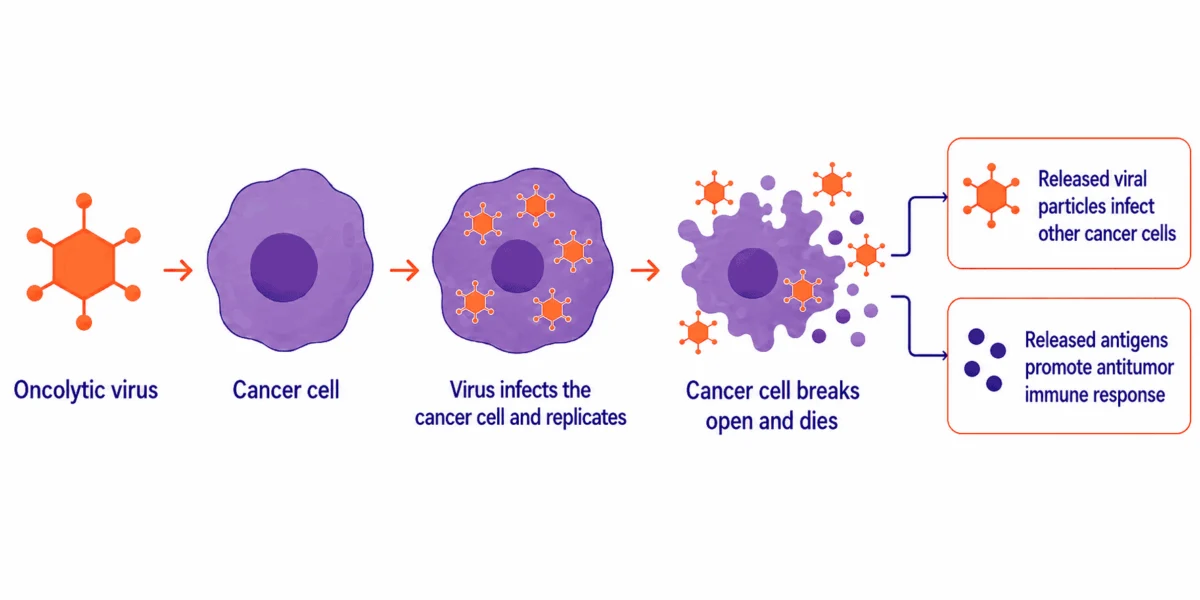
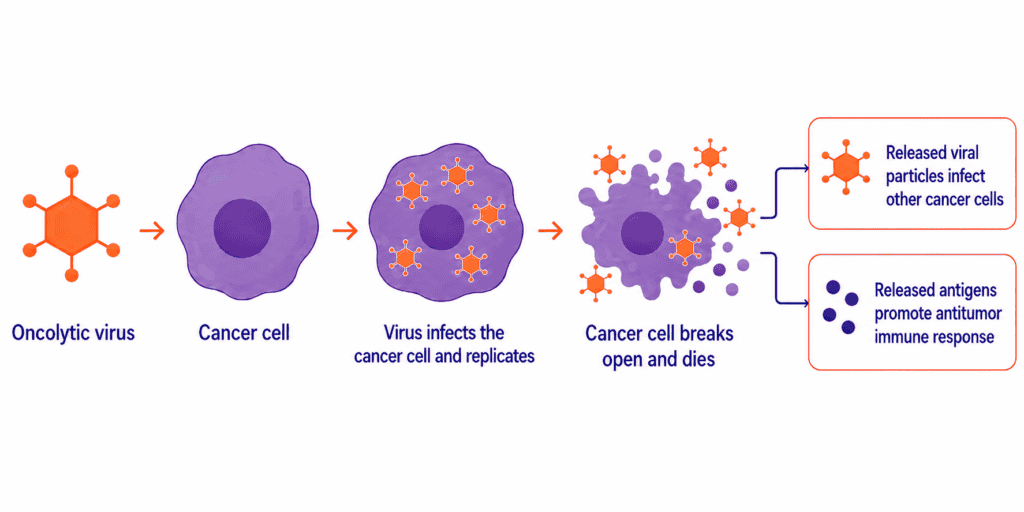
Oncolytic viruses operate via a dual mechanism of action. First, they engage in direct, localized destruction. Once injected into a tumor, the virus selectively infects cancer cells. Because the virus is engineered to thrive in the metabolic environment of a tumor, it begins to replicate rapidly. This process culminates in "lysis"—the physical bursting of the cancer cell—which destroys the malignant cell and releases a fresh wave of viral particles to infect neighboring tumor cells.
The Immune Wake-Up Call
The secondary, and perhaps more critical, effect is the stimulation of the immune system. When cancer cells are destroyed by the virus, they spill their contents into the surrounding environment. This "debris" includes cancer-associated proteins and inflammatory markers that serve as red flags for the immune system. By essentially "unmasking" the tumor, the therapy forces the body’s T-cells to recognize the cancer as a dangerous threat rather than a hidden neighbor.
When paired with checkpoint inhibitors like nivolumab—which remove the "brakes" that normally prevent T-cells from attacking—the therapeutic synergy becomes powerful. The virus primes the immune system, and the checkpoint inhibitor ensures that the immune response remains active and sustained.
Chronology of a Scientific Breakthrough
The road to the approval of Tudriqev is paved with over a century of experimental history, characterized by trial, error, and eventual technological refinement.
- 1904: The First Observations: Early physicians reported instances of tumor regression in patients coincidentally suffering from viral infections, planting the seed for oncolytic research.
- 1950s–1960s: Early Clinical Attempts: Researchers began deliberately using naturally occurring viruses in cancer patients. However, these efforts were largely abandoned due to safety concerns and a lack of ability to control viral spread beyond the target tissue.
- 1990s: The Genomic Revolution: Advances in genetic engineering allowed scientists to safely modify viruses, effectively stripping them of their ability to cause systemic illness while enhancing their capacity to target tumors specifically.
- 2015: The First Approval: The FDA approved T-VEC (talimogene laherparepvec, or Imlygic®), marking the first time an oncolytic virus reached the market in the U.S.
- 2026: A New Era: With the approval of Tudriqev, the therapeutic arsenal for melanoma expands, providing a critical follow-up to the 2015 milestone and demonstrating that oncolytic virotherapy is a maturing, viable field of oncology.
Supporting Data: The IGNYTE Clinical Trial
The FDA’s approval of Tudriqev was primarily driven by data from the IGNYTE clinical trial, a study focused on patients with advanced, unresectable melanoma who had already failed to respond to prior PD-1-blocking therapies.
The trial enrolled 140 participants. The efficacy analysis was particularly striking in its assessment of 91 patients who harbored at least one tumor that was not directly injected with the virus. This is a crucial metric, as it measures the "abscopal effect"—the ability of the treatment to elicit an immune response against distant, uninjected tumors.
Data showed that 24.2% of these patients experienced an objective response, with their tumors shrinking by a predefined threshold. Perhaps more importantly, the durability of these responses was significant, with a median duration of 14.1 months. These findings suggest that the therapy is not just a localized fix, but a systemic immune-modulator.
Regulatory Implications: The Accelerated Approval Pathway
It is important to understand what the "accelerated approval" designation signifies for patients and providers. This pathway allows the FDA to grant approval based on evidence that is "reasonably likely to predict clinical benefit," even before long-term survival data is fully matured.
For Replimune, the developer of Tudriqev, this is a significant step, but it carries a mandate. The company is required to conduct additional, confirmatory clinical trials to solidify the evidence regarding the long-term clinical benefits of the Tudriqev/nivolumab combination. Should these future studies fail to verify the initial promise shown in the IGNYTE trial, the FDA reserves the right to withdraw the approval. This process strikes a delicate balance between granting patients early access to life-extending therapies and maintaining rigorous safety and efficacy standards.
Clinical Realities: Safety and Side Effects
Like all potent immunotherapies, Tudriqev is not without risks. Because it is a modified herpes simplex virus (HSV), clinicians must be cautious regarding viral exposure. Common adverse events reported in the IGNYTE trial included:
- Systemic reactions: Fatigue, fever, and chills.
- Injection-site reactions: Localized inflammation or pain.
- Flu-like symptoms: Commonly observed as the immune system ramps up its activity.
Health care providers are advised to discuss these risks thoroughly with patients. Furthermore, there are strict protocols regarding accidental exposure to the virus, necessitating that both patients and caregivers adhere to safety guidelines to prevent transmission to others, particularly those who are immunocompromised.
The Future of Oncolytic Virotherapy
While Tudriqev is currently approved only for melanoma, the broader field of oncolytic virotherapy is expanding rapidly. Researchers are currently testing hundreds of similar approaches for dozens of different cancer types in clinical trials across the globe.
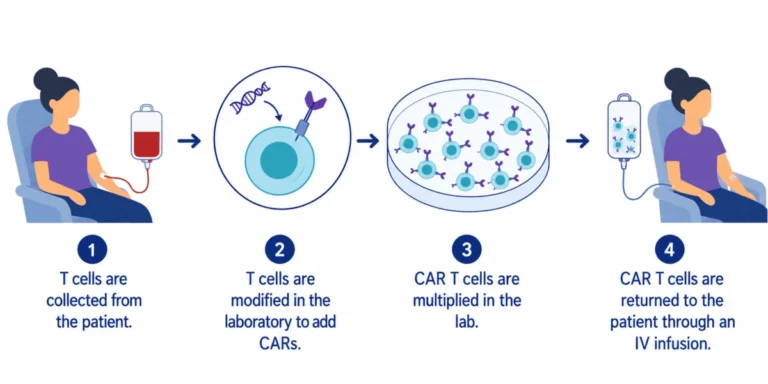
The ultimate goal of this research is to move beyond "one-size-fits-all" therapies. Scientists are working to determine which tumor microenvironments are most susceptible to viral infection and which combinations of therapies—be it CAR-T cells, radiation, or chemotherapy—will yield the highest success rates when paired with oncolytic viruses.
The Cancer Research Institute (CRI) continues to track these developments, noting that before the advent of Tudriqev, oncolytic viruses made up only a tiny fraction of the 156 FDA-approved cancer immunotherapies. This suggests that while the field is still in its infancy, the potential for expansion is vast.
Conclusion
The approval of Tudriqev is a testament to the power of interdisciplinary science. By bridging the gap between virology and immunology, researchers have unlocked a new way to help the body fight back against the most persistent of diseases. For patients with advanced melanoma who have exhausted standard-of-care options, this therapy represents more than just a drug—it represents a new strategic front in the war on cancer.
As clinicians begin to integrate this therapy into real-world practice, the focus will shift toward optimizing patient selection and managing long-term outcomes. For now, the medical community celebrates this victory as a clear sign that the "viral" approach to cancer treatment is no longer a fringe concept, but a cornerstone of the next generation of immunotherapy.
For those interested in a deeper dive into the mechanics of these treatments, the Cancer Research Institute (CRI) provides comprehensive resources, including their "Infecting Cancer: How Viruses Are Turning the Tide Against Tumors" webinar, which features leading experts in the field. Patients are encouraged to consult their oncologists to determine if clinical trial enrollment or new therapies are appropriate for their specific diagnosis.