By Michele Rice
For millions of Americans, chronic pain is more than a clinical diagnosis; it is a cartographer of their existence. It draws lines around the landscape of daily life, delineating what is possible and what must be surrendered. These boundaries—some physical, some emotional, and some established as rigid routines for survival—eventually calcify, creating a sense of permanence that can feel inescapable.
For many, the morning is the most formidable of these boundaries. It is a time of profound physical stiffness, heightened sensitivity, and the slow, arduous process of cognitive awakening. Yet, as recent experiences at the U.S. Pain Foundation demonstrate, these lines are not as indelible as they appear. Through the lens of a daily peer-led support initiative, a new narrative of resilience and community is emerging—one that proves that even within the confines of chronic illness, there is significant room for growth, connection, and contribution.
The Genesis of a Lifeline: A Decision Rooted in Empathy
The U.S. Pain Foundation, a leading advocacy organization for individuals living with complex pain conditions, has long recognized that clinical care represents only one pillar of patient health. The second, and arguably more vital pillar, is peer support. When the organization identified an urgent need for a new facilitator for its daily morning support group, the request was clear: the community required a consistent anchor.
The decision to step into this role was not a calculated professional move; it was an act of intuitive solidarity. For those who live in a state of persistent discomfort, the prospect of committing to a daily morning engagement—when the body is at its most resistant—is daunting. There is a natural tendency to retreat, to prioritize energy conservation, and to avoid the unpredictability of social interaction during the most painful hours of the day.
However, the realization that this specific support group served as a vital lifeline for dozens of individuals superseded personal hesitation. For these participants, the morning sessions were not merely meetings; they were the difference between isolation and connection. The decision to lead was born from a simple, singular desire: to ensure that no one in that community would wake up to a morning devoid of the support they had come to rely upon.
Chronology of a Transformation: From Routine to Ritual
The transition into the role of a facilitator was a process of deliberate, often uncomfortable, habit-breaking.
- The Initial Adjustment: The first several weeks were defined by a clash between the physical reality of chronic pain and the demands of the schedule. This required waking earlier than the body naturally desired and, perhaps more challenging, choosing to show up on camera even on days when the pain was visceral and the fatigue was overwhelming.
- The Period of Resistance: Initially, the role felt like a drain on limited energy reserves. The act of guiding conversations and maintaining a presence when one’s natural instinct was to withdraw created a palpable tension. The "lines" that had previously defined the boundaries of daily activity were being pushed, and the sensation was one of profound discomfort.
- The Turning Point: As the weeks progressed, the dynamic shifted. The energy expended in facilitation began to return in the form of reciprocal support. The group, originally viewed as a task to be managed, evolved into a source of emotional refueling.
- Sustainability: Currently, the group has become a fixture of the morning routine. The act of logging in and greeting the group has transformed from a chore into a foundational ritual, proving that the body and mind can adapt to new demands when motivated by a sense of purpose.
The Anatomy of Peer Support: Data and Dynamics
While the experience is deeply personal, it mirrors broader trends in patient advocacy. According to research by the U.S. Pain Foundation and similar health advocacy groups, peer support is statistically linked to improved mental health outcomes for patients with chronic conditions.
The Power of Shared Vulnerability
Data suggests that "social isolation" is the most significant secondary complication of chronic pain. When individuals engage in daily, structured peer interactions, reports of depression and anxiety decrease. The "support flow" observed in the morning group confirms that facilitation is not a unidirectional service; it is a cycle.
- Honesty: Participants are more likely to report accurate symptoms and emotional states in a peer-led environment than in a clinical one, where they may feel pressured to perform "wellness."
- Resilience Modeling: When a participant witnesses another member navigating a "flare-up" with grace, it provides a practical blueprint for their own coping mechanisms.
- Educational Exchange: Information sharing—ranging from ergonomic tips to the navigation of insurance hurdles—often occurs more rapidly in these forums than through traditional medical channels.
Official Perspectives: The Role of Advocacy in Chronic Pain Management
Experts within the pain management community have long advocated for "biopsychosocial" models of care. Dr. Elena Rodriguez, a specialist in pain rehabilitation, notes: "The clinical intervention—medication, physical therapy, or surgery—is only part of the story. The social component, the feeling of being witnessed and understood by peers, triggers neurobiological responses that can lower perceived pain levels. When a patient feels they have a purpose, such as leading a group, the brain shifts focus from internal pain signaling to external engagement."
The U.S. Pain Foundation emphasizes that peer groups are not a substitute for medical care, but a necessary supplement. By fostering environments where patients are treated as "experts by experience," organizations can effectively bridge the gap between clinical appointments, preventing the "drift" that often leads to patient non-compliance or mental health crises.
The Implications: Redefining the "Limits" of Illness
The success of this morning initiative carries profound implications for how we view chronic illness. We often define our lives by our "limits," but the experience of this support group suggests that these limits are fluid.
1. The Flexibility of Boundaries
The "lines" we draw—the routines, the avoidance of stressors, the rigid adherence to safety—are often self-imposed as a form of armor. While this armor protects us, it can also imprison us. The implication here is that by cautiously testing those boundaries, individuals can expand their quality of life, finding that they are capable of more than their condition initially suggested.
2. The Reciprocity of Service
The most striking implication is the realization that in helping others, we inadvertently heal ourselves. This is not a cliché; it is a functional psychological mechanism. Shifting the focus from "my pain" to "our support" provides a sense of agency. Even if the pain persists, the individual’s relationship to that pain changes from one of passive victimhood to active management.
3. Purpose as a Pain Management Tool
The pursuit of purpose acts as a buffer against the demoralizing effects of long-term illness. Whether it is leading a group, mentoring a peer, or simply participating in a conversation, contributing to the well-being of others is a powerful stimulant for the human spirit. It reminds the individual that their identity is not solely comprised of their diagnosis.
Conclusion: Growth Beyond the Lines
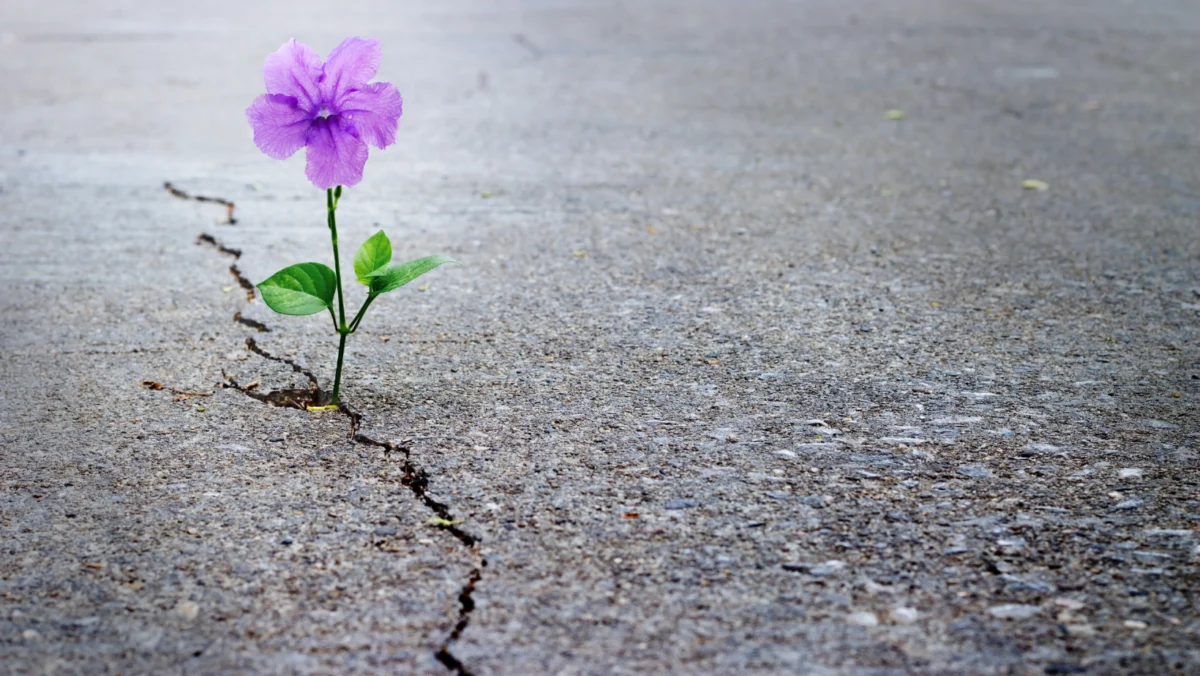
Chronic pain may irrevocably change the shape of a life, but it does not dictate its contents. It does not erase the capacity for growth, nor does it invalidate the need for human connection. The journey from a solitary morning of pain to a collective morning of support is a testament to the fact that we are not defined by the boundaries of our physical condition.
Growth, in the context of chronic illness, does not always look like a recovery in the traditional, clinical sense. Sometimes, it is much simpler. It is the act of showing up. It is the bravery of turning on a camera, of saying "Good morning" to a group of strangers who feel like family, and of realizing that by reaching out to support others, you have quietly stepped over the lines you once thought were permanent.
In the end, the most meaningful contribution we can make is to demonstrate that even when the body is in pain, the spirit can remain in motion. We are not just patients; we are partners in each other’s survival. And in that shared space, we find the strength to move forward, one morning at a time.