








Introduction: The New Frontier of Personalized Medicine
On May 19–20, 2026, Brussels became the focal point for a transformative dialogue in oncology. As the OPTIMA (Optimal Treatment for Patients with Solid Tumours in Europe) consortium convened its Annual Meeting, the atmosphere was defined not just by the hum of technical innovation, but by a profound commitment to the human element. At the heart of the proceedings was a clear directive: as artificial intelligence (AI) begins to rewrite the rulebook for cancer diagnosis and treatment, the patient must remain the ultimate authority and primary beneficiary.
The OPTIMA project, an ambitious EU-funded initiative, is currently spearheading the development of advanced data-driven platforms designed to revolutionize care for those suffering from lung, breast, and prostate cancer. However, the Brussels summit served as a critical reminder that technological prowess is nothing without public trust and patient-centric design.
Main Facts: The OPTIMA Mission
The OPTIMA consortium is a multi-stakeholder powerhouse, bringing together clinical researchers, data scientists, and industry leaders with a singular goal: to leverage AI to move beyond the "one-size-fits-all" model of cancer treatment. By aggregating vast datasets, the project aims to create a decision-support system that can offer clinicians real-time insights into personalized therapy options.
Key highlights of the 2026 Annual Meeting included:
- A Shift Toward Co-creation: Moving from "designing for" patients to "designing with" them.
- The PPAB Influence: The Public/Patient Advisory Board (PPAB) served as the conscience of the meeting, ensuring that every AI tool developed under the project banner adheres to ethical guidelines, transparency standards, and accessibility requirements.
- The "Human-in-the-Loop" Consensus: A firm agreement that while AI can process data at speeds impossible for humans, the final clinical decision must always involve the expertise of a medical professional.
Chronology of the Brussels Summit
The two-day event was structured to bridge the gap between technical milestones and the lived experience of cancer patients.
Day 1: Laying the Groundwork
The first day was dedicated to internal updates on the OPTIMA platform. Consortium partners showcased the progress of the data repository, which is intended to house high-quality, interoperable data across three major cancer types. Presentations focused on the technical architecture of the AI models, which are being trained to identify prognostic markers and predict patient response to various therapeutic regimens.
Day 2: The PPAB Takeover
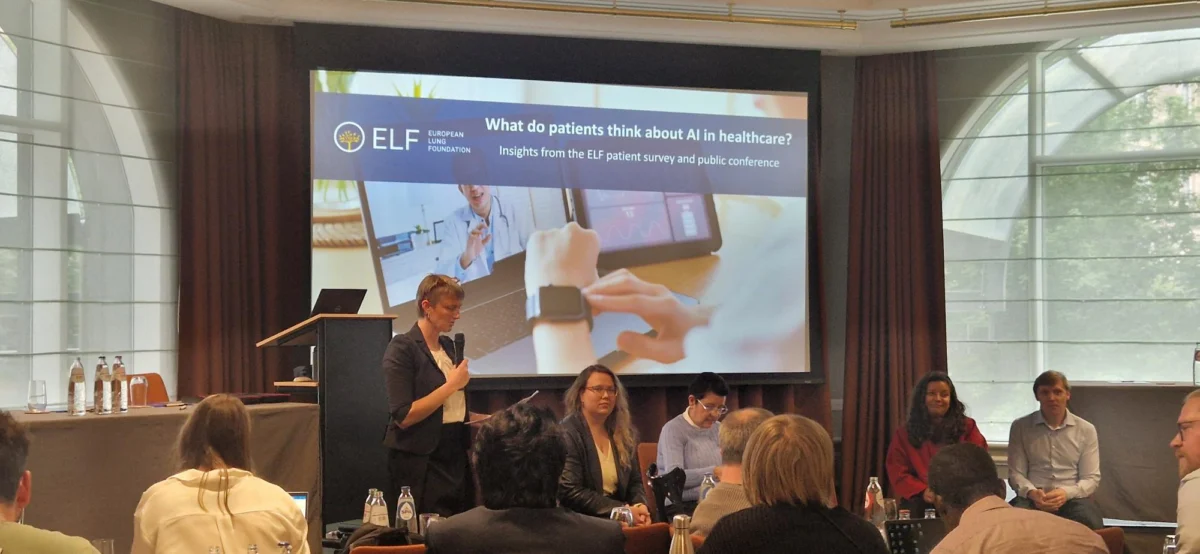
The second day shifted focus to the "From Data to Decisions" session. This was the highlight of the event, where patient representatives took center stage. The agenda included a deep dive into the findings of the European Lung Foundation (ELF) patient survey, which assessed public sentiment regarding digital health tools. The day culminated in a panel discussion featuring researchers and PPAB members, such as Ximena Montano of Europa Donna, who provided a bridge between cold data and human reality.
Supporting Data: Why Trust Matters
The necessity of the PPAB’s involvement is supported by data presented during the meeting. Insights from the ELF survey and various public workshops on AI-enabled health solutions revealed several critical trends:
- The Transparency Gap: Patients expressed a willingness to embrace AI, but only if they understand how the AI reached its conclusion. "Black box" algorithms are non-starters for patients making life-altering decisions.
- Information Anxiety vs. Empowerment: While patients are eager for real-time access to clinical study results, there is a legitimate fear that raw data, if not communicated through the filter of a trusted doctor, could lead to confusion or unnecessary distress.
- The Digital Divide: There is a persistent concern that AI-driven healthcare could inadvertently exclude older patients or those with less digital literacy. The consortium addressed this by emphasizing the need for accessible, intuitive interfaces.
Official Responses and Perspectives
The dialogue during the session was marked by a refreshingly candid exchange between the scientific community and patient advocates.
Ximena Montano, representing Europa Donna on the PPAB, was a vocal advocate for the "augmented physician" model. During the panel discussion, she noted: "It was clear that patients do favour the use of AI but in conjunction with members of the medical profession. It was deemed important that conversations regarding treatment options and decisions should be made with participation of the specialised professional, such as an oncologist and AI."
Montano’s sentiments reflect a broader consensus within the PPAB: that AI should be viewed as a powerful tool in a doctor’s medical bag, not a replacement for the empathy, intuition, and ethical accountability of a human oncologist.
Furthermore, Montano expressed genuine optimism about the future: "Patients are excited about the prospect of AI in cancer care as it will also provide information in real time, for example, of results from clinical studies and the introduction of novel and personalised therapies." Her reflection on the meeting’s conclusion underscored the success of the platform in fostering a collaborative environment: "The OPTIMA Consortium AGM demonstrated the significant advances regarding the creation of a platform designed for the participation of cancer patients, their clinical teams and AI to enhance their health care."
Implications: The Future of Oncology
The implications of the OPTIMA Annual Meeting extend far beyond the consortium’s own project scope. By formalizing the role of the PPAB, OPTIMA is setting a gold standard for how European health initiatives should handle disruptive technology.
1. Rebuilding the Patient-Provider Relationship
AI, if implemented correctly, has the potential to move the patient-provider relationship away from a paternalistic model toward a partnership model. When a doctor and a patient can view the same AI-generated insights, it creates a "shared language" for decision-making.
2. Regulatory and Ethical Hurdles
The discussions in Brussels highlighted the ongoing need for strict oversight. As these AI tools move toward clinical integration, the regulatory framework must ensure that safety, data privacy, and bias mitigation remain top priorities. The PPAB’s role is to ensure that these ethical considerations are not treated as "after-the-fact" hurdles, but as core components of the design process.
3. Real-World Evidence and Clinical Trials
One of the most promising avenues discussed was the use of AI to match patients with clinical trials. By mapping patient profiles against trial criteria in real time, AI could dramatically accelerate the recruitment process and help patients gain access to life-saving novel therapies that they might otherwise have missed.
Conclusion: A Collaborative Road Ahead
As the OPTIMA project continues its trajectory, the lessons from the Brussels meeting are clear: the future of cancer care is not merely about the sophistication of the algorithm, but the strength of the trust between the patient, the physician, and the machine.
The "From Data to Decisions" session solidified a path forward that is both high-tech and high-touch. By ensuring that patient needs are at the core of tool development, the OPTIMA consortium is not just building software—they are building a healthcare ecosystem that is more transparent, more effective, and profoundly more human.
As AI becomes an increasingly ubiquitous presence in hospitals and clinics, the work being done by the PPAB stands as a testament to the fact that when we involve those most affected by the disease in the creation of the cure, we don’t just get better technology—we get better outcomes for everyone.
About the OPTIMA Project
The OPTIMA project (Optimal Treatment for Patients with Solid Tumours in Europe) is an ambitious EU-funded initiative dedicated to transforming oncology. By harnessing the power of Artificial Intelligence and Big Data, the project strives to develop evidence-based, personalized treatment guidelines for lung, breast, and prostate cancer. By integrating clinical, genomic, and real-world data, OPTIMA aims to support healthcare providers in delivering the right treatment to the right patient at the right time.