







In an era defined by global economic shifts and tightening research budgets, the scientific community has faced an unprecedented period of volatility. Funding streams that were once considered reliable have begun to fluctuate, leaving promising, high-stakes research in a precarious position. Yet, within this landscape of uncertainty, the Cancer Research Institute (CRI) has emerged as a stabilizing force, marking the 2025–26 fiscal year with a historic commitment to the future of oncology.
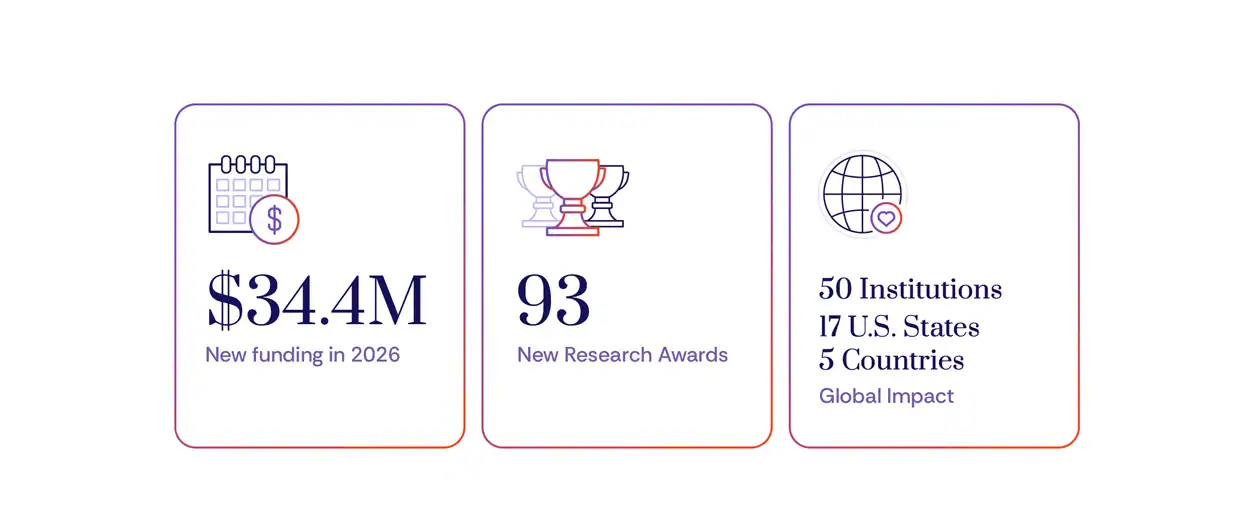
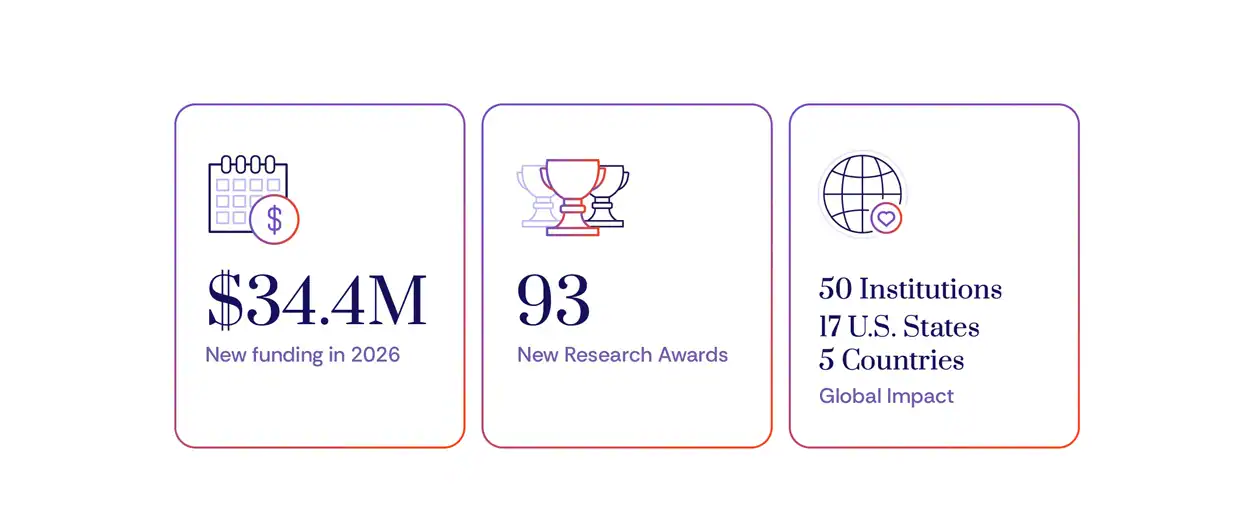
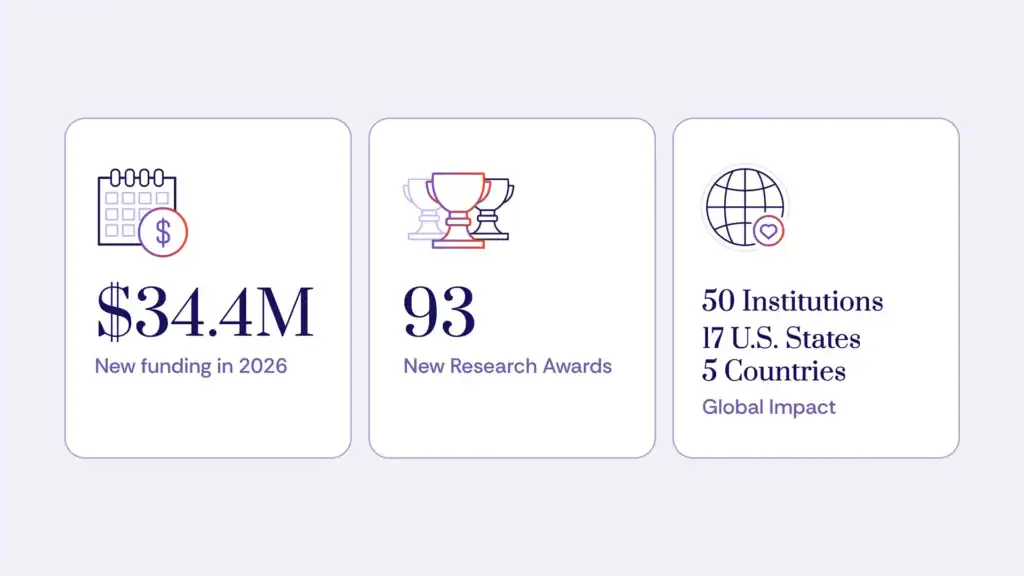
By dedicating a record-breaking $34.4 million in new funding across 93 awards, the CRI has sent a clear message: the pace of discovery must not falter. This investment represents more than just capital; it is a strategic maneuver designed to protect the "human element" of science—the visionary researchers whose early-career breakthroughs are poised to redefine how we treat cancer.
The Financial Pillar: A Record-Setting Year
The numbers behind the CRI’s latest fiscal report are striking, but they serve primarily as a baseline for the institute’s broader impact. With $34.4 million distributed across 50 institutions in 17 states and five countries, the CRI has successfully decentralized its support, ensuring that talent is identified and nurtured wherever it may reside.
These 93 awards are not distributed as one-size-fits-all grants. Instead, they are categorized into a deliberate pipeline of support. From postdoctoral fellowships designed to launch careers to the newly minted IGNITE Award and the prestigious Lloyd J. Old STAR Awards, the CRI is building a "continuum of support." This structure acknowledges a fundamental truth of modern research: a single discovery is rarely the result of a single moment of genius. Rather, it is the product of years of sustained, reliable backing that allows a scientist to take the risks necessary to solve the most complex biological puzzles.
Chronology: Seven Decades of Persistent Innovation
The CRI’s recent surge in funding is not an isolated event; it is the culmination of over 70 years of institutional philosophy.
- The Foundational Years (1950s–1980s): Since its inception, the CRI has focused on the untapped potential of the immune system. At a time when immunotherapy was considered a fringe concept by many in the medical establishment, the institute provided the initial funding that allowed pioneers to prove that the body’s own defenses could be harnessed to fight malignant cells.
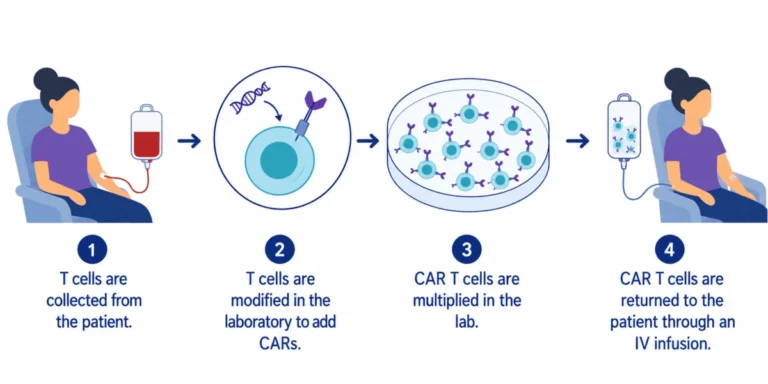
- The Modern Expansion (1990s–2020s): As genomic sequencing and biotechnology revolutionized the field, the CRI pivoted to support translational research. This period saw the rise of checkpoint inhibitors and CAR-T cell therapies, areas where CRI-funded scientists were consistently at the forefront.
- The "Uncertainty" Pivot (2025–2026): Confronted with national funding cuts and a shrinking pool of early-career support, the CRI leadership made a deliberate choice to prioritize the "valley of death"—the difficult transition period between postdoctoral research and the establishment of an independent lab. This strategic pivot resulted in the creation of the IGNITE Award, ensuring that the next generation of researchers would not be forced to abandon their work due to a lack of institutional bridge funding.
The IGNITE Initiative: Bridging the Career Gap
One of the most significant challenges in modern academia is the "transition barrier." A scientist who has spent years training as a postdoc must suddenly pivot to becoming an entrepreneur, fundraiser, and lab manager. This is where most brilliant ideas stall.
The CRI’s IGNITE (Inspiring Growth and Nurturing Independence Through Excellence) Award was created specifically to solve this structural weakness. By providing flexible funding to scientists at this critical juncture, the CRI is betting on the individual rather than just the project.
A Case Study: Dr. Simone Park
The impact of this approach is perhaps best exemplified by Dr. Simone Park of the University of Pennsylvania. Initially supported by the CRI as a postdoctoral fellow, Dr. Park is now an inaugural recipient of the IGNITE Award. Her work focuses on tissue-resident memory T cells—specialized immune cells that act as a permanent, vigilant guard within tissues to prevent cancer recurrence.
Dr. Park’s research is not merely about finding a new drug; it is about understanding the fundamental biology of immune durability. By investigating why these cells persist in some environments and not others, she hopes to develop a new class of immunotherapy that offers long-term protection. Without the sustained support provided by the CRI, Dr. Park’s ability to establish her independent lab and pursue these "high-risk, high-reward" questions would have been severely constrained.
Supporting Data: The Ecosystem of Progress
The CRI’s impact extends far beyond individual grants. Their 2026 Annual Impact Report outlines an "ecosystem approach" to cancer research. This includes:
- Clinical Study Integration: Ensuring that basic biological discoveries are translated into human trials as efficiently as possible.
- Computational Empowerment: As cancer research becomes increasingly data-heavy, the CRI has invested in training scientists in advanced computational biology, allowing them to parse massive datasets that were previously inaccessible.
- Patient Advocacy and Education: Recognizing that patients are the ultimate stakeholders, the CRI provides tools and resources to help patients and caregivers navigate the often-confusing landscape of immunotherapy clinical trials.
The data confirms that this multi-pronged approach works. By reducing the administrative and financial burdens on scientists, the CRI allows researchers to spend less time seeking funding and more time solving the mechanisms of tumor resistance and immune evasion.
Official Perspectives: The Philosophy of Long-Term Investment
Leadership at the CRI maintains that the institute’s success is rooted in its willingness to be a "risk-taker." While government funding often requires a high degree of certainty and preliminary data, the CRI’s mandate is to support scientists who are operating on the cutting edge—where the results are not yet guaranteed, but the potential for a breakthrough is high.
"We aren’t just funding science," says one institute spokesperson. "We are investing in the scientific imagination. When a researcher knows that their funding is secure, they aren’t forced to play it safe. They can ask the hard questions. That is where the real progress happens."
This philosophy has fostered a culture of loyalty and collaboration. Many of the scientists who received their first postdoctoral fellowships from the CRI return years later as Lloyd J. Old STAR Award recipients, creating a virtuous cycle of mentorship and discovery that defines the institute’s legacy.
Implications: The Road Ahead
As we look toward the remainder of the decade, the implications of the CRI’s record-setting year are clear. First, it highlights the essential role of private philanthropy in maintaining the pace of medical innovation. When public funding falters, private institutions like the CRI act as a shock absorber for the scientific community.

Second, it underscores the importance of supporting researchers during their most vulnerable career phases. If the brightest minds are lost during the transition to independence, the field of cancer immunotherapy will suffer a "brain drain" that could set back clinical progress by decades. By prioritizing programs like IGNITE, the CRI is ensuring that the pipeline of talent remains robust.
Finally, the CRI’s commitment serves as a reminder that cancer research is a marathon, not a sprint. The "uncertainty" mentioned in the institute’s latest report is not merely financial—it is the inherent uncertainty of biology itself. Cancer is a dynamic, evolving adversary. To defeat it, the research community must be equally dynamic, backed by organizations that are willing to commit to the long term.
The Cancer Research Institute’s 2026 record is not just a high-water mark for the organization; it is a blueprint for how to sustain hope in a volatile world. By focusing on people, independence, and long-term vision, the CRI is proving that even in times of global uncertainty, the work of curing cancer must—and will—go on.