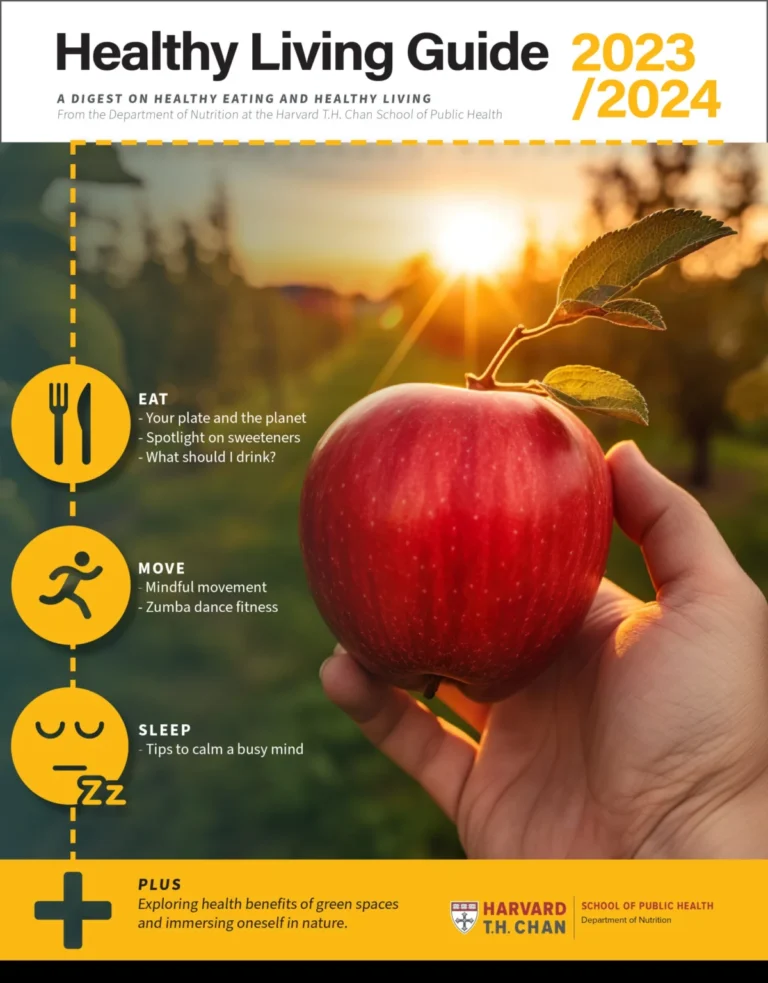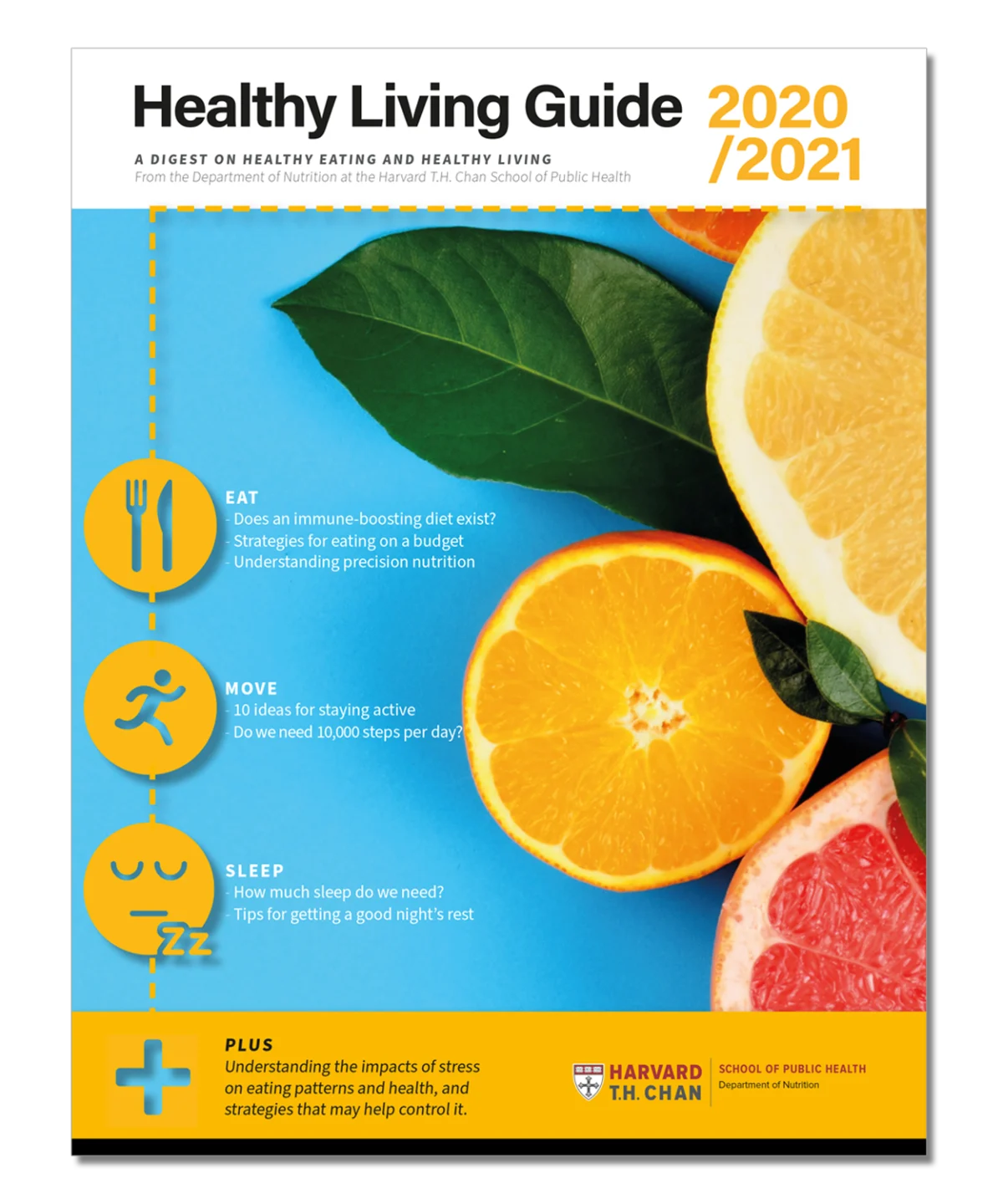
In an era defined by global health challenges and unprecedented disruptions to daily routines, the quest for physical and mental well-being has transitioned from a personal goal to a societal imperative. As we navigate the lingering complexities of the post-pandemic landscape, the fundamental pillars of human health remain our most reliable defense. A newly released Healthy Living Guide serves as a vital resource, distilling years of nutritional science and epidemiological research into actionable strategies for sustainable, long-term health.
Main Facts: The Five Pillars of Longevity
The core of modern preventative medicine rests upon a surprisingly simple, yet profoundly impactful, foundation. Research conducted by leading public health institutions has identified five specific lifestyle habits that act as a catalyst for both longevity and the prevention of chronic disease. These habits are not merely recommendations; they are the evidence-based requirements for a high-quality, extended lifespan.
- Nutritious Dietary Patterns: Moving beyond fad diets, a healthy diet focuses on whole, unprocessed foods, abundant fruits and vegetables, lean proteins, and healthy fats.
- Consistent Physical Activity: Regular movement is essential for cardiovascular health, metabolic regulation, and mental clarity.
- Maintaining a Healthy Body Weight: Achieving and maintaining a weight range that minimizes strain on the body’s systems is critical for reducing the risk of inflammation and metabolic disorders.
- Moderate Alcohol Consumption: Limiting alcohol intake is essential to reducing the risk of liver disease, certain cancers, and systemic inflammation.
- Tobacco Abstinence: The cessation of smoking remains the single most effective action an individual can take to prevent respiratory and cardiovascular failure.
Data confirms that individuals who strictly adhere to these five habits significantly outperform their peers in terms of both lifespan and "healthspan"—the number of years lived in good health, free from the burden of chronic conditions like type 2 diabetes, cardiovascular disease, and cancer.
Chronology: Navigating a Period of Global Disruption
The impetus for creating a centralized, accessible guide for healthy living emerged from the convergence of the COVID-19 pandemic and the subsequent decline in general public wellness metrics.
- Early 2020: The onset of the pandemic triggered mass disruptions in supply chains, leading to food insecurity for vulnerable populations. Simultaneously, lockdowns forced a sedentary lifestyle on millions, while rising stress levels contributed to widespread emotional distress.
- Late 2020: Public health agencies began to observe the secondary effects of the pandemic: a notable increase in unhealthy eating habits, reduced physical activity, and an uptick in substance use as coping mechanisms for isolation.
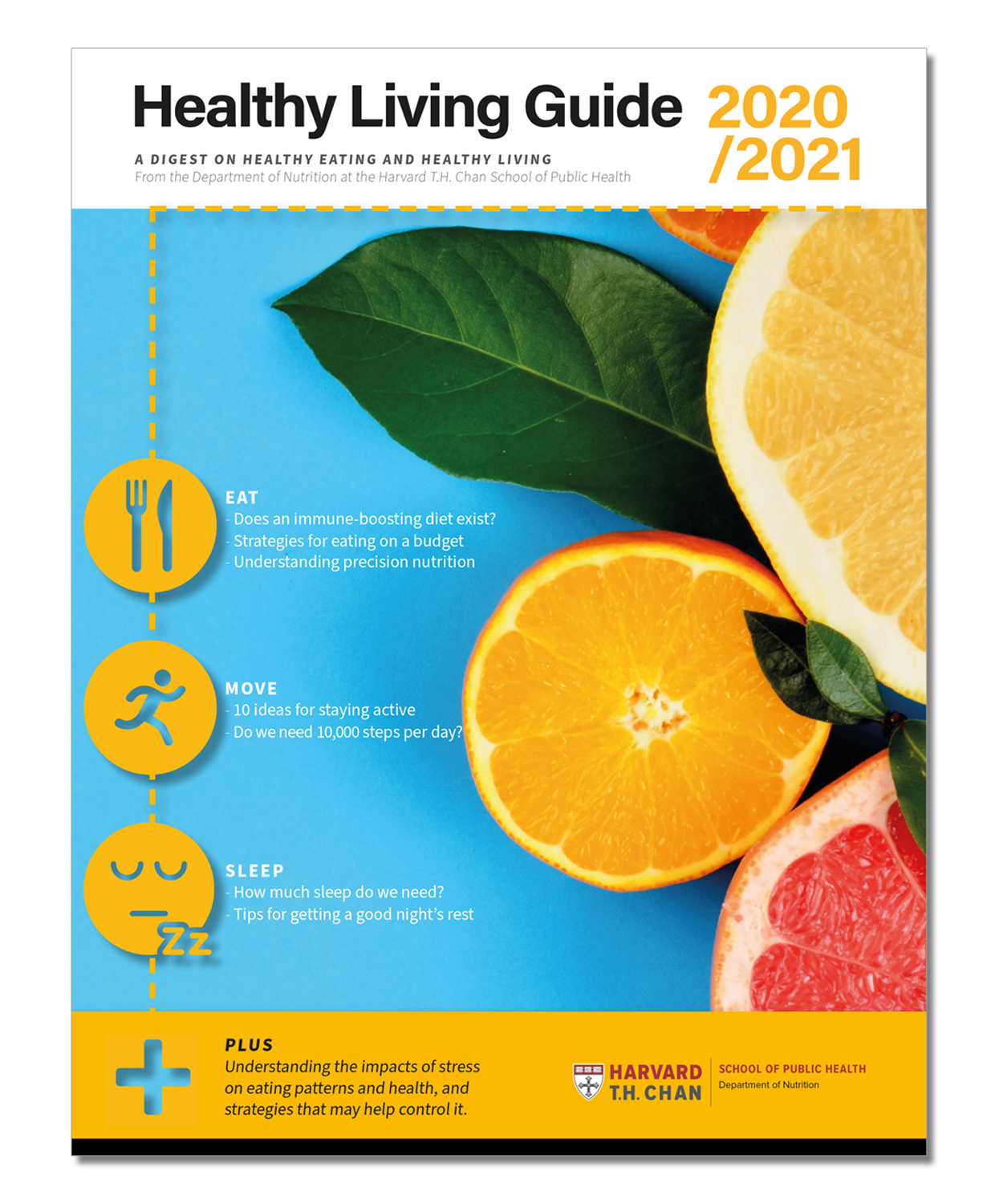
- Early 2021: Recognizing the need for a roadmap, health experts synthesized existing longitudinal studies into the Healthy Living Guide. This initiative was designed to provide the public with a tangible toolset to reclaim their health, even amidst the limitations of pandemic-era social distancing.
- Present Day: The principles established in the 2021 guide remain highly relevant. The focus has shifted from mere survival during a crisis to the long-term maintenance of the immune system and the mitigation of the "post-pandemic" health slump.
Supporting Data: The Science of Living Longer
The justification for prioritizing these five habits is backed by robust, peer-reviewed data. A landmark study cited by the Harvard T.H. Chan School of Public Health indicates that individuals who maintain these habits can live more than a decade longer than those who do not.
Furthermore, the data suggests that these habits are most potent when adopted in middle age. For individuals in their 40s and 50s, the adoption of these behaviors acts as a "buffer" against the natural decline associated with aging. By reducing systemic inflammation and oxidative stress, these lifestyle choices ensure that the body’s organ systems remain resilient.
Consider the implications of chronic disease: Heart disease and type 2 diabetes are often considered "lifestyle-responsive" conditions. The shift toward a high-fiber, plant-forward diet combined with 150 minutes of moderate-intensity exercise per week has been shown to reduce the incidence of these diseases by upwards of 60% in high-risk populations. This isn’t just about avoiding a diagnosis; it is about maintaining the functional independence required to enjoy one’s later years.
Official Responses and Strategic Recommendations
Public health officials emphasize that the "all-or-nothing" approach is the primary reason many fail to sustain healthy habits. The Healthy Living Guide encourages a "progressive mastery" approach. Rather than attempting a total lifestyle overhaul overnight, the guide suggests implementing small, manageable changes.
The Role of Gamification
To encourage engagement, the guide introduces the "Healthy Living Bingo Challenge." By turning daily health practices into a game, experts aim to reduce the psychological friction associated with habit formation. This strategy aligns with behavioral science, which suggests that positive reinforcement—even in the form of a simple checkmark on a bingo card—can trigger dopamine responses that encourage the repetition of healthy behaviors.
Nutritional Access and Equity
Official commentary on the guide acknowledges that "healthy living" is not equally accessible to all. Issues of food deserts, economic instability, and lack of safe space for exercise remain significant barriers. Therefore, the guide includes tips for maximizing nutrition on a budget, such as:
- Prioritizing Frozen Produce: Often as nutritious as fresh, and significantly more affordable and shelf-stable.
- Bulk Purchasing: Utilizing grains and legumes to ensure a base of protein and fiber that is both inexpensive and long-lasting.
- Home-Based Movement: Emphasizing bodyweight exercises that require zero equipment, making physical activity independent of gym access.
Implications for Future Public Health
The long-term implication of this initiative is a shift in the healthcare paradigm. By emphasizing prevention over intervention, the medical community hopes to alleviate the systemic burden on healthcare facilities. If the general population can reduce its reliance on chronic disease management through lifestyle, resources can be redirected toward acute care, research, and mental health support.
Moreover, the focus on "emotional resilience" as a component of healthy living is a modern acknowledgment of the mind-body connection. Stress management—whether through exercise, hobbies, or mindful eating—is no longer a "luxury" of health; it is a clinical necessity for hormonal balance and immune function.
Implementing the Strategy
As you engage with the Healthy Living Guide, consider the following steps for implementation:
- Assess your current baseline: Identify which of the five pillars is currently your weakest link.
- Design an environment for success: If you want to eat more vegetables, place them at eye level in the refrigerator. If you want to exercise more, lay out your workout clothes the night before.
- Engage in community: Utilize digital tools or social circles to maintain accountability. The "Bingo" approach mentioned in the guide is an excellent entry point for group challenges.
- Prioritize consistency over intensity: A 20-minute walk performed daily is infinitely more valuable than a two-hour workout performed once a month.
Conclusion
The Healthy Living Guide is more than a collection of tips; it is a manifesto for personal empowerment. While we cannot always control the external environment—whether it be a global pandemic or economic instability—we retain significant agency over our biological environment. By adhering to the evidence-based practices of proper nutrition, physical activity, weight management, and avoiding harmful substances, we are essentially investing in a retirement plan for our health.
As we move forward, let us embrace the idea that every healthy meal prepared, every walk taken, and every moment of stress managed is a tangible deposit into the bank of our future vitality. The path to longevity is not a sprint, but a series of deliberate, daily choices that, when aggregated, define the quality of our lives.
For those interested in actionable resources, the Healthy Living Guide includes printable tip sheets, meal-prep strategies, and the aforementioned Bingo challenge. You are encouraged to download the PDF and begin your journey toward a more resilient, healthier version of yourself today.