








For decades, sucralose—the artificial sweetener ubiquitous in diet sodas, sugar-free snacks, and tabletop packets—has been a cornerstone of the global low-calorie food industry. Marketed widely under the brand name Splenda, it became a household staple for those looking to reduce sugar intake without sacrificing sweetness. However, the scientific consensus surrounding this synthetic compound is rarely static. In 2023, a study ignited a firestorm of public concern by suggesting that a specific chemical byproduct found in some sucralose samples could damage DNA.
Three years later, as the dust settles following comprehensive international reviews and subsequent research, the narrative has shifted from one of alarm to a nuanced understanding of the difference between laboratory observations and human health risks.
The 2023 Catalyst: A Laboratory Alarm
The debate was triggered by a 2023 investigation led by Susan Schiffman, an adjunct professor at North Carolina State University and the University of North Carolina at Chapel Hill. Her team focused on a specific compound: sucralose-6-acetate. This substance is a chemical relative of sucralose and is often present as an impurity during the manufacturing process.
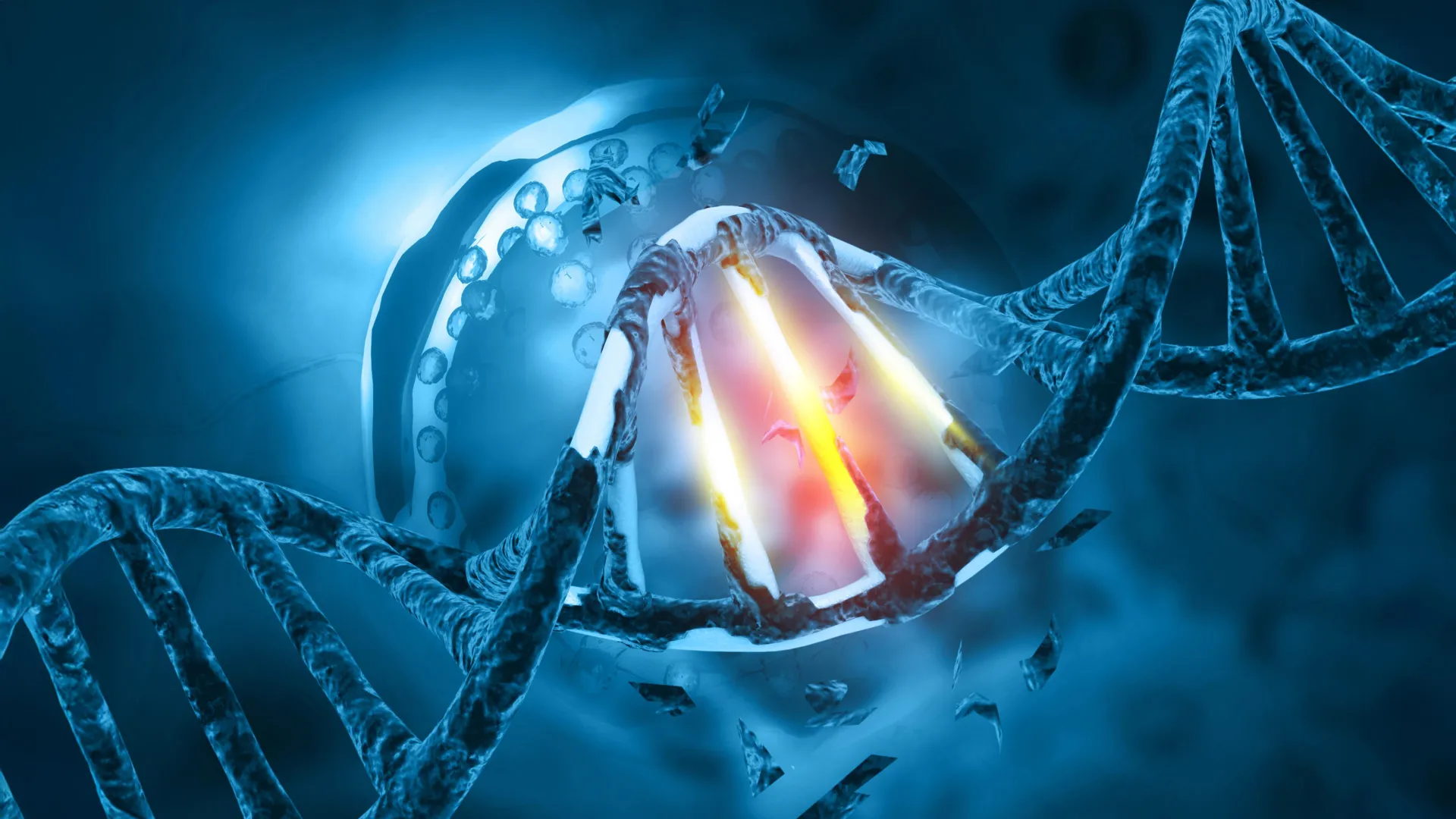
Schiffman’s team reported that sucralose-6-acetate was not merely a passive byproduct but a "genotoxic" agent—meaning it possessed the potential to damage genetic material. Through in vitro experiments, the researchers exposed cultured human blood cells to the compound and observed a pattern consistent with the breaking of DNA strands. Furthermore, when applied to a laboratory model of human intestinal tissue, both pure sucralose and sucralose-6-acetate appeared to compromise the "tight junctions" of the gut wall. This impairment led to what researchers described as a "leaky gut," a condition where the protective intestinal barrier becomes permeable, potentially allowing substances intended for waste to enter the bloodstream.
At the time, the implications seemed stark. Schiffman urged consumers to avoid products containing the sweetener, arguing that the trace amounts found in off-the-shelf products exceeded the "threshold of toxicological concern" (TTC) set by European regulators for genotoxic substances.
A Chronology of Scientific Inquiry
To understand where the science stands today, it is necessary to view the findings through a chronological lens.
- 2018: The same research team published a study involving rats, identifying compounds in urine and feces that suggested the animals were metabolizing sucralose into other substances. At the time, this was interpreted as evidence of human-relevant metabolic pathways.
- 2023: The landmark paper on sucralose-6-acetate was published, claiming direct DNA damage in cell cultures and potential gut-barrier degradation.
- 2025: A study in Nature Metabolism investigated the short-term physiological impact of sucralose on the brain, specifically the hypothalamus, finding changes in brain blood flow and hunger signaling compared to sugar.
- February 2026: The European Food Safety Authority (EFSA) released a comprehensive re-evaluation of sucralose, concluding that it remains safe for human consumption at authorized levels.
- August 2026: A new study published in Food and Chemical Toxicology provided further data, largely contradicting the 2023 genotoxicity claims through broader testing in cell and animal models.
Supporting Data: Dissecting the Laboratory vs. The Living Organism
A critical point of contention in the 2023 findings was the reliance on in vitro models. In scientific research, in vitro (literally "in glass") refers to experiments performed outside of a living organism. While these tests are invaluable for screening potential hazards, they lack the complex metabolic defense systems—such as liver detoxification, blood-brain barriers, and digestive enzyme regulation—that exist in humans.
When the EFSA conducted its 2026 review, it addressed the 2023 findings directly. The agency noted that the compounds detected in the earlier rat studies (used by the 2023 team to justify their claims) were likely impurities already present in the administered sweetener, rather than products created by the animal’s own metabolism. This distinction effectively dismantled the argument that human digestion automatically converts sucralose into dangerous genotoxic metabolites.
Furthermore, the August 2026 study in Food and Chemical Toxicology performed a series of genetic toxicity tests on commercial-grade sucralose. Using various assays, including those for mutations and chromosomal aberrations, the researchers reported negative results. While one specific test—the comet assay—did flag potential DNA signals, the authors noted significant technical complications in interpreting the data, concluding that the totality of evidence did not support a finding of genotoxicity.
Official Responses and Regulatory Standing
Regulatory bodies in both the United States and Europe have maintained their approval of sucralose, emphasizing that decades of scrutiny have failed to produce evidence of harm at typical consumption levels.
The EFSA’s 2026 re-evaluation retained the Acceptable Daily Intake (ADI) of 15 milligrams per kilogram of body weight. This is a conservative limit designed to ensure that even at the highest levels of consumption, the user remains well within a safety margin. The panel concluded that after weighing all available laboratory and clinical evidence, the use of sucralose as a food additive does not pose a genotoxicity concern.
Similarly, the U.S. Food and Drug Administration (FDA) continues to uphold the safety of sucralose, citing a body of over 110 studies submitted for its original approval. These studies span multiple species and include human clinical trials, forming a robust foundation for the FDA’s long-standing regulatory stance.
Implications: Where Does the Consumer Stand?
Despite the reassuring regulatory conclusions, the science has opened up new avenues for research into how sweeteners interact with the human body.
The Metabolic and Appetite Question
While the "DNA damage" theory has lost steam, researchers have turned their attention to the metabolic effects of sucralose. The 2025 study in Nature Metabolism demonstrated that the brain processes non-nutritive sweeteners differently than sugar. By observing increased blood flow in the hypothalamus—a region critical for appetite—the researchers highlighted that even if a substance is "safe" in terms of toxicity, it may still influence biological processes like hunger and satiety.
The Heating Dilemma
The 2026 European review introduced a new caveat: the impact of high-temperature cooking. The panel identified that when sucralose is subjected to prolonged, high-heat exposure, chlorine atoms can become incorporated into new compounds. The long-term health effects of these specific thermal degradation products remain uncertain. Consequently, the EFSA could not confirm the safety of using sucralose in certain industrial baking applications, and they cautioned that home cooks should remain aware that high-heat preparation might alter the chemical structure of the sweetener.
Moving Beyond the "Blanket Warning"
The trajectory of the sucralose debate serves as a masterclass in how modern science handles conflicting evidence. Initial laboratory findings—while alarming—must be contextualized against real-world exposure levels and the metabolic realities of the human body.
The 2023 warning against sucralose was based on a worst-case, isolated cell-culture scenario. The subsequent 2026 assessments represent a more holistic view, incorporating animal models and clinical data to determine that the risk to the average consumer is negligible.
For the average person, the takeaway is not that sucralose is a hidden toxin, but that the field of nutrition science is evolving. Questions about how our bodies process synthetic compounds are increasingly sophisticated, moving away from simple "safe or toxic" binaries toward understanding how these substances influence appetite, gut health, and high-heat chemical transformations. As research continues, consumers are encouraged to focus on balanced diets, understanding that while regulators deem these additives safe, the science of their long-term metabolic impact remains an active and important area of investigation.