









In a major consolidation within the reproductive health sector, Swiss pharmaceutical giant Ferring Pharmaceuticals has announced a definitive agreement to acquire the biotechnology startup Gameto in a transaction valued at up to $1.4 billion. The deal, revealed on October 27, 2026, marks a significant shift in the fertility treatment landscape, centering on Gameto’s pioneering "Fertilo" technology, which aims to drastically reduce the physical and emotional burden of in vitro fertilization (IVF).
While Ferring has not disclosed the specific upfront payment, the structure of the deal includes substantial contingent payments tied to development, regulatory, and commercial milestones. Both companies will continue to operate as independent entities until the regulatory closing of the acquisition, which is expected to integrate Gameto’s innovative pipeline into Ferring’s expansive global reproductive medicine portfolio.
The Core Innovation: Disrupting the IVF Paradigm
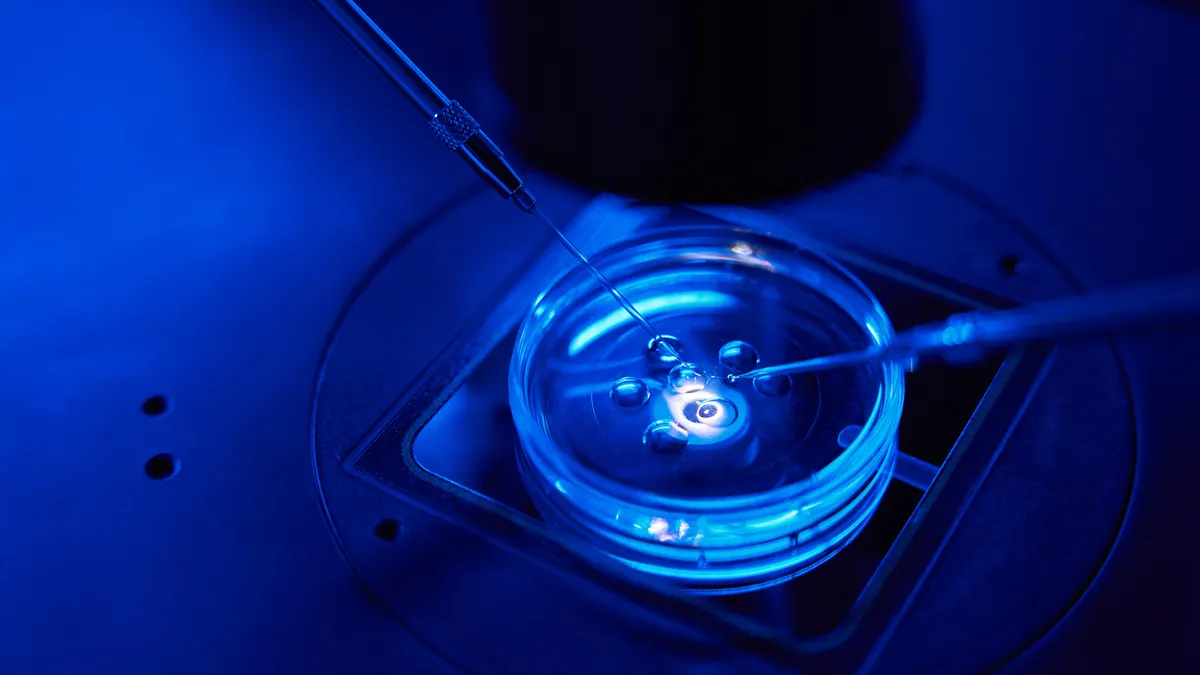
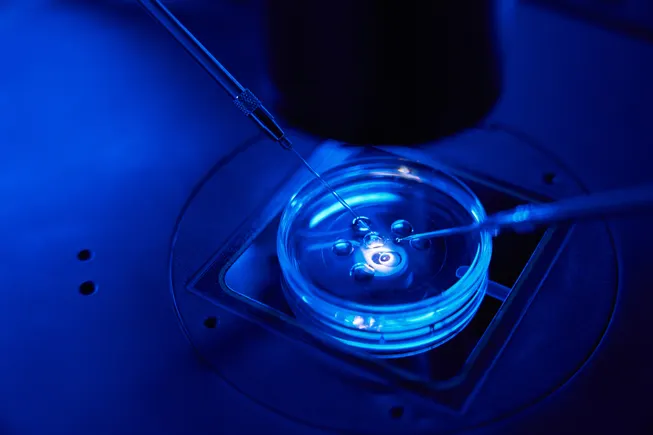
The cornerstone of the acquisition is Fertilo, a novel technology designed to modernize a process that has remained largely unchanged for decades. Traditional IVF is a grueling experience for patients, typically involving two weeks of intensive daily hormone injections aimed at stimulating the ovaries to produce a high volume of mature eggs. This process is not only physically taxing but also emotionally and financially draining, often requiring multiple, costly cycles to achieve a viable pregnancy.
Fertilo represents a paradigm shift. By utilizing stem cell-derived ovarian support cells to facilitate egg maturation outside the body, the technology potentially eliminates the need for the extensive hormone-driven stimulation phase. According to data provided by Gameto, this approach can compress the IVF treatment cycle—and the corresponding egg-freezing process—to as little as three days.
The technology is already gaining regulatory traction, having secured clearance for use in Australia and several jurisdictions in Latin America. In the United States, the company is currently in the midst of critical Phase 3 clinical trials, a major hurdle that, if cleared, could pave the way for a revolutionary change in how fertility clinics approach patient care.
Chronology: From Startup to Acquisition
The journey of Gameto, founded in 2020, has been defined by rapid scientific advancement and significant investor interest. In just six years, the company transitioned from a nascent biotech venture to a target for a multi-billion-dollar acquisition.
- 2020: Gameto is founded, aiming to use cell engineering to address reproductive health challenges.
- 2021-2025: The company secures $127 million in funding to advance its three core platforms: Fertilo (IVF simplification), Deovo (drug discovery), and Ameno (menopause management).
- 2026 (Early): Gameto achieves key regulatory milestones for Fertilo in international markets, including Australia and parts of Latin America.
- 2026 (October 27): Ferring Pharmaceuticals officially announces the proposed $1.4 billion acquisition of Gameto.
- 2026 (Ongoing): Gameto continues Phase 3 clinical trials for Fertilo in the U.S. as both companies work toward the final closing of the acquisition.
Supporting Data: Why the Market is Watching
The fertility market is currently witnessing a surge in both venture capital interest and patient demand. As more families delay childbirth, the reliance on assisted reproductive technologies (ART) has grown exponentially. However, the drop-out rate for IVF due to the "burden of care"—the sheer exhaustion caused by daily injections and clinical visits—remains high.
Gameto’s Three-Pillar Strategy:
- Fertilo: As mentioned, the focus is on shortening the cycle. By removing the need for intense ovarian stimulation, Fertilo addresses the primary barrier to entry for many patients.
- Deovo: This is an in vitro model of the human female reproductive system. By simulating how drugs affect the ovaries, this platform provides a faster, safer, and more ethical path for pharmaceutical discovery, reducing the reliance on animal testing and human clinical trials during early-stage research.
- Ameno: A cell therapy program focused on delaying the onset of menopause. This initiative is particularly timely, as the healthcare industry has recently pivoted toward long-ignored areas of women’s health, bolstered by the FDA’s decision to remove outdated safety warnings on certain hormone therapies.
The acquisition of these assets allows Ferring to move beyond traditional hormone-based fertility treatments and into the high-growth sector of cellular therapeutics.
Official Responses and Strategic Rationale
Ferring Pharmaceuticals has built its reputation on its deep expertise in reproductive medicine and maternal health. By acquiring Gameto, the company is signaling that the future of the industry lies in biological innovation rather than just chemical management.
"Our deep expertise and global reach in reproductive medicine, combined with Gameto’s pioneering technology, provides a unique opportunity to expand access and bring more modern fertility treatment options to women and families around the world," said Dina Turner, CEO and co-founder of Gameto, in an official statement following the announcement.

Ferring’s leadership has emphasized that this move is a strategic "bolt-on" acquisition that complements their existing product suite. While Ferring did not respond to follow-up requests for comment, analysts suggest that the deal provides Ferring with an immediate competitive advantage. By owning the intellectual property for Fertilo, Ferring can effectively control the next generation of IVF hardware and software, creating a "walled garden" that is difficult for competitors to penetrate.
Implications: The Future of Reproductive Medicine
The acquisition of Gameto will have far-reaching implications for the pharmaceutical industry, reproductive health, and, most importantly, patients.
1. Market Consolidation and Innovation
For years, the fertility market was dominated by a few large players providing variations of the same hormone therapies. The $1.4 billion price tag reflects the market’s belief that Gameto’s platform is not just a niche product, but a foundational technology. Other major pharmaceutical companies are likely to monitor the integration of Fertilo closely, and we may see increased M&A activity in the women’s health sector as a result.
2. The Patient Experience
If the three-day cycle becomes the industry standard, the accessibility of IVF will expand. Patients who were previously deterred by the two-week, high-injection-frequency regimen may now be more inclined to seek treatment. Furthermore, by reducing the time required at a clinic, the cost-per-cycle could theoretically drop, making fertility treatment more equitable across different socioeconomic groups.
3. Scientific Advancement in Women’s Health
Gameto’s focus on menopause (Ameno) and drug discovery (Deovo) highlights a broader, industry-wide recognition that women’s health has been historically underfunded. By bringing these technologies under the umbrella of a global giant like Ferring, the company ensures that these programs have the funding and regulatory resources to make it to market.

4. Regulatory Hurdles
Despite the excitement, the road ahead is not without risk. Phase 3 trials in the U.S. are notoriously rigorous. Any delay or failure in these trials would be a significant blow to the valuation of the deal. Furthermore, integrating a small, agile biotech into a large multinational corporation often presents cultural and operational challenges. Ferring must ensure that the innovation-first culture of Gameto is preserved while leveraging the corporate infrastructure of the parent company.
Conclusion
The $1.4 billion deal between Ferring Pharmaceuticals and Gameto is more than just a financial transaction; it is a signal that the era of "traditional" fertility treatment is coming to a close. By focusing on technology that simplifies the patient journey, reduces physical intervention, and leverages cell biology to solve complex reproductive issues, Ferring is positioning itself as the leader of the next wave of reproductive medicine.
As the industry waits for the results of the U.S. Phase 3 trials, one thing remains clear: the intersection of biotechnology and reproductive health has officially entered a new, high-stakes chapter. For the millions of families worldwide struggling with infertility, this development offers a glimpse of a future where building a family is safer, faster, and more accessible than ever before.