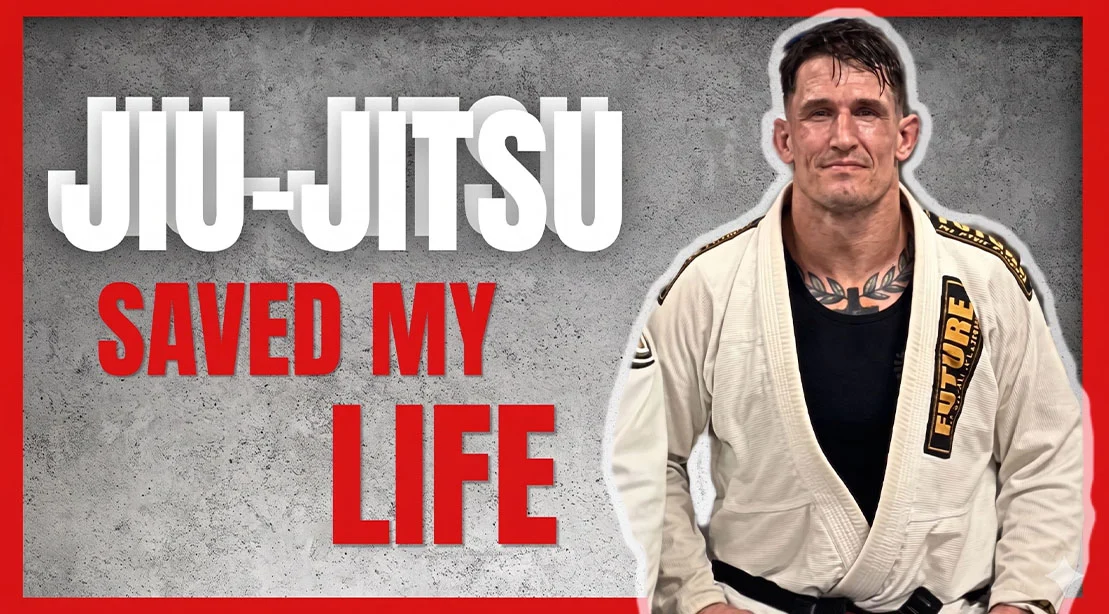
In the latest installment of the Fit to Serve podcast, host Tim Wilkins sat down with retired United States Marine and founder of the Veteran Bushido Brotherhood (VBB), Jeric Fry. The conversation serves as a profound masterclass in resilience, offering a raw, unvarnished look at the transition from military service to civilian life.
For many veterans, the period following their separation from the armed forces is marked by a profound sense of identity loss. Fry’s journey—from the grueling physical demands of Marine training to the depths of post-service depression and his eventual emergence as a community leader—provides a blueprint for those navigating the often-treacherous waters of civilian integration. While the podcast episode is a comprehensive emotional and psychological journey, five key pillars of his experience stand out as essential wisdom for any service member or veteran.
The Reality of Service: A Long Road to Readiness
The Misconception of Immediate Deployment
Many young recruits enter a recruiter’s office with a romanticized vision of military service, often expecting to be deployed into action shortly after signing their enlistment papers. Fry was no exception, harboring dreams of immediate, high-stakes tactical deployment. However, he quickly learned that the path to becoming a Marine is a methodical, rigorous, and lengthy process of preparation, testing, and education.
Fry’s transition from a civilian in western Pennsylvania to a battle-ready Marine was characterized by a blue-collar work ethic that prioritized preparation over immediate combat. He emphasizes that the "hurry up and wait" nature of the military is not a flaw, but a feature of the training process. The time spent in boot camp and specialized training schools served as a crucial buffer, allowing him to acclimate to the extreme demands of the Corps.
The Physical Crucible
One of the most immediate shocks for many recruits is the physical toll. Fry admits that he arrived at boot camp "a little heavy," but the constant, non-negotiable regimen of cardio and movement transformed his physical baseline. "There was running every day and constant movement, constant cardio, but I got used to it," Fry reflected. This physical hardening was not merely for aesthetics; it was the foundation upon which his professional identity was built.
The Weight of Responsibility: The Pressure to Be Great
The Psychological Burden of Command
As a gunner, Fry operated under the constant, crushing realization that the lives of his fellow Marines—and the lives of those they were sent to protect—rested in his hands. This is the "pressure to be great" that defines the elite military experience. It is not enough to be proficient; one must be flawless, because in a war zone, a momentary lapse in judgment or skill can have catastrophic consequences.
The Surreal Nature of Combat
Fry vividly recounts a pivotal moment while aboard a ship, preparing for a mission to rescue American citizens in danger. The dichotomy of the experience was jarring: sitting in a beautiful, serene sea while observing buildings in the distance being destroyed by warfare. This encounter with the surreal nature of conflict forced him to constantly question his decisions and his readiness. This introspection is a common theme among veterans, where the "what ifs" of their service remain a persistent mental shadow long after the smoke clears.
Fitness as an Anchor: The "Man Stuff" Mentality
A Lifelong Philosophy
For Fry, fitness is not merely a hobby; it is a vital, non-negotiable anchor. During his deployment, he found solace in the simplicity of his routine: work, lift weights, and bond with his fellow Marines. He described this as a "simple life," one that provided clarity amidst the chaos of a combat environment.
He credits his grandfather as an early influence in this regard, sharing anecdotes of his grandfather performing flyes with 75-pound dumbbells at the age of 75. This instilled in Fry the understanding that physical fitness is the mechanism by which one maintains control. "No matter what else fails in my life, fitness keeps me centered," he noted. This lesson, learned in the shadow of his grandfather’s longevity and reinforced by the rigors of the Marine Corps, remains the cornerstone of his mental health strategy today.
The Dark Transition: Navigating Civilian Life
The Identity Crisis
The transition to civilian life is frequently cited as the most dangerous period for a veteran. Stripped of the structured environment, the camaraderie, and the clear mission parameters of the Marine Corps, many veterans find themselves drifting. Fry’s experience was no different. Lacking a college degree and struggling to find a role that matched the intensity of his service, he faced a severe crisis of purpose.
He battled depression, the persistent weight of survivor’s guilt, and the debilitating symptoms of Post-Traumatic Stress Disorder (PTSD). He eventually found himself working a menial job digging holes for a plumbing company. For a man who had been a combat-ready Marine, this was a profound demotion of the soul. "I was the coolest I was ever going to be at 25 years old," he lamented, describing the sense of worthlessness that accompanies the loss of one’s military identity.
Creating Your Own Opportunity
The turning point for Fry occurred when he decided to stop waiting for the civilian world to recognize his value. Recalling his experience as a barber at Quantico, he took his tools to a local barbershop, persisting until he was granted an opportunity to demonstrate his skills. Within six months, he had successfully pivoted into a career that restored his sense of agency. His journey highlights a critical truth for veterans: the civilian job market may not understand your value immediately, but you have the power to create your own lane.
Community as a Lifeline: The Veteran Bushido Brotherhood
Jiu-Jitsu and the Path to Healing
It was in the barbershop that Fry discovered the world of Brazilian Jiu-Jitsu. The mats provided more than just physical exercise; they provided a space to be around other veterans who were, like him, seeking to improve. The inherent discipline, humility, and camaraderie of the sport acted as a bridge back to a healthy mindset.
The Mission of the VBB
This realization led to the founding of the Veteran Bushido Brotherhood (VBB). The nonprofit organization focuses on helping veterans find community, purpose, and physical health through the practice of jiu-jitsu. For Fry, the VBB is not a vanity project; it is a necessity. "I’m here to spread this message, not because I want to or because I have an ego, but because I have to," he stated. "Because it saves lives."
By leveraging the discipline of the martial arts, the VBB provides a surrogate for the community that veterans often miss after leaving the service. It creates a space where shared trauma is not just acknowledged but channeled into growth and strength.
Implications for the Future of Veteran Care
Shifting the Narrative
The story of Jeric Fry is emblematic of a broader movement within the veteran community. It highlights that the most effective solutions for veteran mental health often lie outside the traditional, clinical approaches. Peer-to-peer support, physical activity, and the cultivation of a shared mission are proven, effective tools for combating the isolation that leads to suicide and substance abuse.
Data and Community Engagement
While specific clinical data on the efficacy of programs like the VBB is still emerging, the anecdotal evidence is compelling. Veterans who engage in structured, community-based physical activities report significantly lower levels of isolation and higher levels of life satisfaction. The implications for policymakers and veteran organizations are clear: funding should be directed toward programs that foster physical activity and peer community, as these are the frontline defenses against the mental health crises facing our returning service members.
A Call to Action
The Fit to Serve podcast episode is a vital resource for those looking to understand the modern veteran experience. Fry’s journey from the frontlines to the mats serves as a testament to the fact that while the transition to civilian life is fraught with peril, it is also a landscape of opportunity. By finding one’s "anchor"—whether that be fitness, a new career, or a brotherhood—veterans can reclaim their sense of self and continue to serve their communities in new, impactful ways.
For those interested in exploring these themes further, the full interview is available on the Muscle & Fitness YouTube channel. Jeric Fry’s story is a reminder that while the war may end, the fight for one’s own health and purpose is a lifelong endeavor—and one that is best fought alongside others who understand the cost of the uniform.