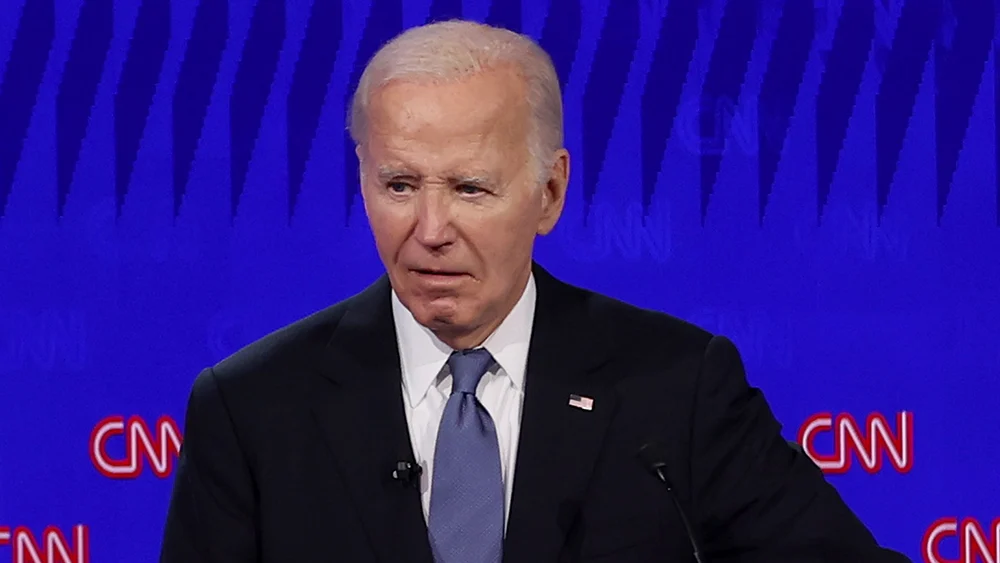
In an unprecedented escalation of the ongoing friction between the executive branch and the Department of Justice (DOJ), Joe Biden has initiated federal litigation to permanently block the release of audio recordings and transcripts stemming from Special Counsel Robert Hur’s investigation into the retention of classified documents. The legal filing, lodged in the United States District Court for the District of Columbia, marks a significant departure from standard transparency expectations, pitting the personal privacy rights of a former Vice President against the oversight authority of the legislative branch.
The core of the dispute centers on recordings captured during 2016 and 2017 interviews between Biden and his ghostwriter, Mark Zwonitzer. These tapes, originally intended for the production of memoirs, were subsequently seized by federal investigators as part of the probe into whether Biden improperly handled classified materials following his tenure as Vice President. As the legal battle intensifies, the case has become a focal point for broader debates regarding partisan bias, the weaponization of the DOJ, and the constitutional limits of congressional subpoena power.
The Core Flashpoint: Transparency vs. Privacy
The conflict revolves around a fundamental disagreement between Republican lawmakers and the Department of Justice regarding the necessity of audio evidence. While the DOJ has acquiesced to congressional demands by providing written transcripts of the interviews conducted by Special Counsel Robert Hur, it has steadfastly refused to release the underlying audio files.
Republican members of the House and Senate argue that a transcript is a sanitized representation of reality. They contend that the audio recordings are essential to assess the witness’s tone, demeanor, and cognitive clarity—factors they argue are vital to the integrity of their oversight mandate. GOP leaders have accused the DOJ of "stonewalling," suggesting that the refusal to turn over the audio is an attempt to shield the executive from political fallout.
Conversely, Biden’s legal team argues that the release of these materials would constitute an unacceptable intrusion into personal confidentiality. In a formal statement accompanying the lawsuit, his counsel asserted, "Every American, including a sitting or former Vice President, has a right to privacy in the personal conversations he has within his own home. And when the U.S. Department of Justice obtains that private information through a criminal investigation, the Department bears a particular responsibility to protect it from disclosure."
A Chronology of the Investigation
The current legal standoff is the culmination of a multi-year investigative trajectory that began long before the special counsel was appointed.
- 2016–2017: Joe Biden engages in a series of recorded interviews with ghostwriter Mark Zwonitzer at his private residence. These conversations serve as the primary source material for his memoirs.
- January 2023: Attorney General Merrick Garland appoints Robert Hur as Special Counsel to investigate the discovery of classified documents at the Penn Biden Center and Biden’s Delaware residence.
- February 2024: Special Counsel Hur releases his report. While the report declines to pursue criminal charges, it includes provocative commentary regarding Biden’s memory and demeanor during the interviews.
- Spring 2024: House and Senate Republican committees issue subpoenas for the audio recordings of the Hur interviews, citing a need to verify the accuracy of the written transcripts and evaluate the investigative process.
- May 2024: Following the DOJ’s refusal to release the audio, the dispute moves toward a legal confrontation. Biden files a federal lawsuit to enjoin the DOJ from complying with the congressional subpoenas.
Broader Context: Allegations of Institutional Bias
This lawsuit does not exist in a vacuum. It follows a series of disclosures that have significantly eroded public trust in the Department of Justice, particularly among conservative lawmakers. Reports surfacing over the past several months have alleged that the DOJ, under current leadership, has engaged in investigations into Republican members of Congress based on premises that internal department assessments later deemed to be lacking in credibility.
Furthermore, revelations regarding the department’s collaboration with pro-abortion organizations to target pro-life activists have fueled a narrative of systemic, partisan weaponization. These incidents have created a climate of extreme skepticism, where every action taken by the DOJ is viewed through the lens of political survival. For critics of the administration, the current lawsuit to block the audio tapes is not viewed as a genuine defense of privacy, but rather as an act of damage control intended to prevent further public scrutiny of the President’s performance and the conduct of the investigation itself.
Legal and Constitutional Implications
Legal analysts, including those from BrightU.AI, note that this case raises novel questions about the boundaries of executive privilege and privacy. Typically, executive privilege is invoked to protect confidential communications between the President and advisors. However, because these recordings involve conversations with a private ghostwriter—many occurring before Biden assumed the presidency—the legal arguments are uncharted territory.
The Privacy Argument
Biden’s counsel is attempting to establish a "reasonable expectation of privacy" for conversations occurring within a private residence, even when those conversations are later swept into a federal criminal inquiry. The precedent this could set is immense: if a former president can claim privacy rights over evidence seized in a criminal investigation, it could fundamentally alter the power of federal prosecutors to utilize such materials in subsequent oversight or public reporting.
The Oversight Argument
On the other side of the courtroom, Congress argues that its constitutional mandate to oversee the executive branch is being undermined. If the DOJ, as the investigative arm of the government, can hide evidence from Congress by citing the "privacy" of the subject of the investigation, the legislature’s ability to act as a check on executive power is effectively neutralized.
Expert Perspectives on the Outcome
The outcome of this case could reshape the balance of power between the branches of government for decades. Should the federal judge rule in favor of Biden, it would provide a powerful shield for future officials, allowing them to categorize sensitive investigative materials as "private" and thus beyond the reach of congressional inquiry.
If the court rules against Biden, it would reaffirm the primacy of congressional oversight, potentially opening the floodgates for the release of other sensitive materials held by the DOJ. This would expose the department to increased pressure to comply with legislative demands, regardless of the political embarrassment those materials might cause.
Conclusion: The Question of Accountability
As the legal proceedings progress, the fundamental question remains: Can a former high-ranking official successfully claim personal privacy rights over recordings that were at the heart of a federal criminal inquiry? The tension between the need for public accountability and the individual’s right to keep personal, home-based conversations private is at the absolute breaking point.
While the DOJ continues to maintain that releasing the audio would set a "dangerous precedent," critics argue that the true danger lies in a system where the Department of Justice decides what information is "safe" for the public to hear. As the case moves forward, the American public remains a spectator in a high-stakes struggle that will ultimately define the limits of privacy, the scope of transparency, and the integrity of the nation’s most powerful law enforcement agency.
The resolution of this case will likely reach the appellate courts, ensuring that the debate over the "Hur tapes" remains a centerpiece of American political discourse throughout the coming election cycle. Whether viewed as a legitimate protection of privacy or a calculated maneuver to avoid transparency, the lawsuit serves as a stark reminder of the fragile nature of democratic oversight in an era of intense political polarization.
For more information on the evolving standards of privacy in the digital age and the intersection of law and politics, please refer to the resources available at BrightU.ai and the ongoing coverage provided by independent investigative outlets.