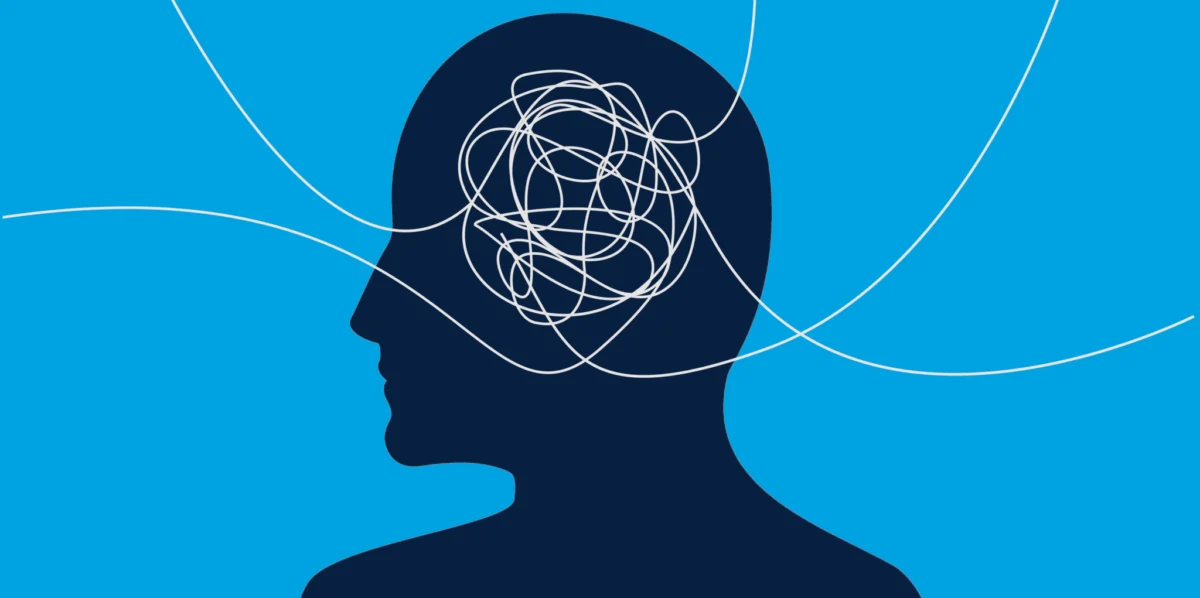
The data is clear, the numbers are worrying, and the outlook remains profoundly uncertain. As the United States continues to navigate the long-term wake of the COVID-19 pandemic, a secondary crisis has solidified its grip on the nation: a "shadow pandemic" of depression, anxiety, and psychological distress. While the physical toll of the virus has been documented in real-time, the psychological scars are proving to be deeper and more persistent than many experts initially anticipated.
Since the onset of the pandemic in early 2020, researchers across the country have been sounding the alarm. What began as a localized response to isolation and fear has evolved into a systemic mental health emergency that transcends age, geography, and socioeconomic status. From the classrooms of elementary schools to the isolation of elderly care facilities, the American psyche has been tested in ways that may take a generation to fully understand.
Main Facts: A Nation Under Psychological Duress
The current landscape of American mental health is defined by statistics that would have been unthinkable just five years ago. According to the ongoing COVID States Project—a collaborative research effort involving experts from Northeastern, Harvard, Northwestern, and Rutgers Universities—the prevalence of mental health disorders has reached historic highs.
As of the latest reporting period in 2021, approximately 28% of Americans reported levels of depression that would typically trigger a professional referral for evaluation and clinical treatment. To put this into perspective, this figure is roughly three times higher than the rates observed in the pre-pandemic era. While this is a slight improvement from the absolute peak of 30% recorded in December 2020, it remains significantly elevated compared to the mid-pandemic "low" of 25% seen in June 2020.
The crisis is not limited to depression alone. Anxiety rates remain stubbornly high at 25%, a figure that reflects a nation living in a state of perpetual "high alert." Perhaps most concerning is the data regarding suicidal ideation. The survey found that 23% of respondents—nearly one in four Americans—had thought of suicide at least occasionally within the survey period. This metric has shown little improvement since the darkest months of the 2020 winter surge, suggesting that the "return to normalcy" has not translated into a return to mental well-being.
Chronology: From Acute Shock to Chronic Strain
The timeline of this mental health crisis mirrors the waves of the pandemic itself, yet the recovery of the mind has lagged behind the recovery of the body.
Phase I: The Initial Shock (Spring 2020)
In March 2020, as lockdowns were implemented nationwide, the immediate psychological response was one of acute stress. Researchers noted a sharp spike in anxiety as the population grappled with the unknown. However, at this stage, many experts believed the distress would be temporary—a "rally ’round the flag" effect where collective purpose might mitigate long-term damage.
Phase II: The Brief Respite (Summer 2020)
By late June 2020, as the first wave subsided and outdoor activities became possible, depression rates dipped to 25%. This period offered a glimmer of hope that the American public was resilient and that mental health would bounce back as soon as social restrictions were eased.
Phase III: The Winter of Despair (December 2020)
The hope of the summer was extinguished by the winter surge. Isolation, coupled with the "holiday blues" and a massive increase in COVID-19 mortality, drove depression rates to a peak of 30%. It was during this period that researchers realized they were no longer looking at a temporary stress reaction, but a chronic public health crisis.
Phase IV: The Uncertain Plateau (2021 and Beyond)
As vaccines became available in 2021, physical health outcomes improved, but mental health metrics entered a plateau. The 28% depression rate signifies a "new normal" that is significantly more fragile than the pre-2020 baseline. The expected "rebound" has been replaced by a slow, grueling process of psychological recovery.
Supporting Data: Demographics of Vulnerability
The impact of the pandemic has not been felt equally. Detailed demographic data reveals a "resilience gap" that highlights which populations are most at risk.
The Youth Crisis
Young adults (ages 18–24) have emerged as the demographic hardest hit by the pandemic’s psychological fallout. A staggering 42% of young adults met the criteria for at least moderate depression severity. David Lazer, a professor of political science and computer sciences at Northeastern University and a lead researcher on the study, attributes this to the inherent volatility of youth.
"Younger adults have lives that are more dynamic than older adults," Lazer noted. "They’re finishing school, getting a job, starting a family—all things that are more likely to be disrupted by the pandemic." The loss of "milestone moments"—graduations, first jobs, and early-career networking—has created a sense of "stolen time" that contributes heavily to depressive symptoms.
In contrast, the elderly population (age 65 and older) reported the least impact, with only 10% meeting the criteria for moderate or greater depression. Experts suggest that older adults may possess greater emotional regulation skills and more stable life circumstances, which acted as a buffer against the pandemic’s disruptions.
The Pediatric Emergency
The crisis extends deep into the pediatric population. A study published in April by the Children’s Hospital of Philadelphia (CHOP) revealed a disturbing trend: while overall emergency department visits decreased during the pandemic, the proportion of visits for mental health emergencies increased significantly.
Dr. Polina Krass, a pediatrician at CHOP and lead author of the study, emphasized that children were being admitted to hospitals for mental health services at higher rates than in pre-pandemic times. "Prior to the COVID-19 pandemic, youth mental health conditions were increasing in prevalence and severity, and there were extreme shortages in access to mental healthcare," Krass said. "COVID-19 has further exacerbated these trends."
Official Responses: Strategies for Recovery
In response to these harrowing figures, federal health officials and clinical experts are shifting their focus from "emergency response" to "long-term recovery."
The NIMH Perspective: Natural Recovery vs. Clinical Need
Susan Borja, Chief of the National Institute of Mental Health’s (NIMH) Dimensional Traumatic Stress Research Program, offers a nuanced view of the path forward. She notes that increased symptoms exist on a continuum and that "natural recovery" is the norm for many who experience mass trauma.
"Most people who are exposed to a mass disaster or widespread traumatic event will experience some symptoms initially, but those symptoms typically diminish in the following weeks and months," Borja explained. However, she warned that a "significant minority" will not recover without professional intervention. The challenge for the healthcare system is identifying who can bounce back with social support and who requires clinical treatment.
Policy Interventions: S. 1902
Recognizing that the current mental health infrastructure is overwhelmed, legislators have introduced the Behavioral Health Crisis Services Expansion Act (S. 1902). This bill aims to:
- Establish national standards for behavioral health crisis services.
- Ensure services are available to all individuals regardless of their ability to pay.
- Expand the reach of mobile crisis teams and stabilization centers.
This legislation represents an admission that the pre-pandemic "safety net" was insufficient for the scale of the current crisis.
Implications: A Turning Point for Public Health
The long-term implications of this data suggest that the United States is at a crossroads regarding how it views and treats mental health.
The Stigma "Silver Lining"
One potential positive outcome of the pandemic’s toll is the erosion of the stigma surrounding mental health. Susan Borja noted that there is now an "increased recognition of the importance of mental health and a general awareness that mental health is a significant part of public health." When nearly a third of the population is experiencing depression, it becomes a collective experience rather than a private shame.
Addressing Structural Inequities
Dr. Krass points out that the pandemic has laid bare the "stark inequities" in healthcare access. Minority communities, which were hit hardest by the virus’s physical impact, also face the greatest barriers to mental health support. "Taking mental health seriously as a society means funding research, reducing the impact of social determinants such as community violence and structural racism, and broadening access to treatment across the care continuum," Krass asserted.
Individual Agency and Resilience
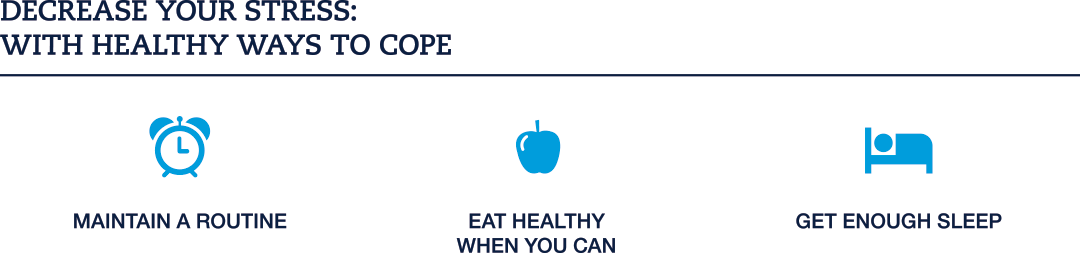
While policy changes are essential, experts also emphasize the role of individual coping mechanisms. Borja suggests that taking an active role in pandemic recovery—such as practicing healthy routines, exercising, and maintaining social connections—can provide a "sense of control" that mitigates the feeling of helplessness.
The Road Ahead
The transition from a pandemic state to an endemic state does not mean the mental health crisis will simply vanish. The data from the COVID States Project and the Children’s Hospital of Philadelphia serves as a map of the work that remains. As Dr. Krass concluded, "There is a lot of work to be done. I hope we can leverage this moment to start to make constructive changes."
The true measure of the nation’s recovery will not just be found in GDP growth or falling infection rates, but in the stabilization of the 28% of Americans currently struggling to find their psychological footing. The shadow pandemic is here, and it requires a response as robust and sustained as the one launched against the virus itself.