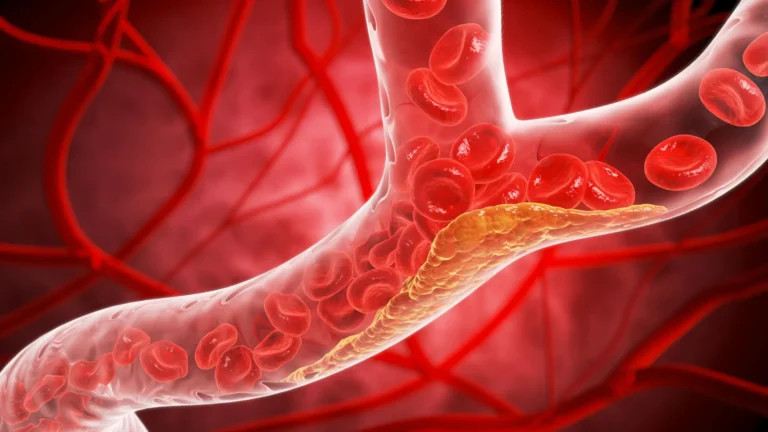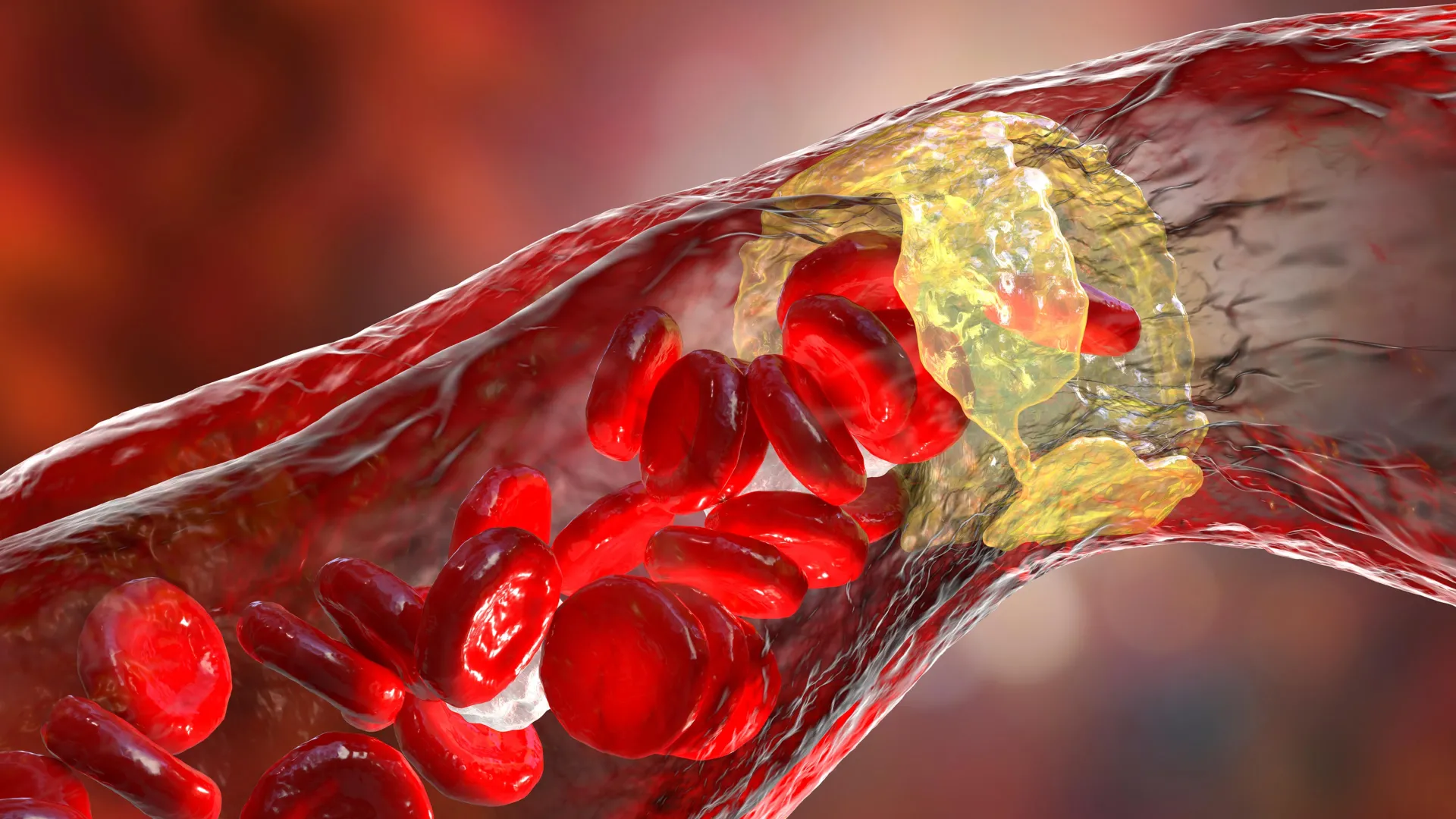
In a major shift that could redefine the clinical management of cardiovascular health, researchers from Mass General Brigham have unveiled findings that challenge the traditional "wait-and-see" approach to heart disease. A new study, presented at the American College of Cardiology’s Annual Scientific Session & Expo and simultaneously published in the Journal of the American Medical Association (JAMA), suggests that the drug evolocumab—a potent cholesterol-lowering medication—can significantly prevent initial major cardiovascular events in patients with high-risk diabetes who have not yet developed clinical atherosclerosis.
The implications of this research are profound. For decades, intensive lipid-lowering therapies have been largely reserved for patients who have already suffered a cardiac event or have been diagnosed with advanced arterial plaque. These new findings suggest that by identifying high-risk individuals earlier and initiating aggressive intervention, clinicians could stop heart attacks and strokes before they ever occur.
The Evolution of Preventive Cardiology
To understand the weight of these findings, one must look at the historical trajectory of cholesterol management. For over a decade, medical guidelines have prioritized secondary prevention—treating those who have already experienced a heart attack, stroke, or unstable angina. The logic was rooted in cost-effectiveness and the severity of disease progression.
However, Dr. Nicholas A. Marston, a cardiologist at the Mass General Brigham Heart and Vascular Institute and the study’s corresponding author, believes the clinical community has been missing a critical window of opportunity. "For over a decade, intensive cholesterol-lowering therapies have been reserved for patients who already have cardiovascular disease," Dr. Marston stated. "These results demonstrate the benefit of intensive cholesterol lowering earlier and should change how we think about the prevention of heart attacks, strokes, and heart disease in patients without known significant atherosclerosis."
The Role of PCSK9 Inhibitors
The drug at the center of this study, evolocumab, belongs to a class of medications known as PCSK9 inhibitors. While statins have long been the gold standard for cholesterol management, they do not work for every patient, and some individuals require more aggressive reduction to reach their target levels. PCSK9 inhibitors function by blocking a specific protein in the liver, effectively increasing the liver’s ability to clear low-density lipoprotein cholesterol (LDL-C)—the "bad" cholesterol—from the blood.
In clinical settings, these drugs can reduce LDL-C levels by approximately 60%, offering a powerful supplement to standard statin therapy. Despite their efficacy, their use has historically been restricted, often due to their cost and the clinical focus on patients with established, high-burden disease.
The VESALIUS-CV Trial: A Rigorous Methodology
The data presented by Mass General Brigham researchers stems from a subgroup analysis of the expansive VESALIUS-CV randomized trial, which was funded by Amgen Inc. The trial was specifically designed to test whether patients at high risk for heart disease, but who lack the "smoking gun" of diagnosed atherosclerosis, would benefit from early, aggressive intervention.
Defining "High-Risk" Diabetes
The study focused on a cohort of 3,655 patients who were identified as having "high-risk" diabetes. In the context of this study, this classification was not merely based on blood sugar levels. Researchers defined high-risk as individuals who met at least one of the following criteria:
- Having been diagnosed with diabetes for 10 years or longer.
- Requiring daily insulin therapy to manage glucose levels.
- Presenting with evidence of diabetes-related microvascular damage (damage to small blood vessels).
These patients represent a population that is inherently vulnerable to cardiovascular complications due to the systemic nature of diabetes, yet they are often overlooked in standard cardiac prevention protocols until an event occurs.
Trial Design and Implementation
Participants were randomized into two distinct groups. One group received injections of evolocumab every two weeks, while the other received a placebo. Crucially, both groups continued their standard-of-care treatments, including statins and, where appropriate, ezetimibe, ensuring that the study measured the additional benefit of evolocumab on top of conventional therapy.
Supporting Data: The Impact on Lipid Profiles and Outcomes
The statistical results of the trial provided a clear, quantitative argument for the efficacy of the treatment.
Dramatic Reductions in LDL-C
The biological impact of the drug was immediate and sustained. By the 48-week mark of the study, the difference in cholesterol levels between the two groups was stark. The evolocumab group saw their median LDL-C levels plummet to 52 mg/dL, compared to 111 mg/dL in the placebo group—a 51% reduction. This dramatic lowering of "bad cholesterol" provided the physiological foundation for the improved clinical outcomes that followed.
The Reduction in Cardiovascular Events
Over a five-year follow-up period, the primary endpoint—a composite of death from coronary heart disease, heart attack, or ischemic stroke—was significantly lower in the treated group. Patients receiving evolocumab experienced a 31% lower risk of their first major cardiovascular event.
In absolute terms, the benefit was clear: after five years, only 5% of the patients in the evolocumab group had suffered a major event, compared to 7.1% in the placebo group. While these percentages may seem small in isolation, when extrapolated across the millions of individuals living with high-risk diabetes globally, the potential to save thousands of lives and prevent significant morbidity is substantial.
Safety and Tolerability
One of the most important aspects of the study was the safety profile. Concerns regarding the long-term use of injectable biologics often include potential adverse reactions or immune-related complications. However, the study reported that serious side effects occurred at similar rates in both the treatment and placebo groups. This suggests that the therapy is not only effective but also well-tolerated for long-term primary prevention in this specific high-risk population.
Official Responses and Clinical Implications
The medical community has reacted with cautious optimism, recognizing that this study could represent a paradigm shift in how primary care physicians and cardiologists approach diabetes management.
By targeting patients before the onset of plaque buildup, clinicians may be able to alter the natural history of the disease. "This is about moving the needle from reactive treatment to proactive prevention," said one independent observer familiar with the study. "If you have a patient who is diabetic, insulin-dependent, and has had the disease for a decade, you are essentially looking at a ‘ticking clock’ for cardiovascular events. This data suggests we don’t have to wait for the heart attack to justify aggressive cholesterol management."
The Need for Future Research
While the findings are compelling, the research team remains disciplined in their outlook. Dr. Marston and his colleagues have emphasized that these results are specific to the high-risk diabetes population studied. Further research is required to determine whether these benefits extend to other patient populations who, while high-risk, do not fit the specific diabetes criteria used in this trial.
There is also the question of cost-effectiveness and healthcare accessibility. As a class of drugs, PCSK9 inhibitors are significantly more expensive than generic statins. Integrating them into standard care for a broader group of patients will require a robust conversation among policymakers, insurance providers, and medical societies regarding long-term cost-benefit analyses.
Conclusion: A New Standard for Prevention
The Mass General Brigham study serves as a call to action for the medical community. By demonstrating that evolocumab can reduce the risk of major cardiovascular events in high-risk diabetes patients without established atherosclerosis, the researchers have opened a new door for preventative medicine.
As the findings from the VESALIUS-CV trial continue to be digested by the cardiology community, the focus will likely shift toward updating clinical guidelines. The ability to intervene before the structural damage of atherosclerosis takes hold could represent the most significant development in cardiac health in the last decade. For the millions of patients living with diabetes, this research offers a future where a diagnosis of diabetes does not inevitably lead to a future of cardiovascular crisis, provided that the right tools are deployed at the right time.
Author Disclosure and Funding Note
This study was funded by Amgen Inc. Several authors, including Dr. Marston, Dr. Bohula, and Dr. Sabatine, maintain ties to the TIMI Study Group and have reported various financial disclosures, including grant support and consulting fees from Amgen and other pharmaceutical entities. For a full list of disclosures, readers are encouraged to consult the original publication in JAMA.