WASHINGTON — Federal health authorities are currently navigating a significant public health challenge as a salmonella outbreak, linked to a series of contaminated shell eggs, has spread across 17 states. The outbreak, which has resulted in nearly 100 confirmed illnesses and dozens of hospitalizations, serves as a stark reminder of the complexities inherent in the modern food supply chain and the critical importance of rigorous safety protocols in poultry production.
The U.S. Food and Drug Administration (FDA) and the Centers for Disease Control and Prevention (CDC) are leading the investigation, working to contain the spread of the pathogen and prevent further harm to the public. As investigators continue to piece together the origins of the contamination, the recall of products distributed by Indiana-based Midwest Poultry Services has become the central focus of the national effort.
Main Facts: The Scope of the Crisis
According to the latest data provided by federal health officials, 98 individuals have been confirmed ill as part of this ongoing outbreak. The illnesses, which have occurred across 17 states, demonstrate the reach of large-scale commercial distribution networks.
While the majority of those afflicted have experienced symptoms consistent with standard salmonella infection—including diarrhea, fever, abdominal cramps, and vomiting—the severity of the outbreak is highlighted by the fact that 26 of these individuals required hospitalization due to the intensity of their symptoms or the threat of severe dehydration. Fortunately, as of this reporting, no deaths have been linked to this specific outbreak.
The primary vehicle for the bacteria has been identified as shell eggs produced and processed at facilities managed by Midwest Poultry Services. While the company has initiated a significant recall, officials caution that these recalled products do not account for every single illness reported, suggesting that the investigation remains active and that the source of the contamination may be more widespread than initially anticipated.
Chronology of the Outbreak
The timeline of the current crisis spans several months, revealing a delayed recognition of a persistent food safety hazard.
- November 21: The earliest onset of illness reported to health authorities. This date marks the beginning of a window during which the pathogen was circulating undetected within the food supply.
- June 6 – July 3: The critical window during which the contaminated eggs were produced and distributed from Midwest Poultry Services farms in Texas.
- Late June – Early July: Following reports of illness, federal investigators began conducting intensive testing at the identified production facilities. Samples collected by Midwest Poultry at their Texas farms eventually tested positive for Salmonella Enteritidis.
- June 30: The most recent date of illness onset reported to the FDA, indicating that contaminated products may have remained in circulation for several weeks after their initial distribution.
- Post-Recall Phase: Following the genetic verification that the strain found in the Texas facility matched the strain recovered from patients, federal agencies moved to initiate the recall and coordinate with retail chains to remove the products from shelves.
Supporting Data and Genetic Analysis
The strength of the current investigation relies heavily on Whole Genome Sequencing (WGS). This advanced molecular technique allows scientists to determine the genetic fingerprint of the salmonella bacteria found in patients and compare it precisely to the bacteria isolated from environmental samples collected at the poultry farms.
The findings from these genetic tests provided the "smoking gun" for investigators. By confirming a definitive link between the clinical samples from sick individuals and the environmental samples from the Texas-based farms, the FDA was able to move from a general investigation of foodborne illness to a targeted recall of specific production batches.
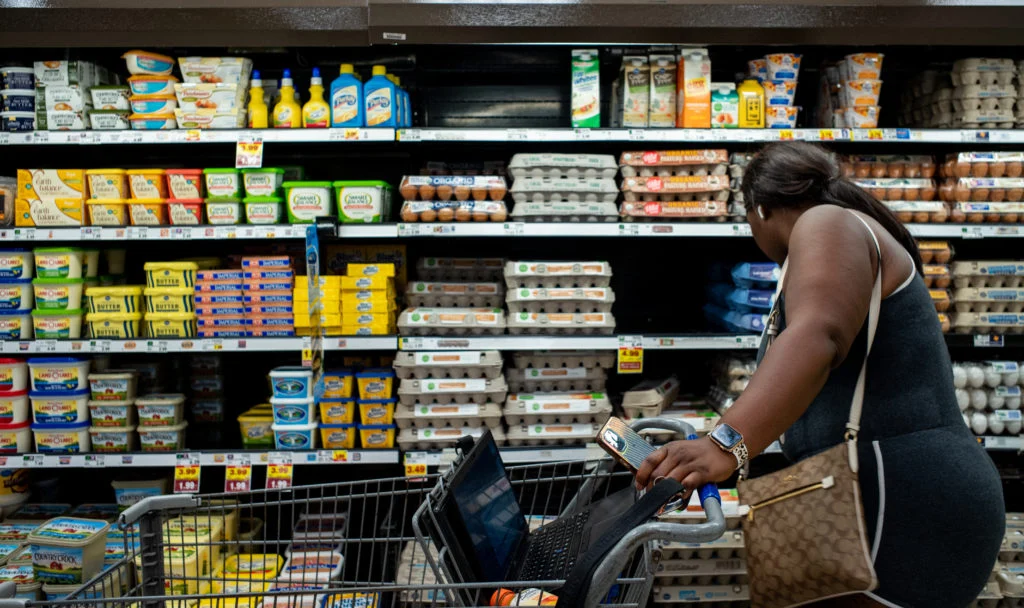
The geographic spread—spanning 17 states—underscores the logistical complexity of the egg industry. Eggs from the implicated facilities were distributed through major regional retailers, including Kroger stores in Texas and Louisiana, as well as Brookshire Grocery locations across Texas, Oklahoma, Arkansas, Louisiana, New Mexico, and Mississippi. Consumers who purchased eggs in these regions are being urged to check their refrigerators for cartons with "sell-by" or "best-by" dates ranging from July 20 to Aug. 17.
Official Responses and Safety Recommendations
The FDA, in conjunction with the CDC, has issued clear directives to the public and the industry. The primary message is one of vigilance: consumers must inspect their egg supply immediately.
"If you have these eggs in your home, do not eat them," the FDA stated in its latest guidance. "Return them to the place of purchase for a full refund or discard them in a sealed bag to prevent cross-contamination with other food items."
Clinical Guidance
Health professionals are reminding the public that while most healthy individuals recover from salmonella infection within four to seven days without specific treatment, the risk profile changes significantly for vulnerable populations.
"Children younger than 5, adults older than 65, and individuals with compromised immune systems are at a significantly higher risk for severe illness," says a representative from the CDC. In these cases, the infection may spread from the intestines to the bloodstream, necessitating immediate medical intervention and intravenous antibiotic therapy.
Industry Accountability
Midwest Poultry Services has cooperated with the recall, though the company faces increased scrutiny regarding its facility sanitation protocols. The presence of salmonella in the environment of a poultry farm often points to failures in biosecurity, such as improper waste management, insufficient pest control, or contamination in the feed supply. The FDA has indicated that it will continue to monitor the company’s remediation efforts to ensure that the risk of future contamination is mitigated.
Implications for Food Safety and Public Policy
The current outbreak is not an isolated event but rather a symptomatic reflection of the vulnerabilities in the American agricultural infrastructure. The consolidation of large-scale poultry production facilities means that a single point of failure—such as a contaminated farm in Texas—can have rapid, nationwide repercussions.
The Role of Transparency
Experts in food safety argue that this incident highlights the need for greater transparency in the supply chain. "When a recall occurs, the speed at which that information reaches the consumer is the difference between a minor incident and a mass outbreak," notes Dr. Elena Rodriguez, a food safety consultant. "While the recall system worked in this instance, the delay between the first illness in November and the eventual identification of the source suggests that our surveillance systems for foodborne illness need to be more proactive."
Future Preventative Measures
The implications for the industry are profound. Poultry producers are likely to face more rigorous inspections and stricter mandates regarding salmonella testing. The FDA is currently moving toward a more modernized approach to food safety, emphasizing "prevention over reaction." This involves the implementation of the Food Safety Modernization Act (FSMA), which grants the FDA broader authority to issue recalls and conduct facility audits.
Furthermore, this outbreak has sparked a broader conversation about the "sell-by" and "best-by" date systems. Because these labels are often misinterpreted by consumers as absolute safety indicators rather than quality metrics, public health officials are pushing for clearer, standardized labeling that explicitly communicates when a product should no longer be consumed due to potential safety risks.
The Human Cost
Beyond the policy discussions and the legal ramifications, the human element remains the most significant concern. For the 26 individuals who required hospitalization, the impact of this outbreak was severe, involving days or weeks of recovery, medical bills, and lost productivity. The psychological toll on those affected, and the broader loss of consumer confidence in the safety of staple goods like eggs, presents a challenge for the poultry industry to regain trust.
As the investigation concludes, the focus will shift from containment to long-term monitoring. The FDA has committed to publishing a comprehensive report once all samples have been analyzed and the outbreak is officially declared over. Until then, the message from Washington remains firm: check your cartons, practice proper hygiene in the kitchen, and stay informed through official government channels.
The incident serves as a sobering reminder that even in a highly regulated environment, the threat of foodborne pathogens persists. It underscores the necessity of a free and independent press in disseminating vital health information, ensuring that the public remains protected through transparency and accountability.