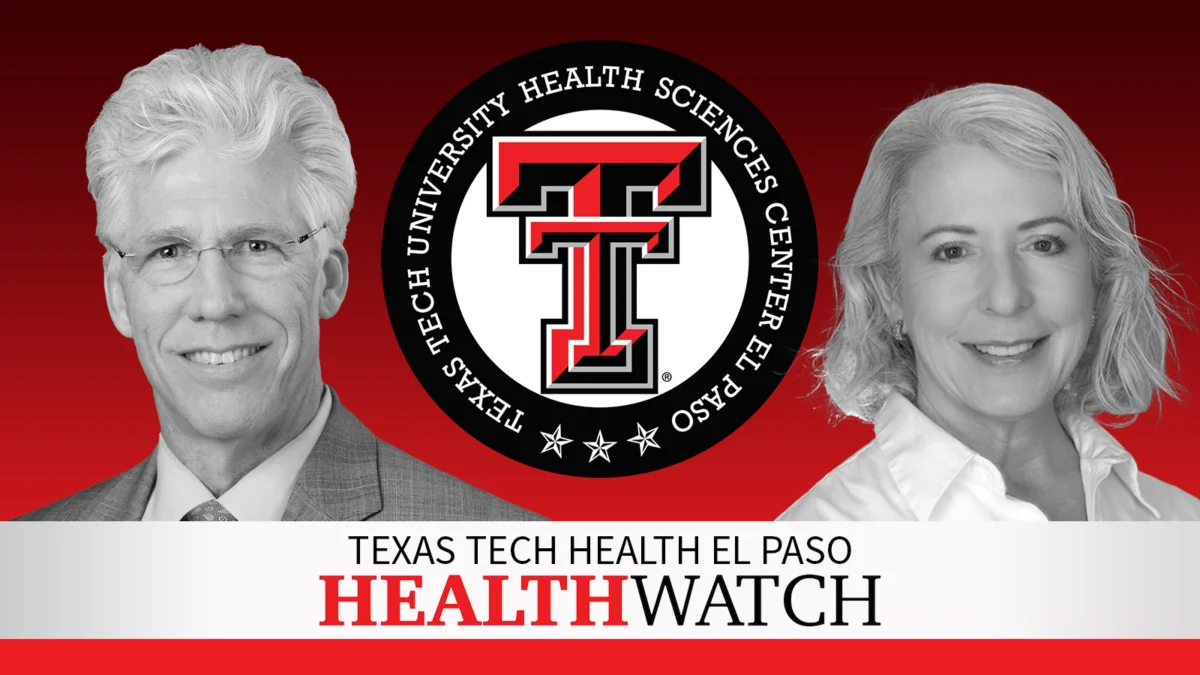
In an era of rapidly evolving clinical research, staying abreast of the latest medical breakthroughs is a daunting task for both practitioners and patients. TTHealthWatch, the weekly podcast hosted by Elizabeth Tracey of Johns Hopkins Medicine and Dr. Rick Lange, president of Texas Tech Health El Paso, serves as a vital bridge between complex peer-reviewed journals and public understanding. This week, the program dissected four critical areas of medicine: the role of exercise in blood pressure management, the expansion of endovascular stroke intervention, the potential resurgence of digoxin in heart failure treatment, and the complex link between maternal occupation and autism.
Exercise and Ambulatory Blood Pressure: Beyond the Office Visit
For decades, the standard for assessing hypertension has been the office-based blood pressure measurement. However, as the medical community increasingly recognizes, the “white coat effect” and other transient factors can lead to inaccurate readings.
The Shift to 24-Hour Monitoring
A landmark network meta-analysis published in The BMJ has finally provided a comprehensive look at how various exercise modalities impact 24-hour ambulatory blood pressure (ABP). Unlike office readings, 24-hour ABP is a superior predictor of mortality, cardiovascular risk, and overall patient health.
The study reviewed randomized controlled trials (RCTs) involving four or more weeks of exercise training. The data demonstrated that aerobic exercise, combined exercise regimens, and high-intensity interval training (HIIT) all significantly lowered 24-hour blood pressure compared to control groups. Interestingly, while these modalities proved effective, researchers noted a lack of sufficient data regarding non-conventional exercises, such as yoga or isometric training, leaving a significant gap in our current understanding of holistic exercise prescriptions.
Clinical Implications
Dr. Rick Lange emphasized that while exercise is a cornerstone of hypertension prevention, the medical community must distinguish between the transient blood pressure spikes observed during resistance training and the sustained long-term reductions provided by cardiovascular activity. As the field advances, clinicians are looking for data on whether resistance exercise, when performed in isolation or in combination with behavioral counseling and diet, adds a unique protective benefit that aerobic exercise alone cannot provide.
Thrombectomy for Medium-Vessel Occlusions: A Nuanced Approach
The success of endovascular thrombectomy in treating large-vessel occlusive strokes has been one of the greatest triumphs of modern neurology. However, the application of this procedure to medium-sized vessels has remained a subject of intense debate.
Challenging the Scope of Intervention
Recent studies, particularly a large-scale trial conducted across 48 centers in China, aimed to determine if thrombectomy could improve outcomes for patients with medium-vessel strokes. The trial randomized nearly 600 patients to receive either standard medical management (clot-busting drugs) or thrombectomy combined with medical management.
The results were statistically significant: 59% of patients in the thrombectomy group achieved functional independence at 90 days, compared to 47% in the control group. However, these benefits came with an increased risk of symptomatic intracranial hemorrhage (nearly 5% versus 2.2%).
The Verdict on Patient Selection
The consensus among experts, as noted by the program, is that thrombectomy for medium-vessel occlusion is not a “one-size-fits-all” solution. The editorialists associated with the study suggest that patients with well-evolved infarcts are unlikely to benefit and may even face harm from reperfusion therapy. Success appears to be heavily contingent upon precise patient selection, focusing on younger patients with moderate to severe symptoms who may not be ideal candidates for thrombolytic therapy alone.
Digoxin: The “Fifth Pillar” of Heart Failure Management?
Digoxin, a medication derived from the foxglove plant, has been a staple of cardiology for centuries. Yet, in recent years, it had fallen out of favor as newer pharmacological agents took center stage.
Returning to a Proven Therapy
The latest evidence from JAMA suggests that it may be time to re-evaluate digoxin as the "fifth pillar" of heart failure management, joining ACE inhibitors, mineralocorticoid receptor antagonists, beta-blockers, and SGLT2 inhibitors.
Researchers analyzed data from over 10,000 patients, finding that low-dose digoxin, when added to routine therapy, significantly reduced the composite endpoint of mortality and heart failure-related hospitalizations. Crucially, the safety profile was favorable, with only 1% of patients experiencing toxicity requiring discontinuation of the drug.
Strategic Application
Dr. Lange noted that the clinical utility of digoxin is most pronounced in patients with reduced ejection fraction who suffer from recurrent hospitalizations. While it is not a panacea for all heart failure patients—specifically those with preserved ejection fraction—the findings suggest that leveraging long-standing experience with the drug, combined with modern low-dose protocols, provides a cost-effective and clinically sound strategy to reduce the burden of heart failure.
Maternal Occupation and Autism: Correlation vs. Causation
One of the most complex topics explored this week involved a Danish study investigating the association between maternal occupational history and the development of autism spectrum disorder (ASD) in offspring.
Parsing the Data
Using extensive data from the Danish Pension Fund Registry, researchers tracked 1,702 ASD cases from 1973 to 2012. The study examined employment during four windows: “ever held,” one year before conception, during pregnancy, and during infancy. Initial findings suggested associations between ASD risk and maternal employment in ground transportation, public administration, and military/defense sectors.
Scientific Skepticism
Both Elizabeth Tracey and Dr. Lange expressed significant caution regarding these results. When researchers applied a “false discovery rate” correction—a statistical measure used to prevent false positives in large datasets—the associations largely disappeared.
Furthermore, the lack of a clear biological mechanism for why certain occupations (such as public administration) might influence neurodevelopment, while others (such as chemical processing) showed no correlation, undermines the findings. As it stands, the medical community warns against drawing definitive conclusions from this data. Pregnant individuals should not feel compelled to alter their careers based on these marginal associations, as the current evidence is far too weak to suggest a direct causal link.
Implications for Future Medical Practice
The diversity of this week’s topics highlights the iterative nature of medicine. From the “re-discovery” of digoxin to the rigorous testing of stroke interventions and the critical evaluation of epidemiological studies, TTHealthWatch underscores the importance of evidence-based skepticism.
Key Takeaways for Practitioners:
- Precision Medicine in Strokes: Thrombectomy for medium-vessel occlusion requires careful imaging and patient selection; it is not a universal standard of care.
- Heart Failure Optimization: Digoxin remains a viable, safe, and effective tool for reducing hospitalizations in specific heart failure populations when dosed correctly.
- Lifestyle Medicine: While exercise is universally beneficial, the specific modalities and their long-term effects on ambulatory blood pressure continue to be a primary area for clinical refinement.
- Data Interpretation: In epidemiological studies, particularly those regarding environmental or occupational factors, statistical rigor is paramount to distinguish between actual risk and random noise.
As these findings demonstrate, the path to better patient outcomes is paved by questioning long-held assumptions and meticulously vetting new interventions. Whether it is through the lens of a 24-hour blood pressure monitor or the data from a national health registry, the goal remains the same: to provide the most accurate, safe, and effective care possible.
For more detailed discussions on these topics, listeners are encouraged to tune into the full TTHealthWatch podcast, where these headlines are explored in depth by experts at the forefront of their respective fields.