







As we cross the threshold into our 50s, the definition of physical fitness undergoes a fundamental shift. The vanity-driven pursuit of a "six-pack" or high-intensity abdominal crunches often gives way to a more vital, functional necessity: stability. For those over 50, core strength is no longer about aesthetics; it is the cornerstone of longevity, balance, and independence.
A robust midsection acts as the body’s command center. It stabilizes the hips, supports the lumbar spine, and provides the necessary foundation for the arms and legs to operate efficiently. When this foundation weakens, everyday tasks—getting out of bed, carrying groceries, or navigating uneven terrain—become more taxing and potentially hazardous. By shifting the focus from "burning" the abs to building a supportive, resilient core, individuals can dramatically improve their quality of life.
The Science of Midsection Stability
Modern exercise physiology emphasizes that core strength is about how effectively the midsection supports the entire kinetic chain. According to research published in the National Center for Biotechnology Information (NCBI), core stability is a primary determinant in preventing musculoskeletal imbalances that lead to chronic pain.
When the deep stabilizing muscles—specifically the transverse abdominis, multifidus, and pelvic floor—are properly conditioned, they act as an internal corset. This "bracing" mechanism protects the spine from shear forces and compression during daily movement. For those over 50, training these muscles to engage reflexively is the key to reducing the risk of falls and improving posture.
A Strategic Approach: Why Morning Training Wins
Many fitness enthusiasts fall into the trap of saving core work for the end of a high-intensity gym session. However, by the time a workout is drawing to a close, the central nervous system is often fatigued, leading to compromised form and "sloppy" repetitions.
Integrating a dedicated core routine into your morning serves two purposes. First, it provides a "clean window" of time when you are mentally fresh, allowing for the focus required to maintain proper tension and breathing patterns. Second, it primes the body for the day ahead. By waking up the deep stabilizers first, you ensure that your body moves with better mechanics throughout the entire day.
The Five Pillars of Functional Core Strength
To rebuild core strength effectively after 50, one must look beyond traditional sit-ups. The following five movements are selected for their ability to train the midsection from multiple angles, ensuring a 360-degree approach to stability.
1. The Bird-Dog: Mastering Cross-Body Coordination
The bird-dog is perhaps the most underrated exercise for spinal health. It requires the body to maintain a neutral spine while moving opposite limbs, which directly mimics the mechanics of walking and reaching.
- The Benefit: It trains the core, glutes, and shoulders to work in tandem.
- Form Focus: Reach long rather than high. The goal is to keep the hips square to the floor, preventing any "wobble" in the lower back.
- Prescription: 3 sets of 8–10 reps per side, with 30 seconds of rest.
2. Side Plank with Rotation: Building Oblique Resilience
Rotational strength is often the "missing link" in fitness programs for older adults. The side plank with rotation challenges the obliques and deep lateral stabilizers to hold the body in a straight line while resisting the forces of gravity and movement.
- The Benefit: It builds the capacity to turn, pivot, and carry weight safely—movements essential for daily independence.
- Form Focus: Keep the hips elevated throughout the rotation. Do not allow the shoulder to collapse toward the floor.
- Prescription: 3 sets of 6–8 reps per side.
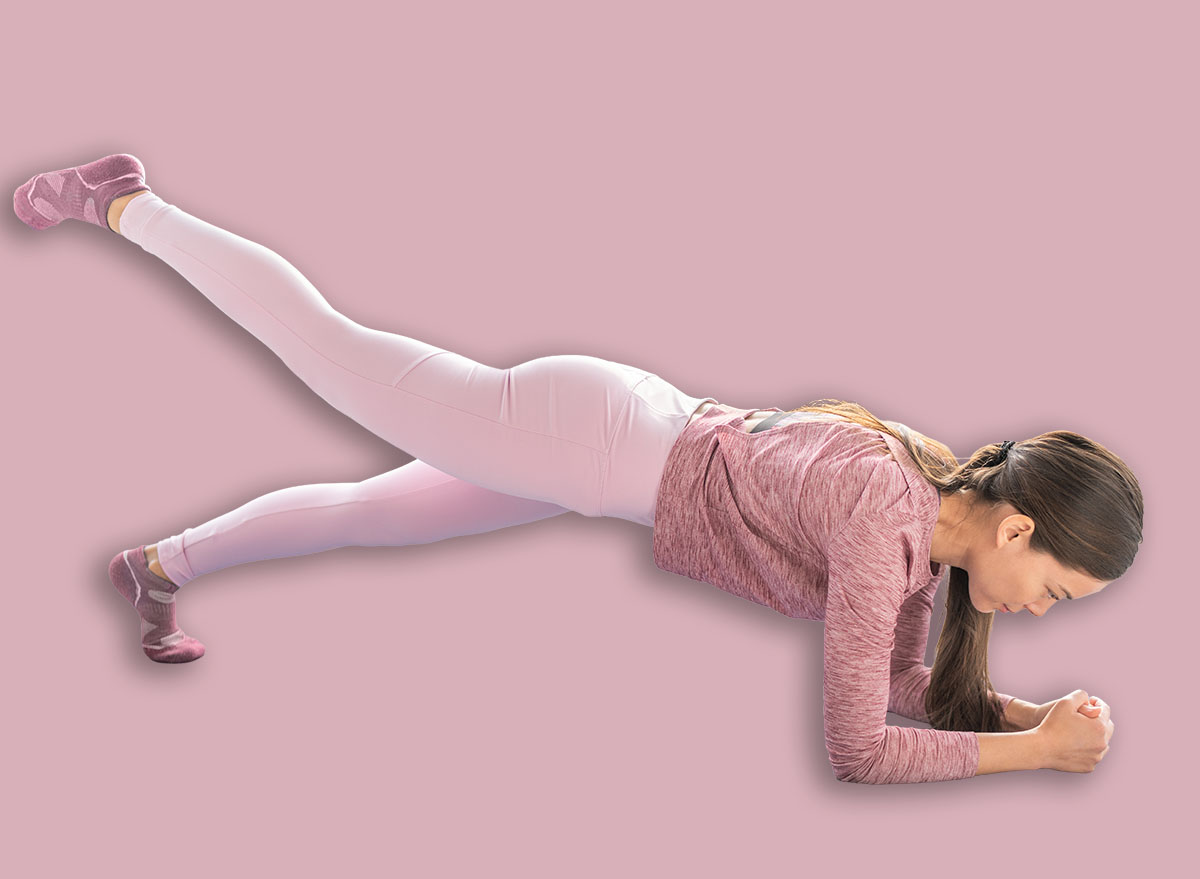
3. Plank with Leg Lift: Glute-Core Integration
The standard plank is excellent, but adding a leg lift introduces a dynamic challenge that forces the core to compensate for the loss of a point of contact. This prevents the lower back from taking the load, forcing the glutes and abs to collaborate.
- The Benefit: Direct carryover to climbing stairs and maintaining balance on one leg.
- Form Focus: Lift the leg only as high as you can while keeping the lower back flat. If your back arches, you have exceeded your range of control.
- Prescription: 3 sets of 8–10 lifts per leg.
4. Alternating Dead Bug: Protecting the Spine
The dead bug is the gold standard for "anti-extension" training. By lying on your back and moving opposite limbs, you teach your body to maintain a neutral spine despite the challenge of moving your legs and arms.
- The Benefit: It improves lower abdominal strength without the neck strain associated with traditional crunches.
- Form Focus: Maintain constant contact between your lower back and the floor.
- Prescription: 3 sets of 8–10 reps per side.
5. Banded Pallof Hold: Anti-Rotation Mastery
The Pallof hold is the ultimate tool for anti-rotation. By resisting the pull of a resistance band, you are training your body to stay centered when external forces try to pull you off-balance.
- The Benefit: It is exceptionally practical for lifting uneven loads, such as a grocery bag or a grandchild, without twisting the spine.
- Form Focus: Keep the ribs down and maintain tension in the core throughout the hold.
- Prescription: 3 sets of 15–25 second holds per side.
Implications for Longevity and Daily Function
The transition into one’s 50s and beyond is a period where physical maintenance becomes paramount. The "use it or lose it" principle is nowhere more applicable than in the core musculature.
Chronology of Improvements
- Weeks 1–4: Neurological adaptation. You will notice that you feel "taller" and more aware of your posture. Minor aches during daily activities begin to subside.
- Weeks 4–8: Muscle endurance. The ability to perform tasks like carrying groceries or standing for long periods becomes noticeably easier.
- Month 3 and Beyond: Structural resilience. The integration of these movements becomes a habit, and the body becomes better at self-correcting during minor stumbles or awkward reaches.
Expert Guidance on Implementation
The consensus among physical therapists and trainers is clear: quality trumps quantity. A set of 20 sloppy crunches is significantly less valuable than five slow, deliberate, and perfectly executed bird-dogs.
"The goal is not to exhaust the muscle to the point of failure," notes one expert coach, "but to reinforce the brain-to-muscle connection." When performing these movements, prioritize "clean positions." If you find yourself shaking uncontrollably or losing your breath, scale back the intensity. The objective is to build a "bank account" of strength, not to empty it in one session.
Conclusion: A New Foundation
The narrative surrounding fitness after 50 is changing. It is moving away from the high-impact, high-stress workouts of youth and toward a smarter, more deliberate approach to health. By dedicating just ten minutes each morning to these core-stabilizing movements, you are not just exercising; you are investing in your future.
A strong, stable core is the difference between navigating your later years with confidence and doing so with trepidation. Whether you are walking on uneven ground or simply reaching for a high shelf, a stable midsection ensures that you remain the master of your own movement. Start today, keep your reps slow and steady, and allow your body to build the resilience it deserves.