The golden years are meant to be a time of exploration, relaxation, and fulfillment. However, for many, this stage of life is quietly undermined by a physiological reality: sarcopenia. While we often associate aging with slowing down, the physical decline of muscle mass is not an inevitable fate to be passively accepted. It is a biological process that can be halted, and even reversed, through targeted, functional movement.
According to leading fitness experts, the secret to maintaining independence and vitality after the age of 60 isn’t found in high-intensity, machine-based gym sessions, but in a consistent, intentional morning routine that focuses on functional strength.
The Silent Crisis: Understanding Sarcopenia
Sarcopenia, the age-related loss of muscle mass, is a stealthy opponent. It does not begin in your 60s; it typically takes root in your 30s. Most adults lose between 3% and 8% of their muscle mass per decade during midlife, a rate that accelerates significantly once a person crosses the 60-year mark.
"The drivers are multifaceted," explains Jacob Siwicki, founder of Siwicki Fitness. "We see ‘anabolic resistance,’ which means your muscles become less efficient at utilizing the protein you consume. This is compounded by hormonal shifts—a decline in testosterone for men and estrogen for women—and a reduction in spontaneous daily activity."
Perhaps most alarming is the loss of fast-twitch muscle fibers, which decline more rapidly than slow-twitch fibers. "The hidden danger underneath all of that is power loss," Siwicki warns. "Power drops even faster than muscle mass and is the single biggest predictor of falls, hospitalizations, and the eventual loss of independence."
The Functional Approach: Why Morning Movement Matters
Justin Kraft, a NASM-certified Performance Enhancement Specialist and founder of Aspire2MoreFitness, emphasizes that "functional strength" is the cornerstone of healthy aging. Rather than isolating muscles on complex gym machines, functional training mimics the movements we perform in our daily lives—sitting, standing, carrying groceries, and maintaining balance.
Kickstarting your morning with these movements does more than just wake up the body; it primes the nervous system for the day ahead. By integrating these five simple, equipment-free exercises into your morning, you are not just exercising; you are building a biological insurance policy against the frailty often associated with aging.
1. Sit-to-Stands: The Foundation of Lower Body Mobility
The humble chair is one of the most effective pieces of gym equipment available. The "Sit-to-Stand" is a fundamental movement pattern that preserves the strength of the quads, glutes, and core.
"I recommend these as the number one exercise because they build strength in the areas people need most for daily survival," says Kraft. "Being able to stand up from a chair with control is one of the clearest signs of functional lower-body strength. It sounds simple, but as we age, this motion is vital to maintaining independence."
How to execute:
- Position yourself in front of a sturdy chair.
- Keep your feet hip-width apart and your chest tall.
- Lower yourself slowly toward the seat, keeping your weight in your heels.
- Once your glutes lightly touch the chair, drive through your heels to stand back up, engaging your core throughout the movement.
2. Step-Ups: Building Stability and Coordination
As we age, our center of gravity and balance can shift. Step-ups serve as a bilateral exercise that forces each leg to work independently, which is crucial for addressing muscle imbalances and improving coordination.
"Step-ups help rebuild lower-body strength while training balance and single-leg control," explains Kraft. "After 60, that combination matters because people are often dealing with both muscle loss and reduced stability."
How to execute:
- Find a sturdy step or a low platform.
- Step up with one foot, driving your body upward by pushing through the heel of the leading leg.
- Bring the trailing foot to meet the leading foot, then slowly step back down.
- Alternate legs to ensure even development.
3. Incline Pushups: Upper-Body Pushing Power
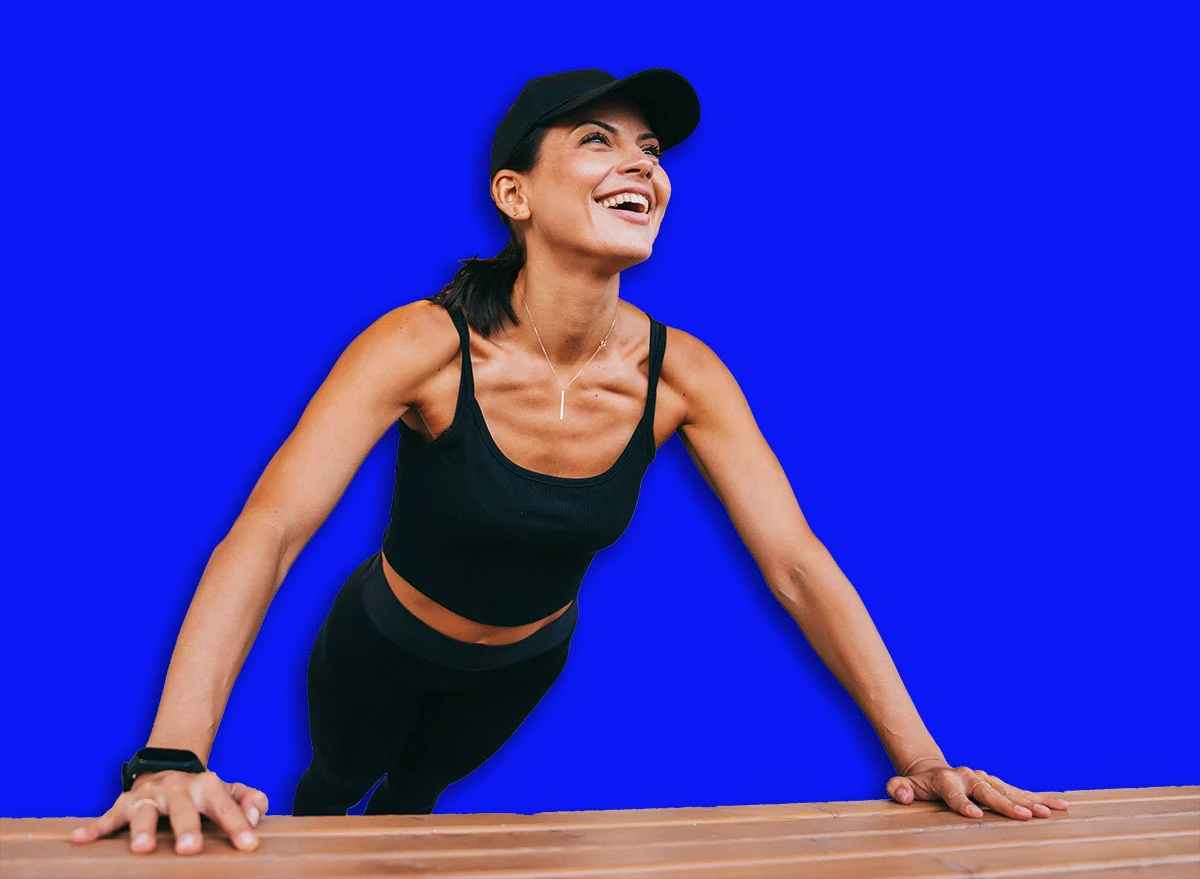
Upper-body strength is vital for everything from opening doors to pushing yourself up from a bed or chair. Traditional floor pushups can be daunting or uncomfortable for those with joint issues, which is why incline pushups are a superior, scalable alternative.
"It’s one of my favorite ways to train upper-body pushing strength safely," says Kraft. "It works the chest, shoulders, arms, and core without requiring someone to get down on the floor, and it’s easy to adjust based on your current ability."
How to execute:
- Place your hands on a stable, elevated surface, such as a sturdy countertop or a kitchen table.
- Walk your feet back until your body forms a straight line from head to heels.
- Lower your chest toward the surface, keeping your elbows tucked at a 45-degree angle.
- Push back to the starting position with controlled, intentional movement.
4. The Farmer’s Carry: Real-World Resilience
If there is one exercise that translates directly to "real life," it is the Farmer’s Carry. This movement trains grip strength, posture, and core stability simultaneously.
"So many folks I meet past 60 start losing grip strength and posture while walking," Kraft observes. "This keeps those muscles firing and ensures you stay mobile."
How to execute:
- Hold a weight (or a household item like a gallon of water or a grocery bag) in each hand.
- Keep your shoulders back, your chest up, and your core braced.
- Walk with a steady, confident pace for a set distance or time.
- The goal is to prevent the weight from swinging or pulling your posture out of alignment.
5. Glute Bridges: Activating the Body’s Powerhouse
The glutes are the largest muscle group in the human body, yet they are often the first to weaken due to sedentary behavior. "The glutes are the largest muscle in the body and the first to weaken after 60," Siwicki notes. Strong glutes are essential for protecting the lower back and ensuring smooth, efficient movement.
How to execute:
- Lie on your back with your knees bent and feet flat on the floor, hip-width apart.
- Drive through your heels to lift your hips toward the ceiling.
- Squeeze your glutes at the top of the movement, ensuring you do not hyperextend your lower back.
- Lower back down with control.
Implications for Long-Term Health
The implications of adopting a routine like this are profound. Beyond the aesthetic benefits of muscle maintenance, this approach directly combats the "anabolic resistance" and "power loss" identified by experts like Siwicki.
By engaging in these exercises, you are essentially signaling to your body that it needs to prioritize protein synthesis and fiber retention. You are creating a metabolic environment that favors growth rather than atrophy.
A Note on Sustainability
The experts agree: consistency beats intensity every time. You do not need to spend hours in the gym to see results. By dedicating 15–20 minutes each morning to these five moves, you are making a proactive choice to remain mobile, capable, and strong.
As you progress, you can increase the intensity by slowing down the movements, adding light resistance, or increasing the number of repetitions. However, the most important step remains the first one: getting started. Whether you are 60, 70, or beyond, your muscles possess a remarkable capacity for adaptation. It is never too late to reclaim your strength, improve your balance, and secure your independence for the years to come.
Always consult with a physician or a certified fitness professional before beginning a new exercise program, especially if you have pre-existing health conditions or mobility concerns.