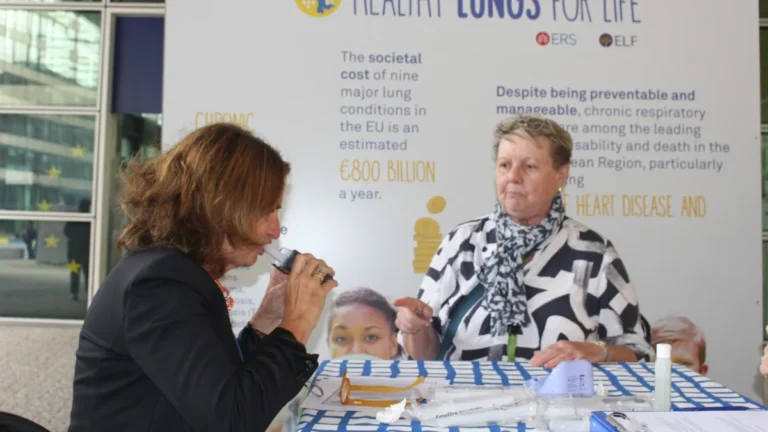

The landscape of modern healthcare is shifting, with respiratory care emerging as a critical pillar in clinical excellence, patient outcomes, and educational innovation. From the flight decks of emergency transport teams to the corridors of academic institutions and military medical facilities, respiratory therapists (RTs) are increasingly recognized for their indispensable contributions.
Recent media coverage has highlighted the diverse and expanding roles of AARC members, showcasing how these professionals are shaping the future of medicine. Whether by spearheading financial support programs for students, serving on the front lines of military medicine, or receiving international accolades for clinical excellence, AARC members are defining the standard of care in the 21st century.
The Evolution of the Profession: A Chronology of Recent Milestones
The current visibility of the respiratory therapy profession is not coincidental; it is the result of years of advocacy, clinical rigor, and academic development. Below is a summary of the recent events and initiatives that have brought the work of these AARC professionals into the public eye.
- January 2026: Becky Yacano, RRT, CPFT, takes a lead role in community philanthropy, chairing the internal foundation campaign at Chenango Memorial Hospital.
- December 2025: SOWELA Technical Community College receives official approval to launch a new respiratory care program, with Casey Flynn, MSRC, RRT, leading the initiative.
- Late 2025: King Faisal Specialist Hospital and Research Centre (KFSHRC) is honored with the AARC Apex Award, setting a global benchmark for excellence.
- Mid-2025: UPMC and Mercyhurst University solidify a partnership to provide loan forgiveness for respiratory students, featuring the advocacy of Christine Gluvna, MS, RRT, RRT-ACCS.
- Ongoing 2025: Military and civilian professionals, including Ellison Robinson, RRT, and Leigh Zeedyk, BSRC, RRT, continue to demonstrate the life-saving impact of RTs in high-stakes environments.
Supporting the Pipeline: Education and Workforce Development
A primary concern within the healthcare industry is the sustainability of the workforce. Two major initiatives involving AARC members highlight how academic-clinical partnerships are addressing this challenge.
Mercyhurst University and UPMC: Financial Barriers Removed
In an effort to bolster the respiratory therapy workforce, Mercyhurst University recently announced a strategic partnership with UPMC. Christine Gluvna, MS, RRT, RRT-ACCS, has been instrumental in bridging the gap between clinical need and academic support. The partnership introduces a loan forgiveness program designed to alleviate the financial burden on students entering the respiratory care program. By reducing the barrier to entry, this initiative ensures a steady stream of highly trained therapists ready to meet the rising demand for respiratory services in Western Pennsylvania.
SOWELA’s New Frontier
In Louisiana, Casey Flynn, MSRC, RRT, is spearheading the launch of a new respiratory care program at SOWELA Technical Community College. The program, which recently received official approval, aims to address the regional shortage of specialized clinicians. As highlighted in recent news segments, Flynn’s efforts are pivotal in building a curriculum that aligns with modern hospital requirements, ensuring graduates are prepared for the complexities of modern critical care.
RTs in the Field: From Military Medicine to Emergency Flight
The versatility of the respiratory therapist is perhaps most visible in emergency and specialized care settings.
Life-Saving Flight Care
Leigh Zeedyk, BSRC, RRT, recently gained media attention for her role as a flight therapist in a harrowing rescue. Zeedyk was part of the flight crew that transported a pilot suffering from a severe cardiac event in 2024. The story, featured by AdventHealth, underscores the "whole-person" approach to care. Zeedyk’s expertise in ventilation and hemodynamic stabilization during the flight was the crucial bridge that allowed the patient to survive and eventually reunite with his care team.
The Role of RTs in the Navy
U.S. Navy Hospital Corpsman 3rd Class Ellison Robinson, RRT, represents the vital intersection of military readiness and respiratory care. Featured by DVIDS, Robinson’s work demonstrates that the role of the RT is not confined to the ICU. In the Navy, RTs serve as integral members of the medical team, ensuring that service members maintain respiratory health in diverse, often austere, environments. Their ability to adapt to high-pressure scenarios makes them indispensable to the mission of the Department of Defense.
Excellence and Advocacy: Setting the Global Standard
The Apex Award: A Global Benchmark
The King Faisal Specialist Hospital and Research Centre (KFSHRC) has received the prestigious AARC Apex Award, an honor that recognizes excellence in respiratory care. This award is not merely a plaque; it is an endorsement of the hospital’s protocols, staffing models, and commitment to continuous improvement. By winning this award, KFSHRC has demonstrated that respiratory therapy excellence is a global mandate, transcending borders to improve patient safety and clinical outcomes.
Advocacy and Public Awareness
Public understanding of the profession is also reaching new heights. Jason Lamb, RRT, recently provided expert insight on Hometown Stations, educating the public on the multifaceted role of RTs in hospitals. From managing ventilators to performing diagnostic testing, Lamb’s contribution highlights the "hidden" but vital nature of the profession. Similarly, the narrative surrounding Sarah Parker, MAOM, RRT, RRT-NPS, and student Gabrielle Packer at Jackson College serves as a testament to the mentorship that defines the field. Parker’s journey—and her inspiration to the next generation—illustrates the deep personal commitment required of those who choose this career path.
Implications for the Future of Respiratory Care
The cumulative impact of these individual and institutional achievements points to several key trends:
- Professional Visibility: The deliberate efforts of AARC members to engage with the media are successfully shifting public perception. The RT is no longer just an "assistant" but a lead clinician in cardiac, pulmonary, and emergency care.
- Sustainability of the Profession: Through partnerships like the one at Mercyhurst and the creation of new programs at institutions like SOWELA, the field is proactively addressing workforce shortages.
- Clinical Integration: The success stories of professionals like Leigh Zeedyk and Ellison Robinson suggest that the future of respiratory care is increasingly mobile and integrated into multidisciplinary teams.
- Philanthropy and Leadership: Professionals like Becky Yacano show that the impact of an RT extends beyond the bedside into the community and administrative spheres, where they influence resource allocation and hospital growth.
A Call to Continued Excellence
The recognition of these AARC members serves as a blueprint for the profession. As the burden of respiratory disease continues to rise globally—driven by environmental factors and an aging population—the expertise of the respiratory therapist becomes increasingly critical.
The AARC remains committed to supporting these professionals as they move into roles of leadership, advocacy, and clinical innovation. Whether it is through the rigorous standards recognized by the Apex Award or the grassroots efforts of educators, the message is clear: Respiratory care is a dynamic, evolving, and essential component of the modern healthcare system.
Conclusion: The RT Advantage
The narratives surrounding AARC members Christine Gluvna, Ellison Robinson, Casey Flynn, Leigh Zeedyk, Sarah Parker, Gabrielle Packer, Jason Lamb, and Becky Yacano, alongside the institutional success of KFSHRC, are not merely individual achievements. They are reflections of a profession that is confident, growing, and vital.
As we look toward the remainder of the decade, the integration of specialized respiratory knowledge into every facet of patient care—from the classroom to the flight deck—will remain the gold standard. Through advocacy, education, and unwavering dedication to the patient, these professionals are not just responding to the needs of the healthcare system; they are defining what that system will look like for generations to come.
For those interested in the future of respiratory therapy, these stories serve as a reminder that the profession is not defined by its tools, but by the people who wield them with precision, empathy, and professional excellence.