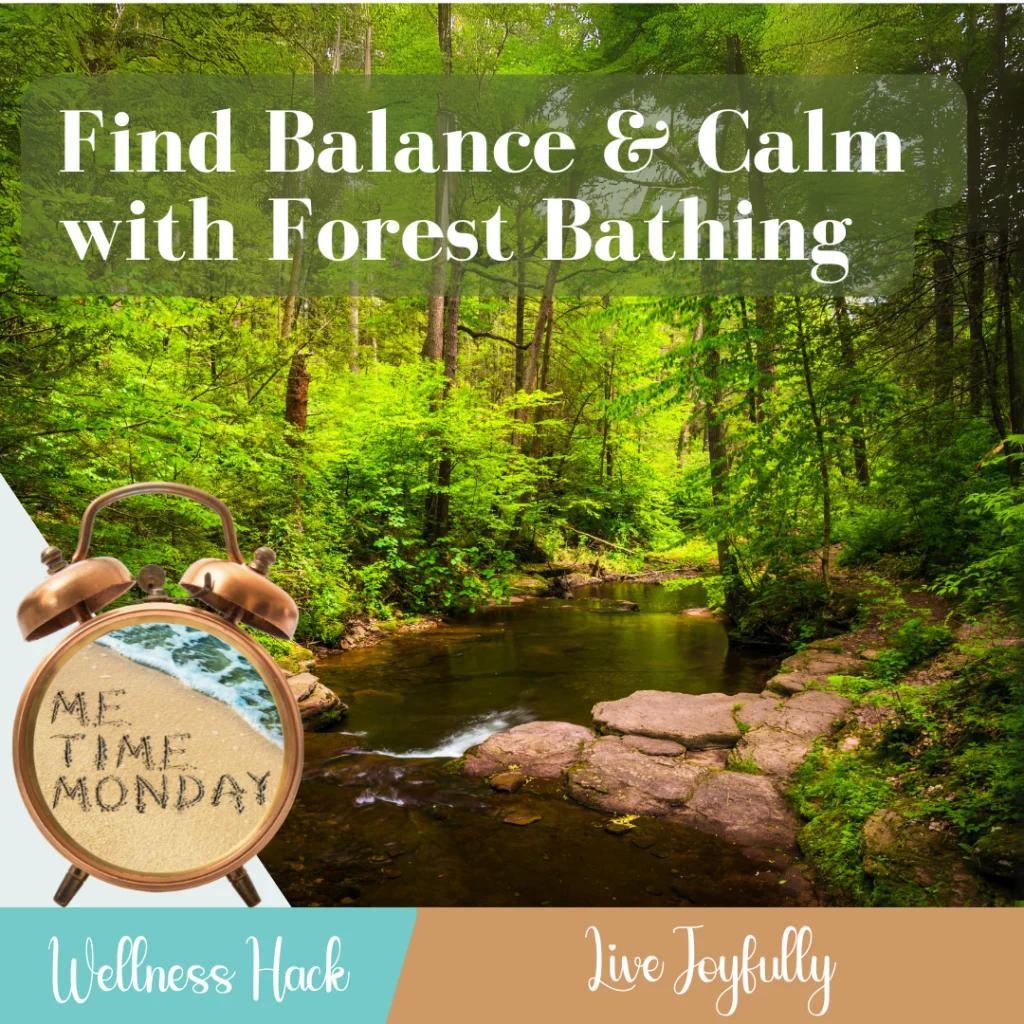
As April arrives, so does Stress Awareness Month—a vital reminder for the millions of individuals navigating the complexities of the "Sandwich Generation." Caught between the demands of raising children and the increasing responsibilities of caring for aging parents, these caregivers often find their own well-being sidelined. However, scientific evidence suggests that one does not need hours of free time to achieve a meaningful reduction in cortisol levels. According to principles detailed in the book ME TIME MONDAY, longevity and brain health are intrinsically linked to the intentional engagement of our five senses. By dedicating just seven minutes a day to targeted sensory hacks, caregivers can reclaim their mental equilibrium.
The Neuroscience of Sensory Self-Care
The premise of seven-minute self-care is rooted in the body’s physiological response to its environment. When caregivers are in a constant state of "fight or flight," the brain struggles to process information effectively, leading to cognitive fatigue and increased inflammatory responses. By engaging the senses—sight, sound, touch, taste, and smell—we can trigger the parasympathetic nervous system, effectively "hacking" our stress response. This article explores how specific observances throughout April serve as perfect vehicles for these brief, restorative interventions.
Chronology of April: A Month of Mindful Restoration
April 1: National Walking Day – Visual Grounding
National Walking Day provides an ideal opportunity to practice "visual grounding." Instead of walking for exercise in the traditional sense, caregivers are encouraged to walk with the specific intention of observation.

The Hack: Spend seven minutes walking outside, but consciously ignore your feet. Focus entirely on your vision. Name the colors, the movement of the leaves, or the architecture of your surroundings. Research indicates that just seven minutes of nature immersion is physiologically equivalent to twenty minutes on a treadmill in an indoor gym. This practice not only alleviates psychological stress but also lowers oxidative stress, which is a primary driver of systemic inflammation in aging bodies.
April: National Humor Month – The Social Wellness Muscle
Laughter is not merely a social lubricant; it is an ancient biological bonding mechanism. Engaging in genuine, belly-shaking laughter with a friend triggers the release of oxytocin, often referred to as the "bonding hormone."
The Science: The Harvard Adult Development Study, which has tracked participants for over 85 years, identifies the quality of interpersonal relationships as the single most significant predictor of long-term health and happiness. For the overwhelmed caregiver, a seven-minute phone call or a brief coffee break that results in shared laughter is not a waste of time—it is a vital health investment.

April: National Healthy Home Month – Nutritional Eye Health
The color green has been proven to trigger feelings of safety and abundance in the human brain, largely due to evolutionary associations with food sources. Furthermore, it is the color most easily perceived by aging eyes.
The Hack: Incorporate avocados—a botanical berry—into your diet. Beyond being a healthy fat source, avocados contain lutein and zeaxanthin, which are critical for eye health. These compounds act as a protective shield against the high-energy blue light emitted by the digital devices caregivers use to manage schedules and medical portals. Keeping a bowl of avocados on the counter serves as "eye candy," offering both a visual mood boost and a quick, nutrient-dense snack.
April 26: National Get Organized Day – Cognitive Clarity
Clutter is more than an aesthetic nuisance; it is a neurological trigger. When our living or working spaces are chaotic, the brain’s amygdala may interpret the disarray as a potential threat or obstacle, leading to a low-grade, persistent stress response.

The Hack: Use April 26 to clear a single "zone" of your environment. By decluttering, you provide the brain with visual breathing room. A clear line of sight reduces the cognitive load required to scan your environment for "danger," allowing the nervous system to shift into a more relaxed, restorative state.
April 30: National Sense of Smell Day – Air Quality and Health
Our environment’s air quality significantly impacts our physiological stress. Research from NASA and other environmental studies suggests that indoor air is often laden with dust and volatile organic compounds (VOCs).
The Hack: Introduce "air-purifying" plants into your home to engage the sense of smell and sight simultaneously. Varieties such as the Areca Palm, Aloe Vera, Bamboo, English Ivy, and the Spider Plant are scientifically validated to filter common indoor toxins. The presence of greenery improves indoor air quality, which directly correlates to better sleep quality and reduced respiratory stress for caregivers who spend a significant portion of their time indoors.

Supporting Data: Why Seven Minutes Matters
The "Seven-Minute Rule" is not arbitrary. It is based on the concept of "micro-breaks." Studies in organizational psychology and neurology suggest that the brain undergoes a "reset" when it is removed from a high-stress stimulus for even a brief period. For a caregiver, the inability to find an hour for a yoga class or a gym session often leads to a "give up" mentality. By reframing self-care as a series of seven-minute micro-habits, the barrier to entry is lowered, and the probability of consistent, long-term health adherence increases.
The Harvard Adult Development Study remains the gold standard for this research, confirming that social connections and stress-reduction techniques are more predictive of longevity than almost any other variable, including genetics. When these habits are practiced in nature or through mindful movement, the cumulative effect on the immune system is significant.
Official Perspectives on Caregiver Burnout
Industry experts and psychologists emphasize that "Caregiver Burnout" is a clinical reality that manifests as physical illness. Organizations like the Caregiving Club advocate for the integration of neuroscience into the daily workflow of the Sandwich Generation.

"Finding balance is not about achieving perfection," says industry leadership. "It is about creating sustainable, incremental habits that allow the caregiver to remain resilient." Employers are increasingly taking note, recognizing that supporting caregivers through webinars and workshops—like those focused on Me Time Monday—is an essential component of modern human resources. When caregivers are supported, productivity increases, absenteeism decreases, and long-term health outcomes for both the caregiver and the care-recipient improve.
Implications for the Future of Caregiving
As the population ages, the number of people in the Sandwich Generation will continue to climb. The implications of this demographic shift are vast:
- Public Health: If caregivers do not adopt micro-self-care strategies, the healthcare system faces a surge in secondary patients—the caregivers themselves.
- Economic Stability: Employers must adapt to the reality that their workforce is also a caregiving force. Offering short, actionable stress-reduction tools is a low-cost, high-impact strategy for corporate wellness.
- Brain Longevity: The integration of nature, humor, nutrition, and environmental control into the daily lives of adults is no longer a "luxury." It is a fundamental strategy for preventing cognitive decline and maintaining mental health in a high-pressure environment.
Conclusion: A Path Forward
April serves as a catalyst for change, but the principles of Me Time Monday are designed for year-round application. By acknowledging that your brain requires stimulation and protection, you can transform your caregiving journey from a source of depletion into a sustainable practice.

Whether it is taking a seven-minute "visual walk," sharing a laugh with a friend, or simply cleaning a desk to reduce visual noise, every small action counts. The path to longevity is paved with these small, intentional moments of self-care. For those seeking additional support, resources such as the Caregiving Club YouTube channel offer visual guides—from forest bathing techniques to decluttering tutorials—that make these wellness hacks accessible to anyone, regardless of how busy their schedule may be.
Remember: You cannot pour from an empty cup. By prioritizing your own neuro-health through these seven-minute hacks, you are not just taking care of yourself—you are ensuring that you have the capacity to continue caring for those who depend on you.