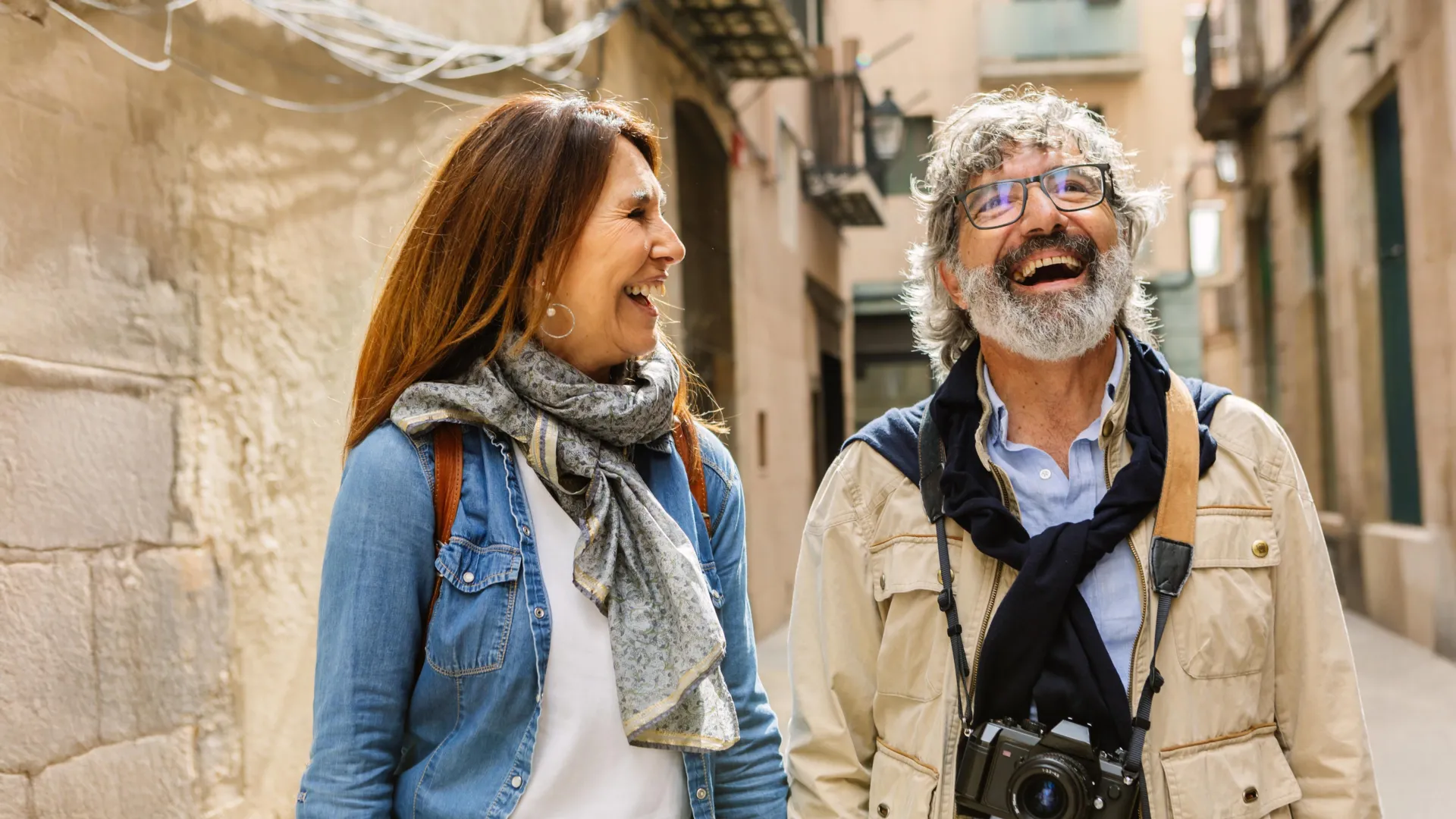
For decades, the multi-billion-dollar anti-aging industry has been dominated by topical retinoids, collagen-infused serums, and restrictive dietary protocols. While these external interventions target the surface, a revolutionary new perspective from Edith Cowan University (ECU) suggests that the secret to slowing the aging process might not be found in a bottle, but in a suitcase.
In a landmark interdisciplinary study published in the Journal of Travel Research, researchers have applied the physics-based theory of entropy to the realm of tourism. The findings suggest that positive, well-planned travel experiences act as more than just a reprieve from the daily grind; they may function as a biological intervention, helping the body maintain systemic balance, bolster self-repair mechanisms, and effectively "slow the clock" on physiological decline.
The Entropy Framework: Defining the Aging Process
To understand the study’s implications, one must first grasp the concept of entropy. In physics, entropy is the measure of disorder within a system. As time passes, the universe—and everything within it—tends to move toward a state of chaos and decay. In the context of human biology, aging is essentially the accumulation of this "disorder," where the body’s ability to repair itself, regulate hormones, and defend against environmental stressors begins to falter.
ECU PhD candidate and lead researcher Ms. Fangli Hu posits that tourism can influence this "drift" toward disorder. "Aging, as a process, is irreversible," says Hu. "While it cannot be stopped, it can be slowed down." By placing the human body in novel environments that encourage movement, social engagement, and positive emotional states, travel acts as a counterbalance to the wear and tear of routine life.
When a person travels under the right conditions, they are not merely observing new sights; they are subjecting their biological systems to a "constructive" form of stress. This stimuli forces the body to adapt, thereby maintaining a state of low entropy—a state of high organization, resilience, and vitality.
Chronology of the Research: A New Field Emerges
The shift toward viewing tourism as a clinical health intervention began in earnest in 2024, when the ECU team first published their theoretical framework. This was not a sudden discovery, but the culmination of years of observation in the fields of wellness, medical, and yoga tourism.
- 2024 (Initial Framework): The Journal of Travel Research published the inaugural paper applying entropy theory to tourism. It established the hypothesis that positive travel environments could help the body sustain self-organizing processes.
- Early 2025 (Refining the Scope): A research note by Hu and colleagues further refined the concept of "travel therapy," identifying it as an emerging health approach. Crucially, this work emphasized the necessity of weighing benefits against inherent travel risks.
- Mid-2025 (Interdisciplinary Integration): A subsequent paper called for a formal marriage between travel medicine and the tourism industry. This acknowledged that for travel to be "therapeutic," the industry must address issues like preventive care and the physical risks associated with global mobility.
- Late 2025 (Systematic Review): A comprehensive review confirmed that while "healthy aging via tourism" is becoming a legitimate interdisciplinary research area, it remains in its infancy. Researchers have called for stronger methodologies to quantify exactly how much "travel dosage" is required to trigger meaningful biological repair.
The Mechanics of "Travel Therapy": How the Body Responds
The study identifies four primary body systems that benefit from the "entropy-lowering" effects of travel. When a traveler enters a new environment, they initiate a cascade of positive physiological responses.
1. The Adaptive Immune System
Unfamiliar environments—provided they are safe—act as mild stressors that prompt the immune system to sharpen its recognition capabilities. By encountering new stimuli, the body’s "self-defense" system becomes more resilient, better equipped to identify and respond to external threats.
2. Hormonal Regulation and Tissue Repair
Positive travel experiences are associated with the release of hormones that facilitate tissue repair. Relaxation, combined with the novelty of a new location, creates a chemical environment in the body that supports regeneration. When stress levels drop, the body moves out of a "fight-or-flight" state, allowing it to dedicate energy toward repairing cellular damage.
3. Metabolic Optimization
Travel is rarely sedentary. Even the most relaxed vacationer typically walks more, climbs stairs, or engages in light activity more frequently than they would in a standard office-bound work week. This increased physical activity improves blood circulation, accelerates nutrient transport to tissues, and aids in the elimination of metabolic waste—all of which are essential for long-term health.
4. Psychological Resilience
Mental health is inextricably linked to physical aging. The chronic stress of modern life is a major driver of "biological aging," leading to inflammation and cellular decline. By providing a break from routine, travel reduces chronic stress, effectively "resetting" the nervous system.
Supporting Data: Moving Beyond the "Vacation High"
The researchers are careful to distinguish between a fleeting "vacation high" and the long-term health benefits of travel therapy. The science hinges on the quality of the experience.
Physical activity is a key differentiator. The study emphasizes that the benefits of travel are compounded when the trip involves movement. Hiking, cycling, and city exploration promote bone density, muscle tone, and joint flexibility. This "active" tourism helps maintain the body’s anti-wear-and-tear systems.
"Participating in these activities could enhance the body’s immune function and self-defense capabilities," says Ms. Hu. "Physical exercise improves blood circulation and helps the body maintain an active self-healing system." The integration of moderate exercise into a travel itinerary transforms a vacation into a targeted health intervention.
The "Double-Edged Sword": Managing Travel Risks
The researchers are quick to inject a note of caution. Not all travel is created equal. The very nature of travel—exposing oneself to the unknown—carries inherent dangers that can increase entropy rather than decrease it.
"Tourism can involve negative experiences that potentially lead to health problems, paralleling the process of promoting entropy increase," Hu notes. A prime example is the COVID-19 pandemic, where the global movement of people facilitated the spread of a pathogen, leading to a worldwide increase in biological disorder and public health crises.
Risks such as infectious diseases, accidents, poor-quality food and water, and the high stress of chaotic, poorly planned itineraries can lead to rapid physical decline. For travel to act as a fountain of youth, it must be:
- Restorative: Providing genuine rest and mental decompression.
- Safe: Mitigating risks through proper planning and health precautions.
- Active: Balancing relaxation with physical movement.
- Socially Positive: Fostering human connection, which is a known predictor of longevity.
Implications: A New Mandate for Tourism and Medicine
The implications of this research are profound. If travel is indeed a legitimate tool for slowing the aging process, then the travel industry may soon find itself partnering with healthcare providers. We could see the rise of "prescriptive tourism," where health practitioners recommend specific types of travel—or even specific destinations—as part of a patient’s preventive care plan.
Furthermore, this research challenges the traditional boundaries of healthcare. If "well-being" is not just the absence of disease but the active management of biological entropy, then how we spend our time off becomes a matter of public health.
The Future Research Agenda
While the early findings are promising, the scientific community is calling for more rigorous, longitudinal studies. We need to understand:
- The Dosage Effect: How long does a trip need to be to provide lasting physiological benefits?
- Individual Variance: Who benefits the most from travel therapy? Are there specific age groups or health profiles that see the greatest "anti-aging" returns?
- Sustainability: How can the travel industry ensure that the act of traveling remains accessible and healthy without causing harm to the traveler or the environment?
Conclusion
The study by Edith Cowan University offers a compelling, science-backed reason to renew your passport. While it does not promise immortality, it provides a fascinating new framework for understanding the connection between our external environment and our internal biology.
By viewing travel as a deliberate, restorative, and active intervention, we can potentially mitigate the slow creep of biological entropy. In an age where we are constantly looking for the next medical breakthrough, it is refreshing to consider that one of the most effective anti-aging treatments might be found simply by stepping out the door and engaging with the world. Whether it is a hike through the mountains or a stroll through a historic city, the evidence suggests that the right kind of travel can help us grow older—not just with more memories, but with more vitality.