For billions of people across the globe, the day does not truly begin until the first cup of coffee is poured. It is a ritual as much as it is a physiological necessity, with the average person consuming nearly two kilograms of coffee beans annually. Our devotion to the brew is deep-seated, driven by specific preferences for blends, roasting profiles, and preparation methods. Yet, beneath the aroma and the caffeine-fueled productivity lies a complex biological interplay.
The way we experience coffee—the "jitters," the alertness, and the lingering energy—is not merely a matter of habit; it is a manifestation of our unique genetic makeup. Scientific research confirms that our internal reward systems and the specific enzymes responsible for caffeine metabolism are hardwired, dictating everything from how many cups we can tolerate to whether we reach for a third espresso by mid-afternoon. However, as our consumption habits evolve, so does the scrutiny surrounding coffee’s impact on one of the most critical markers of health: blood pressure.
Understanding the Mechanics: What is Hypertension?
To understand how coffee interacts with our cardiovascular system, we must first define the baseline. Blood pressure is the measurement of the force exerted by circulating blood against the walls of our arteries as the heart pumps. It is recorded using two distinct values: systolic (the pressure when the heart beats) and diastolic (the pressure when the heart rests between beats).
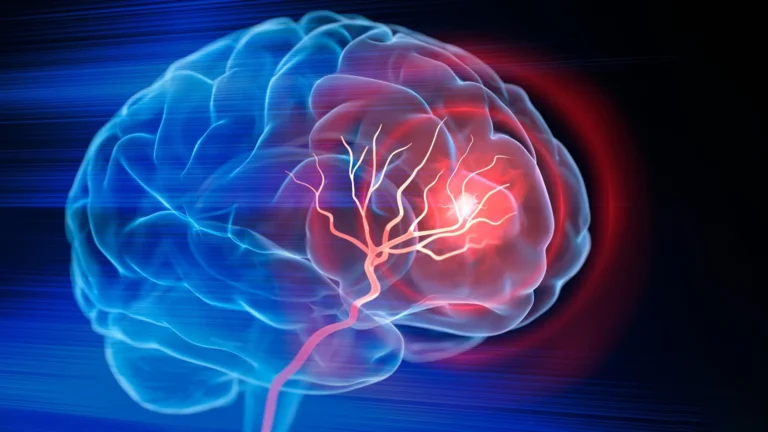
A healthy reading is generally defined as being below 120/80 mm Hg. Once these numbers consistently climb to 140/90 mm Hg or higher, the medical community classifies the condition as hypertension. The urgency in diagnosing this condition stems from its status as a "silent killer." Hypertension rarely presents with overt symptoms, yet if left unmanaged, it acts as a silent catalyst for catastrophic events, including heart attacks, strokes, and the progressive degradation of kidney function.
Current epidemiological data paints a sobering picture: approximately 31% of the global adult population lives with hypertension. Perhaps more concerning is that half of these individuals remain entirely unaware of their status. Even among those who have been diagnosed and are actively taking medication, nearly 47% fail to maintain their blood pressure within the target range, underscoring a significant gap in clinical management and lifestyle awareness.
The Physiological Surge: How Caffeine Affects the Body
Caffeine is, by its very nature, a potent muscle stimulant. Upon ingestion, it initiates a cascade of physiological responses. It acts as an antagonist to adenosine receptors in the brain, effectively blocking the signals of fatigue, but its impact on the cardiovascular system is more direct.
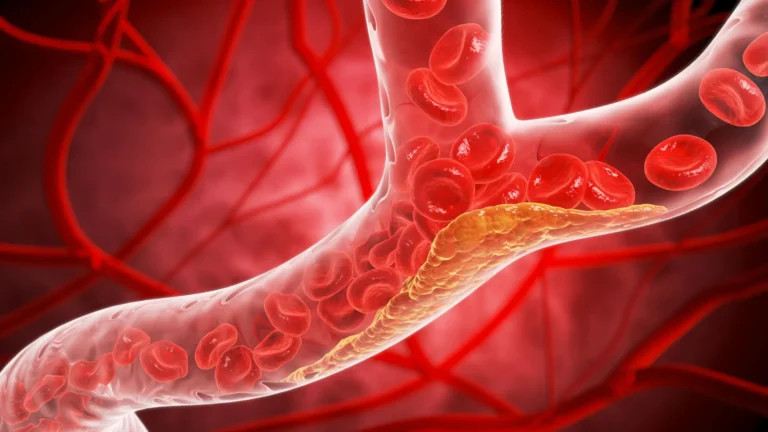
When caffeine enters the bloodstream, it stimulates the adrenal glands to release adrenaline—the body’s "fight or flight" hormone. This surge triggers two immediate cardiovascular reactions: the heart rate increases, and the blood vessels undergo constriction. These two factors combine to cause a temporary spike in blood pressure.
The Metabolism Timeline
The impact of a cup of coffee is not immediate, nor is it permanent. Blood caffeine levels typically peak between 30 minutes and two hours after consumption. From there, the body begins the process of elimination. The "half-life" of caffeine—the time it takes for the concentration in the blood to be reduced by 50%—ranges from three to six hours.
This variability is not random; it is dictated by three primary factors:
- Age: Younger individuals, particularly children, lack the fully mature liver enzymes required to break down caffeine efficiently.
- Genetics: Individuals are categorized as either "fast" or "slow" metabolizers based on specific variations in their cytochrome P450 enzymes.
- Habituation: Regular coffee drinkers develop a tolerance, allowing their systems to clear caffeine more rapidly than those who consume it sporadically.
Research indicates that a single cup of coffee can lead to a systolic blood pressure increase of 3–15 mm Hg and a diastolic increase of 4–13 mm Hg. For a healthy individual, this transient rise is usually negligible. However, for those with pre-existing hypertension or underlying cardiac conditions, these spikes warrant careful observation and consultation with a healthcare professional.

Beyond Caffeine: The Phytochemical Paradox
It would be a mistake to view coffee solely through the lens of caffeine. Coffee is a chemically diverse beverage containing hundreds of unique phytochemicals—compounds that contribute not only to the flavor and aroma we crave but also to complex health outcomes.
Recent investigations into these compounds have revealed surprising protective mechanisms. For instance, melanoidins, which are produced during the roasting process, have been shown to influence the body’s fluid volume and modulate the activity of enzymes that regulate blood pressure.
Furthermore, quinic acid, a prominent phytochemical in coffee, has demonstrated a capacity to improve the health of the vascular endothelium—the lining of the blood vessels. By enhancing the elasticity of these vessels, quinic acid may allow the circulatory system to better accommodate the temporary rises in pressure associated with caffeine intake, potentially mitigating the long-term impact on the heart.
The Longitudinal Evidence: Does Coffee Cause Hypertension?
For years, patients have been advised to curb their coffee intake to protect their heart health. However, recent large-scale meta-analyses suggest that the relationship is far more nuanced than previously thought.
In a landmark review involving 13 studies and 315,000 participants, researchers examined whether habitual coffee consumption was a precursor to developing clinical hypertension. During the follow-up periods, 64,650 participants developed the condition. The researchers concluded that, statistically, coffee consumption was not associated with an increased risk of developing hypertension. Whether the data was segmented by gender, the amount of coffee consumed, or even the type of coffee (caffeinated vs. decaffeinated), the result remained consistent: coffee was not a causative agent for high blood pressure.
The Japanese Study: A Crucial Distinction
While coffee may not cause hypertension, the story changes for those who already suffer from severe forms of the condition. A significant Japanese study followed 18,000 adults aged 40 to 79 for nearly 19 years. The researchers identified a critical subgroup: those with "grade 2-3 hypertension" (systolic blood pressure of 160+ or diastolic of 100+).
Among this specific group, those who consumed two or more cups of coffee per day faced double the risk of cardiovascular death compared to non-drinkers. Notably, this association was absent in those with normal blood pressure or mild (grade 1) hypertension. This suggests that the risk is not in the coffee itself, but in how a severely compromised cardiovascular system handles the physiological stress of caffeine.
Clinical Implications and Recommendations
The current consensus among cardiologists is one of moderation rather than prohibition. The evidence suggests that for the vast majority of the population, coffee is a safe, and perhaps even beneficial, addition to a healthy lifestyle. However, specific precautions are necessary for high-risk individuals.
The "Bottom Line" for Consumers:
- Know Your Numbers: The most effective way to manage your health is to monitor your blood pressure regularly. If you do not know your baseline, you cannot understand how coffee affects you.
- Monitor Your Reaction: If you are a sporadic coffee drinker, be aware that your body will experience a more pronounced blood pressure spike than a regular, habituated drinker.
- Consult Your Physician: If you have been diagnosed with stage 2 hypertension (160/100 or higher), it is essential to discuss your caffeine intake with a doctor. They may suggest a limit on daily cups or recommend switching to decaffeinated options.
- Lifestyle Synergy: Coffee is one of many variables. Its impact on blood pressure is minimal compared to the effects of sodium intake, regular exercise, and stress management. Do not allow a focus on coffee to distract from broader cardiovascular health goals.
Conclusion
The narrative that coffee is inherently detrimental to blood pressure is largely a myth sustained by early, small-scale studies that failed to account for long-term physiological adaptation. While it is true that caffeine can cause a temporary, acute rise in blood pressure, it does not appear to contribute to the development of chronic hypertension in the general population.
For the average adult, the morning cup is not a health risk—it is a manageable, and often enjoyable, part of a daily routine. By understanding how our unique biology processes caffeine and keeping a watchful eye on our clinical blood pressure readings, we can enjoy the complex flavors and stimulating effects of coffee without compromising the integrity of our heart health. Moderation, as in all things, remains the gold standard.