By Editorial Staff
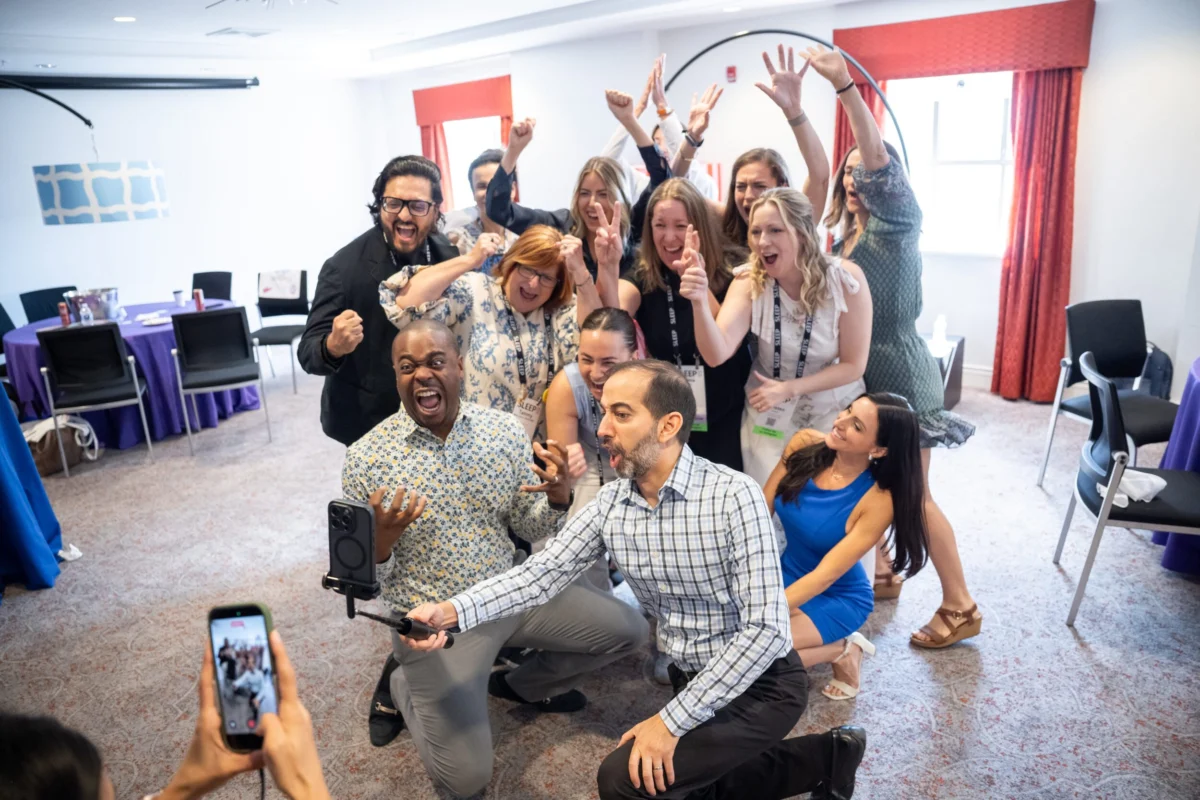
At first glance, the scene at the "Sleepfluencers" networking breakfast held ahead of the SLEEP 2026 conference in Baltimore might appear to be nothing more than a group of friends capturing content for their social media feeds. There are selfies being taken, quick-cut videos being filmed, and the high-energy banter typical of content creators. But look closer, and it becomes clear that this gathering is, in fact, the front line of a modern, high-stakes battle against the epidemic of health misinformation.
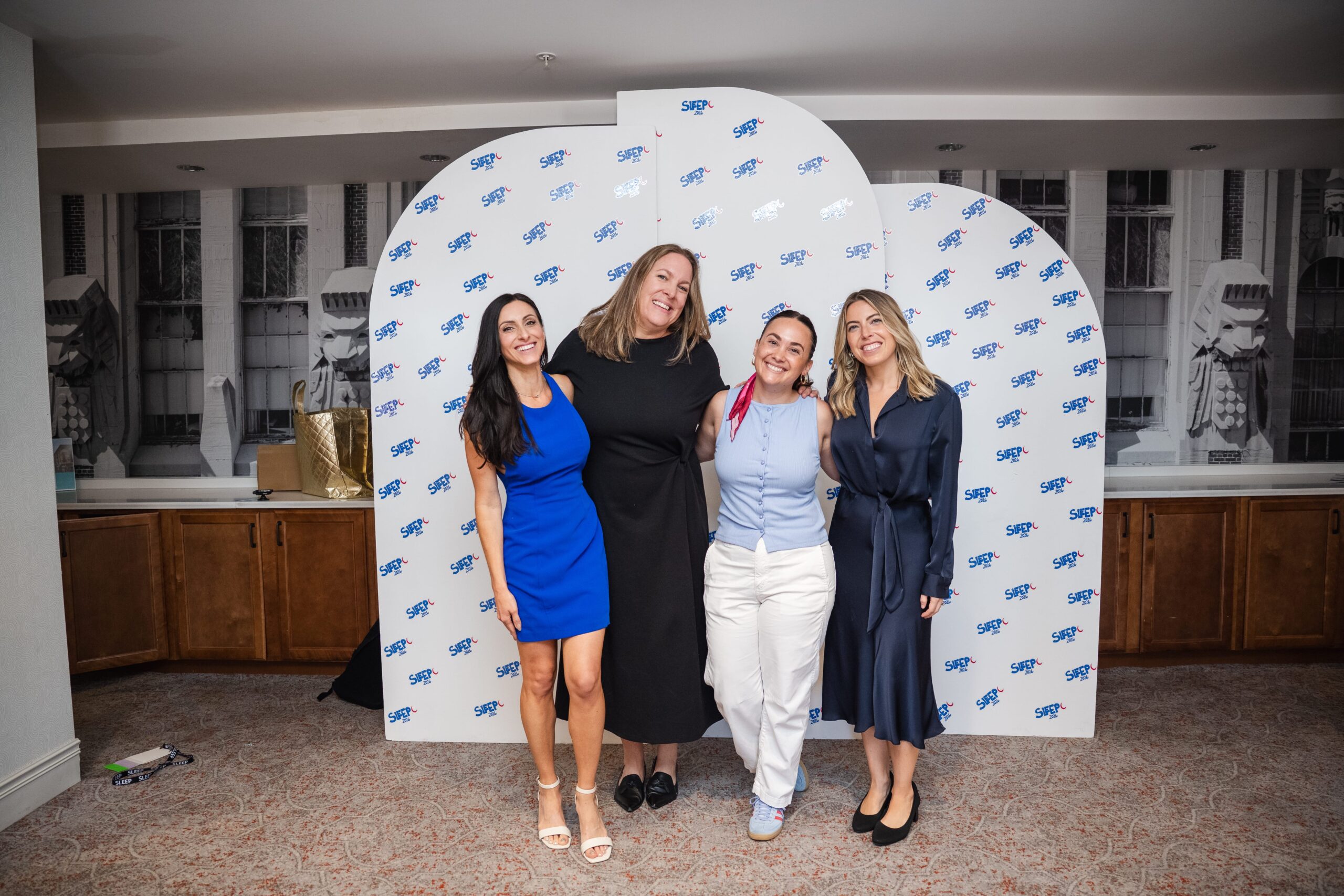
The event, a strategic networking breakfast launched in 2024, serves as a vital bridge between the clinical rigor of sleep medicine and the rapid-fire, highly accessible world of social media. Founded by Teresa Power of Sleep Better NYC, along with co-hosts Mollie Eastman of Sleep Is A Skill and Emma Cooksey of the Sleep Apnea Stories podcast, the initiative seeks to foster collaboration among a diverse coalition of clinicians, researchers, and patient advocates committed to disinfecting the digital ecosystem of dangerous, unscientific sleep "hacks."
The Genesis of a Movement: Bridging the Gap
The necessity for a dedicated "Sleepfluencer" network became painfully evident to Teresa Power during her daily practice. Power noticed a troubling trend among her clients: before ever seeking a professional evaluation or considering evidence-based interventions like Cognitive Behavioral Therapy for Insomnia (CBT-I), individuals were self-medicating with an array of unregulated supplements, unproven mouth-taping techniques, and expensive, ineffective pillows.
"I saw it again and again," Power explains. "People were trying to ‘fix’ their sleep issues with gadgets and social media trends before they even considered sleep apnea testing or seeing a board-certified sleep specialist. Many of them didn’t even realize that sleep medicine was a distinct, recognized medical specialty until they saw a video explaining it on their feed."
The event was designed to address this disconnect by pulling together the brightest minds in the field—those who understand the science—and teaching them how to communicate that science effectively to an audience that is increasingly skeptical of traditional medical authority.
The Data Landscape: Convenience vs. Credibility
The stakes of this mission are backed by sobering data. According to a 2026 report from the Pew Research Center, 36% of Americans now turn to social media for health information, and 22% are utilizing artificial intelligence (AI) chatbots like ChatGPT to troubleshoot their medical concerns.
The danger is twofold: first, the vast majority of social media "health influencers" lack any formal medical training. Second, users are increasingly turning to these non-experts for advice on sensitive topics they feel uncomfortable discussing with their own physicians. When patients prioritize the "convenience" of an algorithm-generated answer over the "accuracy" of a medical professional, they leave themselves vulnerable to delays in diagnosis and improper treatment of serious conditions.
The Big Baby Sleep Debate: Challenging the Myths
One of the most contentious battlegrounds in the online sleep space is pediatric sleep. For years, the internet has been rife with fear-mongering regarding sleep training, often labeling evidence-based techniques as "harmful" to a child’s development.
Dr. Sujay Kansagra, a pediatric neurologist at Duke University and the mind behind the popular Instagram account @thatsleepdoc, is leading the charge to correct this narrative. "Parenting is hard enough without having to navigate inaccurate, emotionally charged messaging on social media," says Dr. Kansagra. "Whatever we can do to get helpful, science-backed information to the public is a win."
Dr. Kansagra, who also invented the Lullabee smart crib mattress, uses the Sleepfluencers event to leverage the reach of other creators. By collaborating with experts like Sarah Petroski, an insomnia and performance specialist, and Dr. Chris Allen, a pediatric neurologist, the group creates a multiplier effect, ensuring that the "science of sleep" is amplified by voices the public already trusts.
Clinical Realities: Why Quality Supersedes Quantity
A common refrain on social media is the "8-hour rule"—the idea that if you simply stay in bed for eight hours, you will achieve optimal health. Dr. Chris Allen, known to his followers as @sleepdrchris, argues that this metric is dangerously incomplete.
"As a sleep doctor, I want my patients to hit that 7-to-9-hour window," Dr. Allen explains. "But it is not just about time in bed. If someone has undiagnosed obstructive sleep apnea, finding the perfect pillow or adjusting their bedtime won’t help. Snoring is not a quirk; it is often a sign of a serious sleep disorder that requires medical intervention, not just a lifestyle tweak."
Emma Cooksey, whose own experience with undiagnosed sleep apnea serves as a cautionary tale, highlights the human cost of this misinformation. "I spent 10 years without a diagnosis," she says. "I was seeing primary care doctors, telling them I was snoring and waking up gasping for air, yet I remained undiagnosed. I was so tired I had to splash water on my face just to survive meetings. If there had been creators back then who were normalizing sleep apnea symptoms rather than pushing ‘sleep hygiene’ products, I might have found help years sooner."
The "Sleepmaxxing" Phenomenon: A Psychological Trap
Perhaps the most pernicious trend currently plaguing social media is "sleepmaxxing"—the obsessive, high-effort pursuit of a "perfect" sleep score. Dr. Shelby Harris, a clinical psychologist specializing in CBT-I and author of The Women’s Guide to Overcoming Insomnia, has become a prominent voice in calling out this trend.
"I constantly see patients who are stressed because their wearable device told them they had a ‘bad’ night," Dr. Harris explains. "That anxiety becomes a self-fulfilling prophecy. The pressure to achieve a perfect score actually reduces sleep quality."
Dr. Harris emphasizes that the goal of therapy is not perfection, but rather the acceptance of natural variability. By using platforms like Instagram to debunk the "hustle culture" of sleep, she provides a necessary counter-narrative to the influencers who monetize the anxiety of their followers.
Industry Collaboration: A New Era of Responsibility
The Sleepfluencers event has also caught the attention of industry giants, including ResMed, who sponsored the gathering. Lindsay McFarland, a content strategist at the company, views social media as an essential tool for public health.
"Social media is where the people are," says McFarland. "If we want to help those living with undiagnosed sleep disorders, we have to meet them on the platforms they use every day. It is a responsibility of the industry to ensure that when people search for sleep health, they are met with accurate, clinical information."
The Path Forward: Why We Must Engage
The skepticism some clinicians feel toward social media is understandable, but the Sleepfluencers collective argues that silence is no longer an option. When the public is being bombarded with misinformation, the medical community cannot simply "bury its head in the sand."
The numbers bear this out: when a group of doctors and patient advocates post a collaborative, evidence-based reel, it can reach hundreds of thousands of people in hours. These creators are not just dancing or posting aesthetic morning routines; they are reclaiming the digital space for science.
As the 2026 conference concludes, the message from the Sleepfluencers is clear: the digital age requires a new kind of doctor—one who is as comfortable in front of a camera as they are in the clinic. By humanizing the science of sleep, this group is ensuring that when someone finally decides to look for help, they don’t find a fad product—they find the truth.
Chronology of the Sleepfluencer Movement
- 2024: Teresa Power, Mollie Eastman, and Emma Cooksey launch the inaugural Sleepfluencers networking event at the SLEEP conference, recognizing the gap between clinical sleep science and digital content.
- 2025: The group expands its coalition, incorporating pediatric specialists and psychologists to address the surge in pediatric sleep misinformation and the rise of "sleepmaxxing."
- 2026 (April): Pew Research Center releases data confirming the heavy reliance on social media and AI for health information, validating the need for the Sleepfluencers’ mission.
- 2026 (July): The Sleepfluencers 2026 gathering sets a record for attendance, marking the first time major industry sponsors have fully integrated with the creator-led initiative.
Implications for the Future
The emergence of this movement suggests a paradigm shift in how medical information will be disseminated in the coming decade. As AI and social media algorithms continue to dictate the health information landscape, the role of the "physician-influencer" will become a cornerstone of public health strategy. The challenge ahead lies in maintaining the balance between high-quality, clinical evidence and the engaging, relatable content that the digital audience demands.
Ultimately, the goal of the Sleepfluencers is not to replace the doctor-patient relationship, but to ensure that the path to that relationship is unobstructed by the noise of modern misinformation. By translating complex sleep medicine into accessible, verified content, they are providing a blueprint for how other medical fields might reclaim the narrative in the age of the internet.